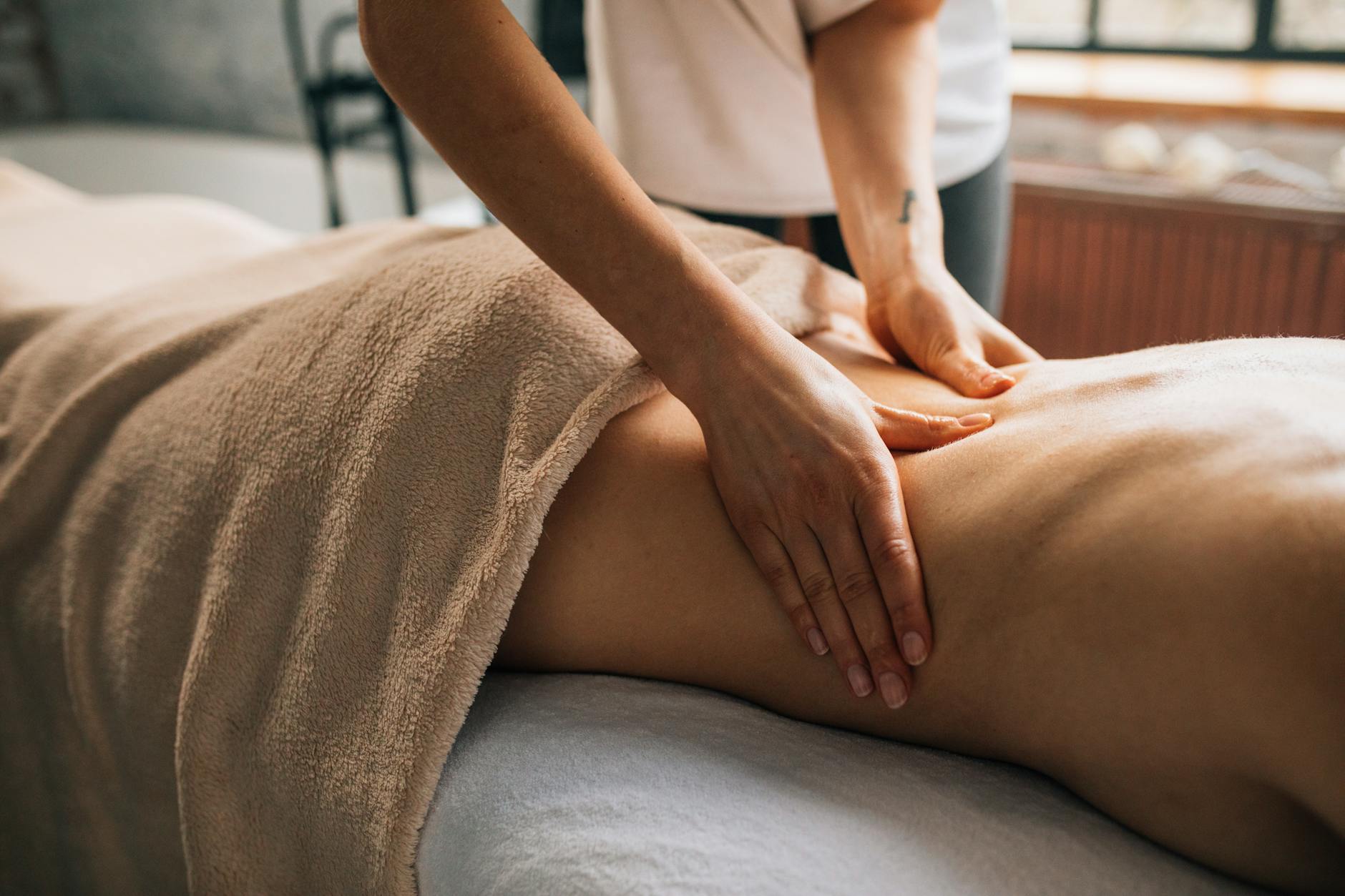
Stress isn't just a mental state, it settles into the body. Tight muscles, clenched jaw, shallow breathing, disturbed sleep: the physical expressions of chronic stress are many, and exhausting.
The body under stress
When we're stressed, the sympathetic nervous system switches on: heart rate rises, muscles contract, breathing becomes shallow. This is the "fight or flight" response, useful in the face of immediate danger.
But when this system stays on all the time, it does damage:
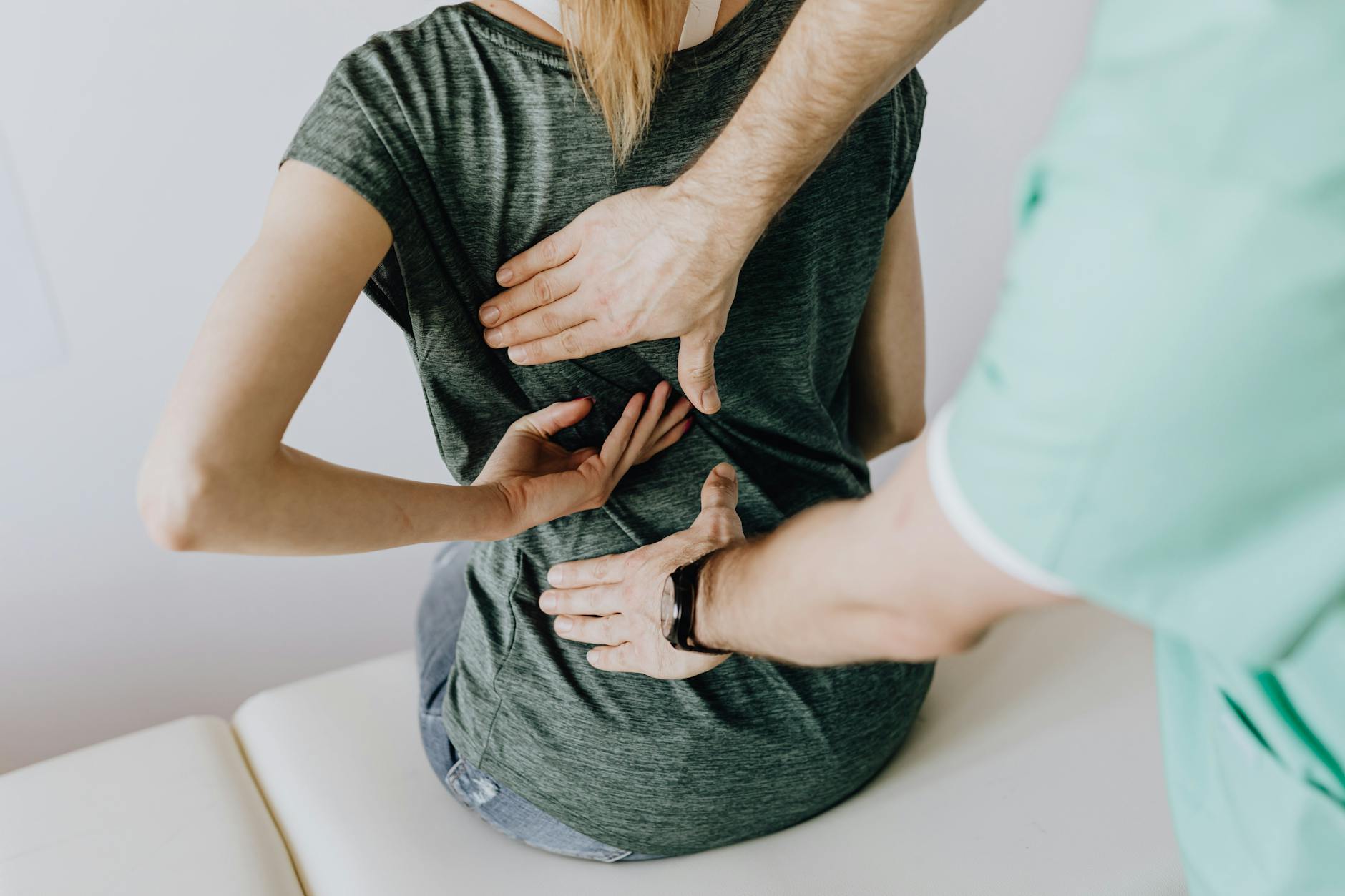
- Muscle tightness, traps, jaw, lower back
- Digestive issues, the enteric nervous system is directly sensitive to stress
- Chronic fatigue, a body on constant alert wears down
- Diffuse pain, fibromyalgia, heightened pain sensitivity
How osteopathy steps in
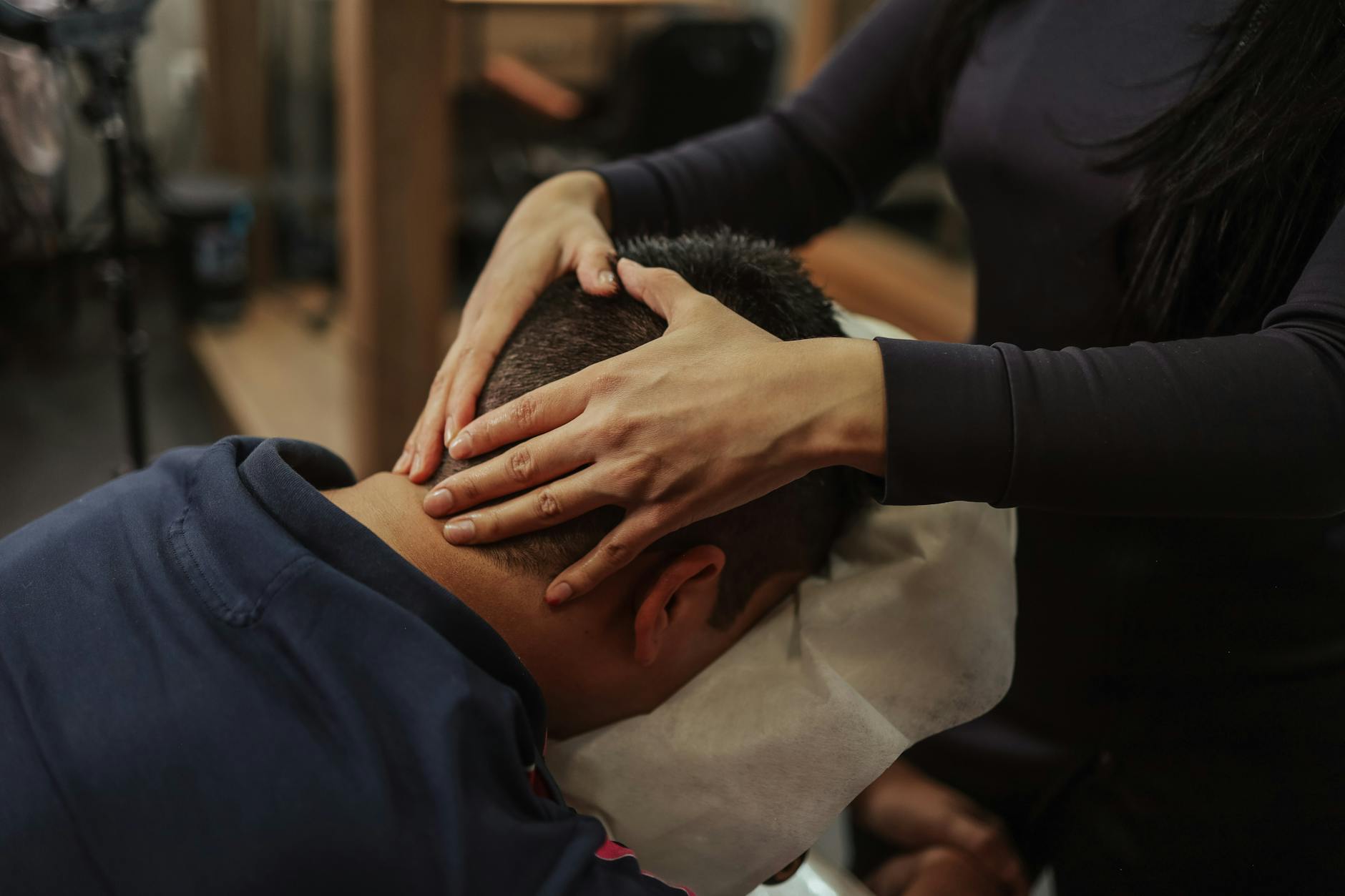
Craniosacral osteopathy is especially effective for stress. It acts on the parasympathetic nervous system, the one in charge of rest and recovery.
By releasing tension in the cranial membranes, the sacrum and the diaphragm, the autonomic nervous system finds its balance again. Many patients fall asleep during the session, a sign the body has tipped into recovery mode.
Work on the diaphragm is also central: restricted breathing sustains the stress state. By freeing this muscle, oxygenation improves and the nervous system calms.
How you feel afterwards
- A sense of lightness and deep calm
- Better sleep quality in the days that follow
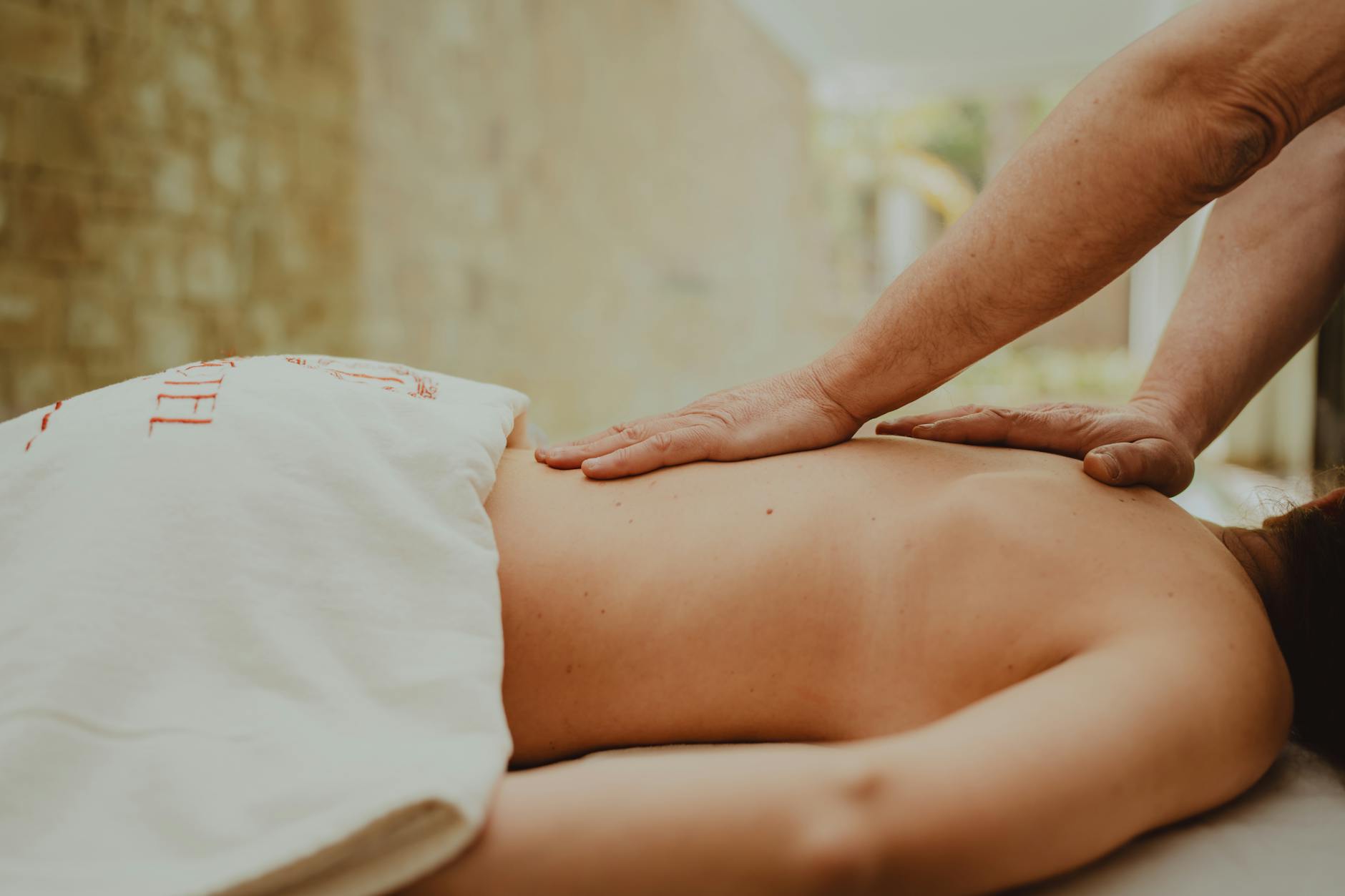
- Less muscular tightness and pain
- Fuller, easier breathing
Complementary tips
An osteopathic session works best alongside lifestyle work:
- Abdominal breathing, 5 minutes in the morning to activate the vagus nerve
- Physical activity, brisk walking is one of the best natural anti-stress tools
- Screen-free time, especially in the hour before bed
Osteopathy doesn't replace psychological support in cases of severe stress, but it's an excellent somatic complement to any stress-management approach.