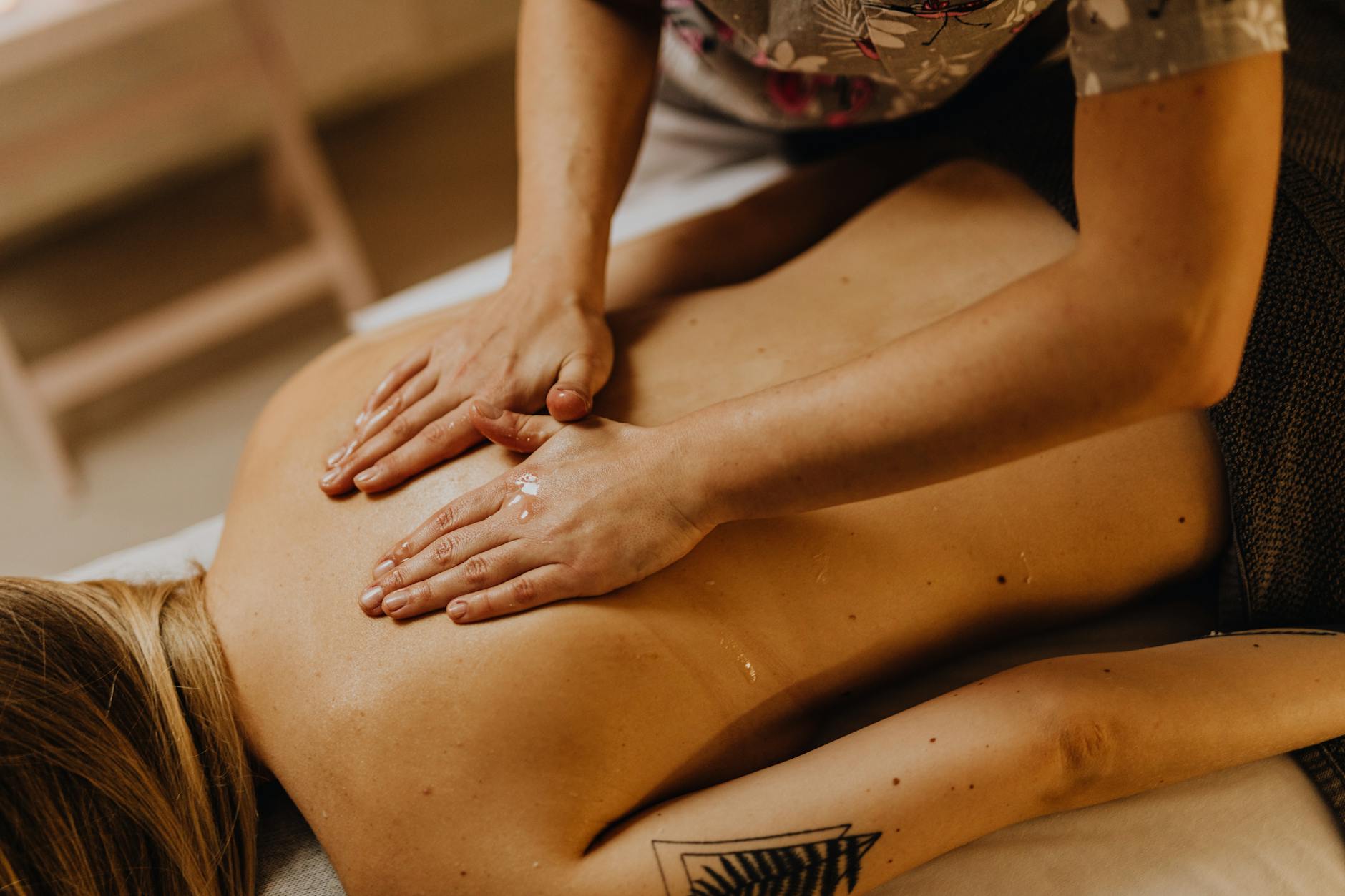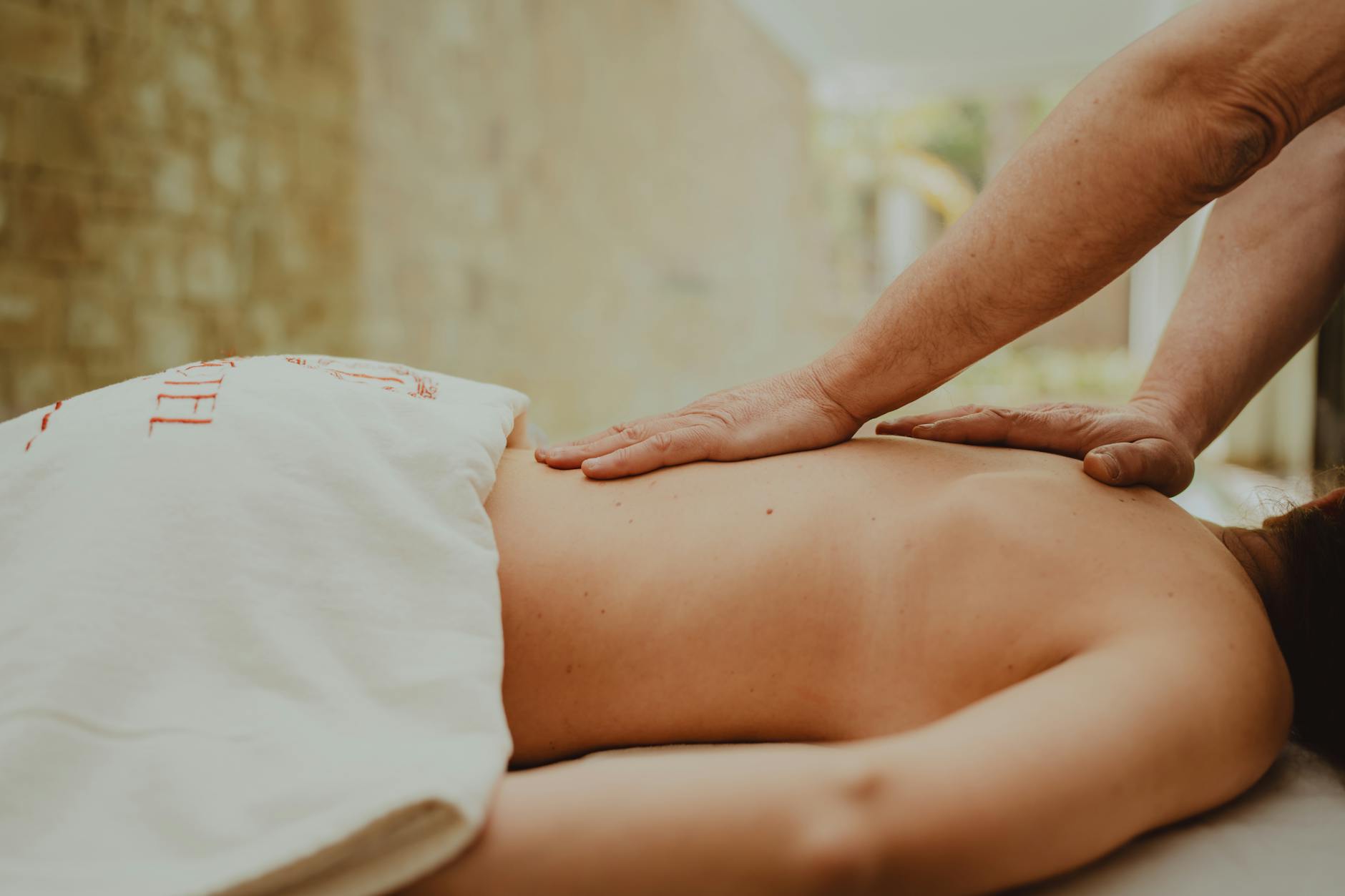
Pregnancy is a time of profound physical transformation. As your body adapts to growing a new life, it can also accumulate tension, discomfort, and structural strain. Prenatal massage is one of the most effective, and most gentle, ways to support your body through this journey.
Is prenatal massage safe?
Yes, when performed by a qualified therapist, prenatal massage is safe throughout pregnancy, including the first trimester, though many therapists prefer to wait until the second trimester as a precaution. The techniques and positioning used are specifically adapted for pregnant women.
The key differences from standard massage:
- Positioning: you lie on your side, supported by cushions, rather than face down or flat on your back. This protects both you and your baby.
- Pressure: moderate, never deep or aggressive, especially around the abdomen and lower back.
- Avoided areas: certain acupressure points (particularly around the ankles and lower leg) are avoided as a precaution.
Prenatal massage is contraindicated in cases of high-risk pregnancy, placenta previa, preeclampsia, or recent blood clots. Always consult your OB/GYN if you have any concerns.
The benefits of prenatal massage
Pain relief, Lower back pain, hip pain, and sciatic nerve discomfort are among the most common pregnancy complaints. As your belly grows, your center of gravity shifts forward, placing increasing strain on the lumbar spine and hips. Massage directly addresses these tension patterns.
Reduced swelling, Fluid retention in the legs and feet is normal during pregnancy, caused by increased pressure on blood vessels. Gentle massage stimulates circulation and lymphatic flow, helping to reduce this swelling.
Better sleep, Many pregnant women struggle with sleep due to physical discomfort. The relaxation induced by massage often leads to improved sleep quality in the days following a session.
Stress and anxiety reduction, Massage lowers cortisol levels and increases serotonin and dopamine, helping to manage the emotional demands of pregnancy.
Headache relief, Tension headaches during pregnancy are often linked to neck stiffness and upper back tension. Massage of the shoulders, neck, and scalp can bring significant relief.
What to expect during a session
At our first meeting, I take a complete health history including your pregnancy history, any complications, and your specific areas of discomfort. This allows me to tailor the session precisely to your needs.
You'll be positioned comfortably on your side, supported by pillows. The session typically lasts 60 minutes. I use gentle, flowing techniques, effleurage and petrissage, focused on the areas of greatest discomfort: lower back, hips, legs, shoulders, and neck.
Many patients fall asleep during the session. The goal is deep relaxation, not remediation.
Prenatal massage and osteopathy
For more significant structural issues, pelvic imbalance, significant sciatica, pubic symphysis pain (SPD), or rib pain, osteopathy can be a powerful complement to massage. Osteopathic techniques gently mobilize joints and release fascial restrictions, helping the body adapt more comfortably to the structural demands of pregnancy.
I often combine massage and osteopathic techniques in a single session, depending on your specific needs.
How often should you come?
During the second and third trimesters, once every 2 to 4 weeks is ideal for maintaining comfort and managing the cumulative physical strain of pregnancy. In the last few weeks before your due date, some patients choose to come weekly.
If you're pregnant and dealing with discomfort, or if you simply want to take care of yourself during this special time, I'd be happy to welcome you at the clinic. Sessions are available Sunday through Friday at 6 Hovevei Tsion, Tel Aviv.