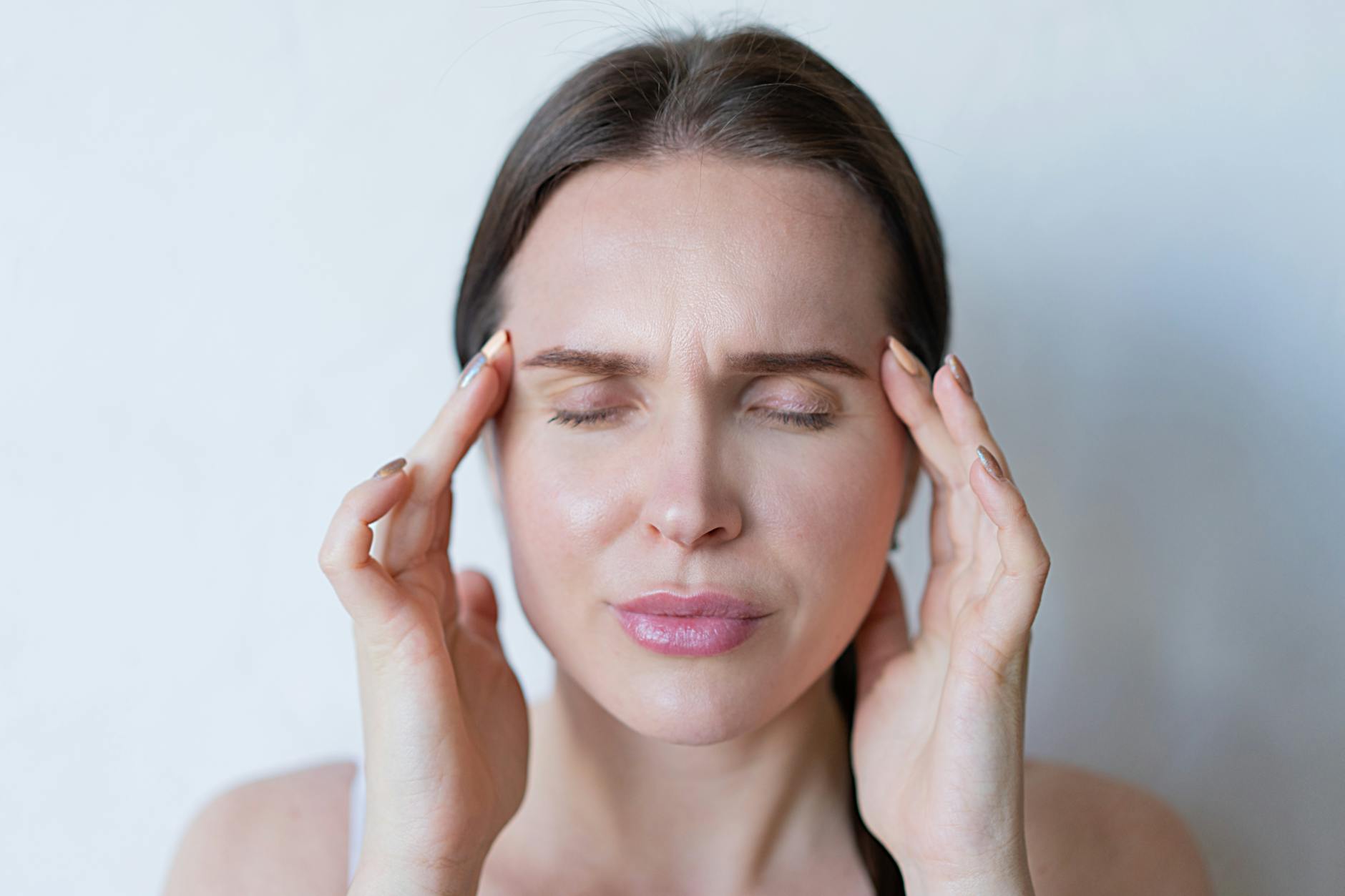
Migraines and headaches are disabling pains that can seriously affect quality of life. Medication can ease them on the day, but it doesn't address the cause. Osteopathy offers a different angle.
Migraine vs. headache, what's the difference?
- Tension headache, diffuse pain, a "band around the head" sensation, linked to stress and muscle tension
- Migraine, throbbing pain, often one-sided, with nausea and light sensitivity
- Cluster headache, intense, brief pain around one eye, often at night
In all of them, neck and cranial tension play a central role.
The link between the neck and migraines
The suboccipital muscles, at the base of the skull, are often at the root of headaches. When tight, they compress nerves and vessels, triggering or amplifying pain.
Posture also matters: a forward-held head (classic with smartphone use) creates a permanent strain on the cervical spine.
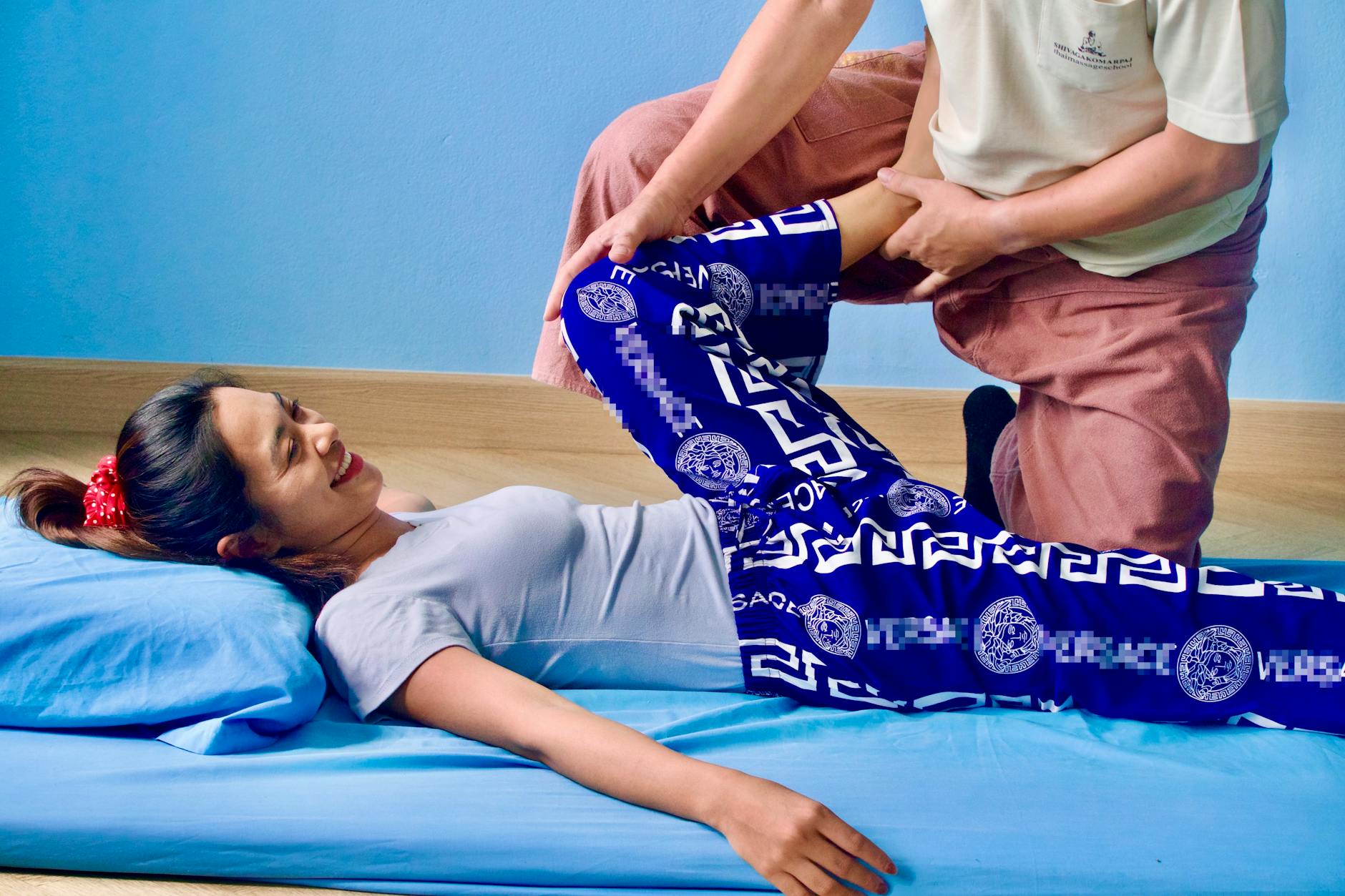
What the osteopath does
In the session I work on several structures:
- The neck, releasing joint restrictions through gentle mobilisation
- The suboccipital muscles, releasing tension via myofascial techniques
- The skull, cranial osteopathy to rebalance the intracranial membranes
- The sacrum, via the craniosacral system, a sacral restriction can influence dural tension
What to expect
Many patients see a drop in the frequency and intensity of attacks from the very first sessions. Results vary depending on how long the headaches have been present and what's driving them.
Practical tips
- Stay hydrated (dehydration is a common trigger)
- Limit screen time
- Keep up gentle, regular physical activity
- Manage stress through breathing or meditation
Osteopathy is particularly effective alongside medical care for chronic migraines.