Craniosacral osteopathy is one of the most subtle branches of osteopathy. Using extremely light pressures, it works with the membranes surrounding the brain and spinal cord, as well as the sacrum, hence the name.
The craniosacral rhythm
Dr William Garner Sutherland, the founder of this approach, observed that the bones of the skull are not fused rigidly but display a subtle rhythmic movement linked to fluctuations in the cerebrospinal fluid (CSF).
This faint motion, 6 to 12 cycles per minute, is transmitted throughout the body via the dural membranes, all the way down to the sacrum. A trained osteopath can feel and influence this rhythm through palpation.
What is it used for?
Craniosacral osteopathy is particularly helpful for:
- Stress and anxiety, regulating the autonomic nervous system
- Headaches and migraines, releasing tension in the intracranial membranes
- Sleep disturbance, rebalancing the parasympathetic system
- Infants, releasing cranial compression after a difficult delivery
- Pregnancy, preparing for birth, releasing pelvic tension
- Burn-out and chronic fatigue, restoring vital energy
What happens in a session?
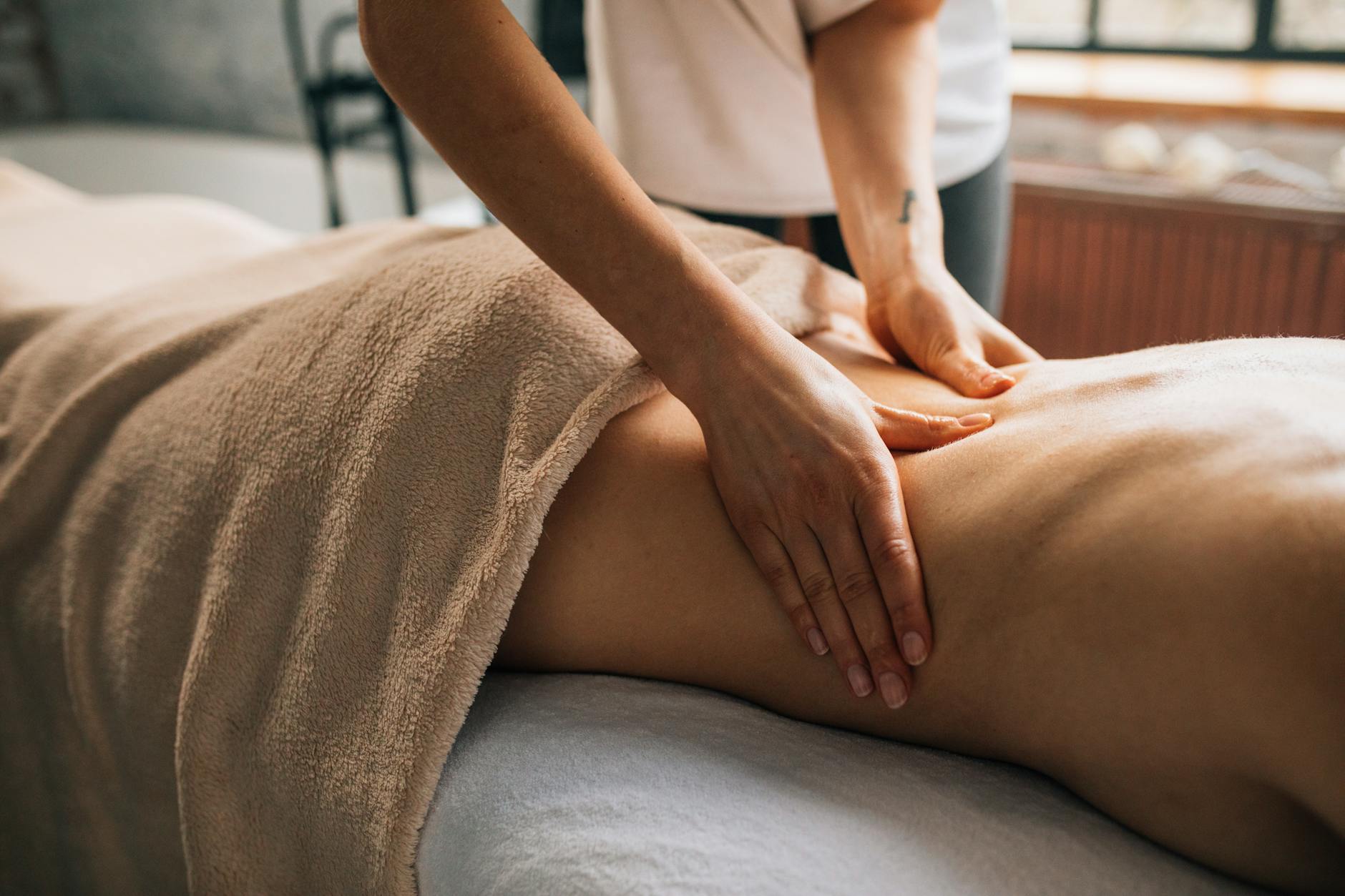
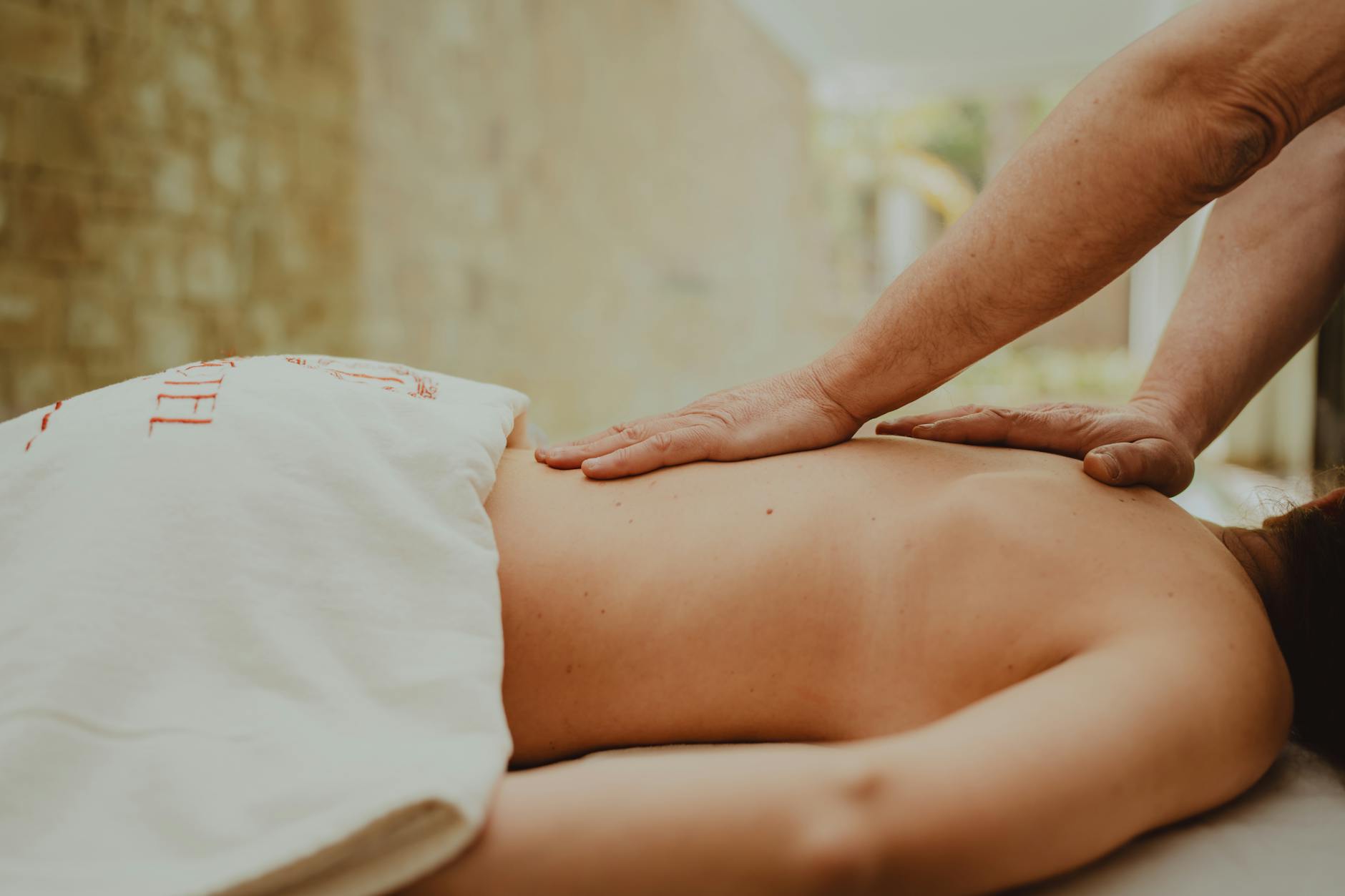
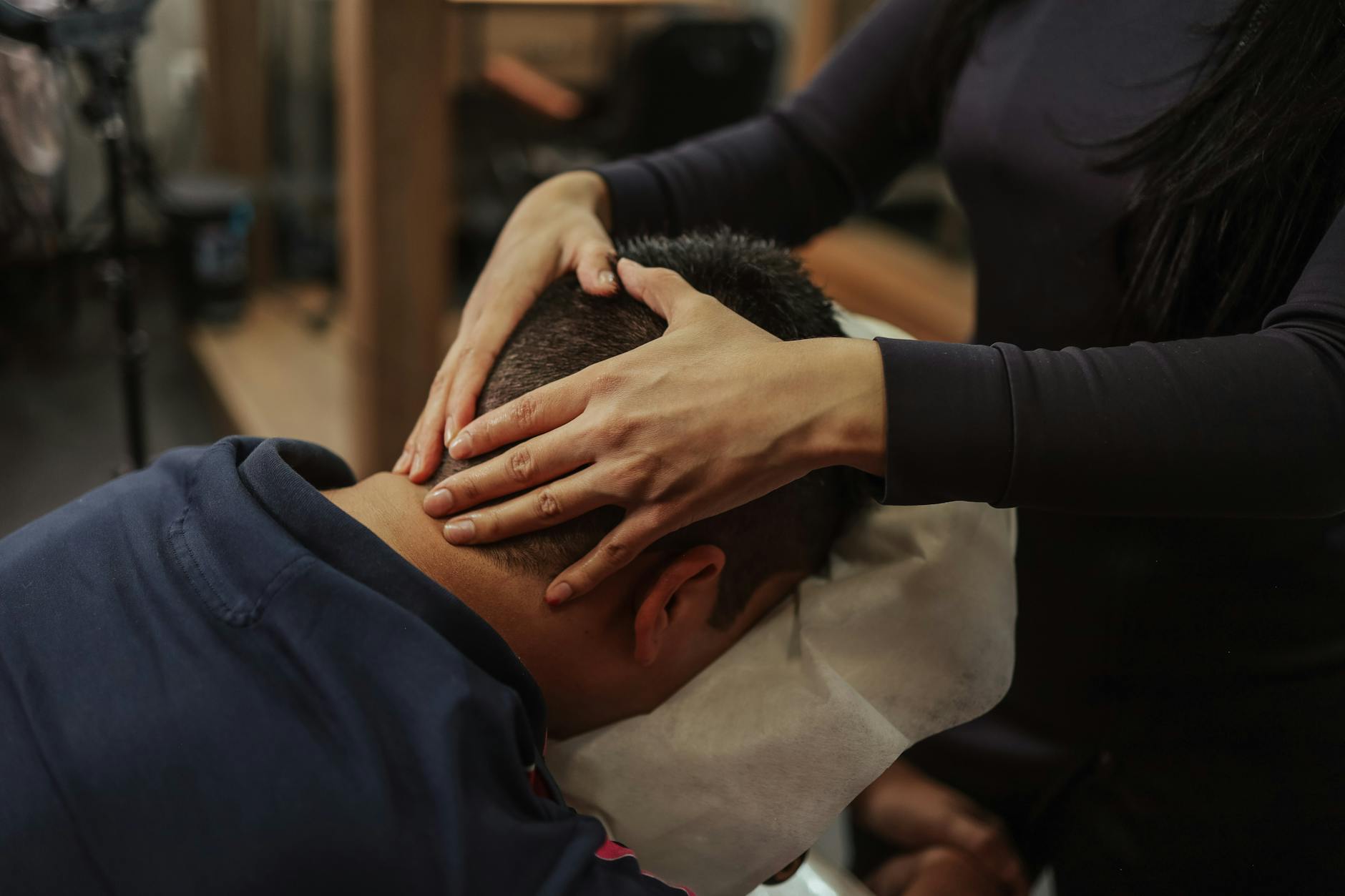
You lie fully clothed on the table. The practitioner's hands rest gently on the skull, sacrum, feet, or other areas as needed. The pressure is so light you could compare it to the weight of a small coin.
Many patients fall asleep during the session, a sign that the nervous system has switched into recovery mode.
An integrative approach
Craniosacral osteopathy doesn't stand in opposition to more structural techniques. It complements them, reaching where conventional manipulation cannot.