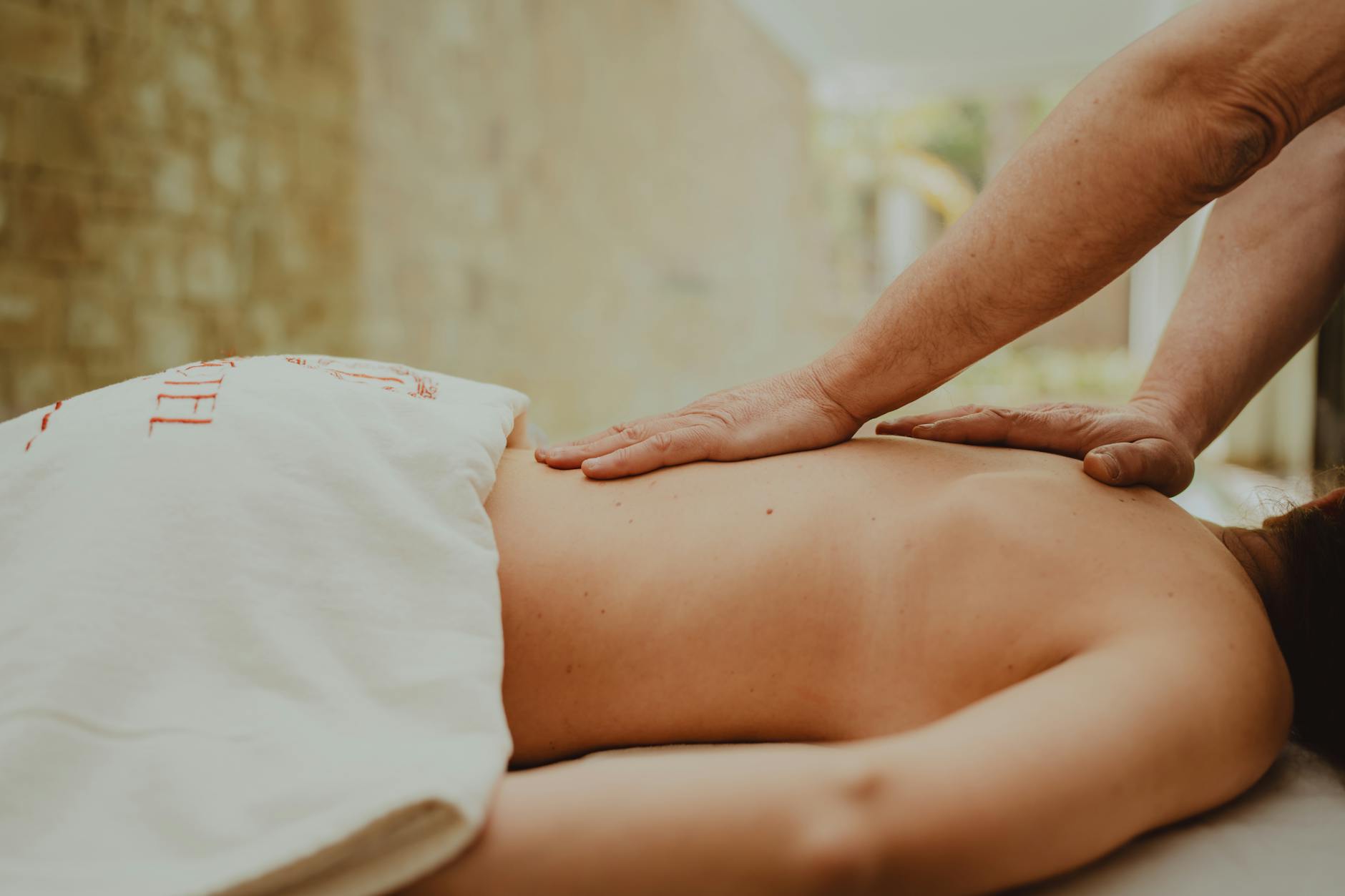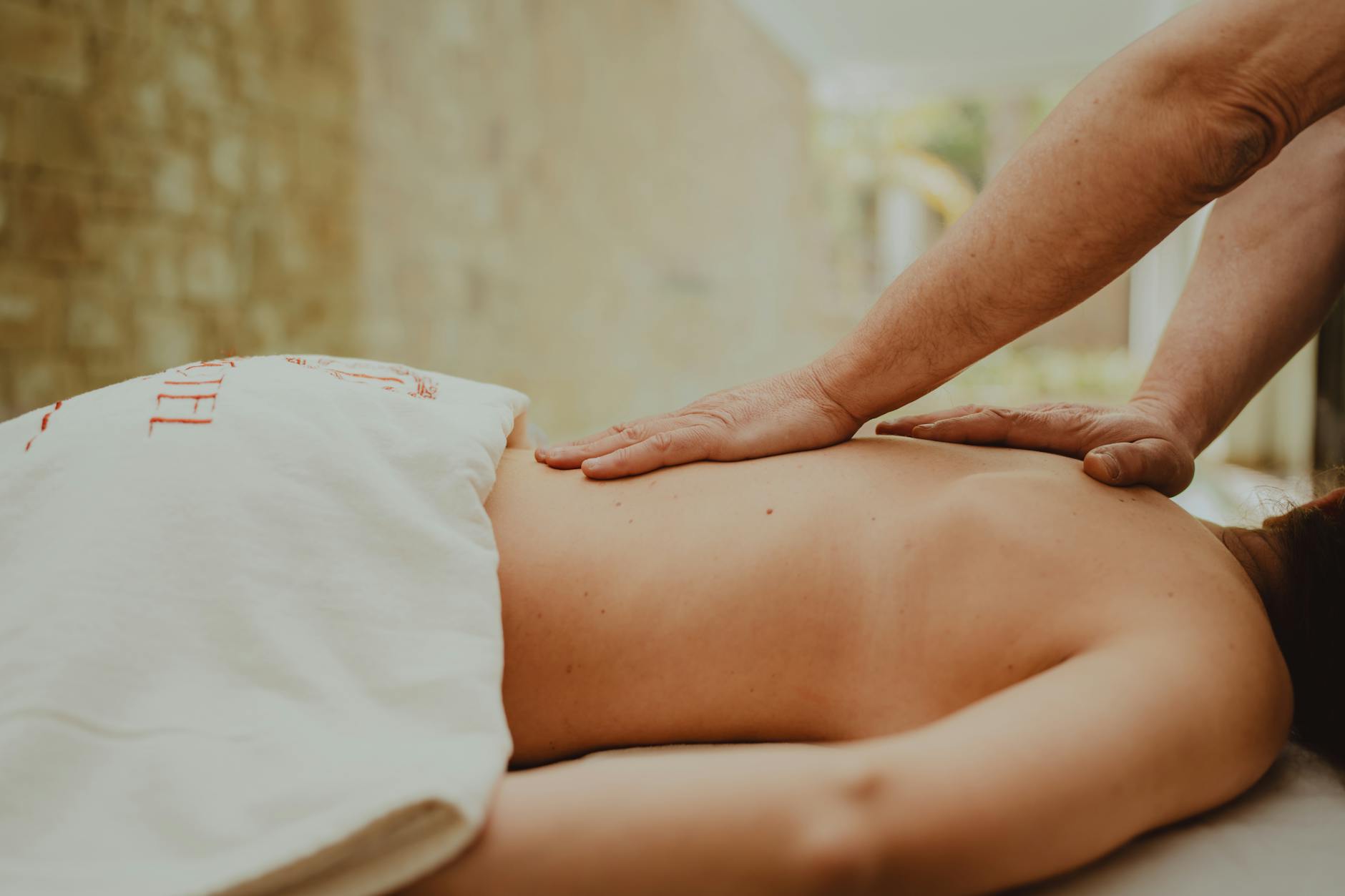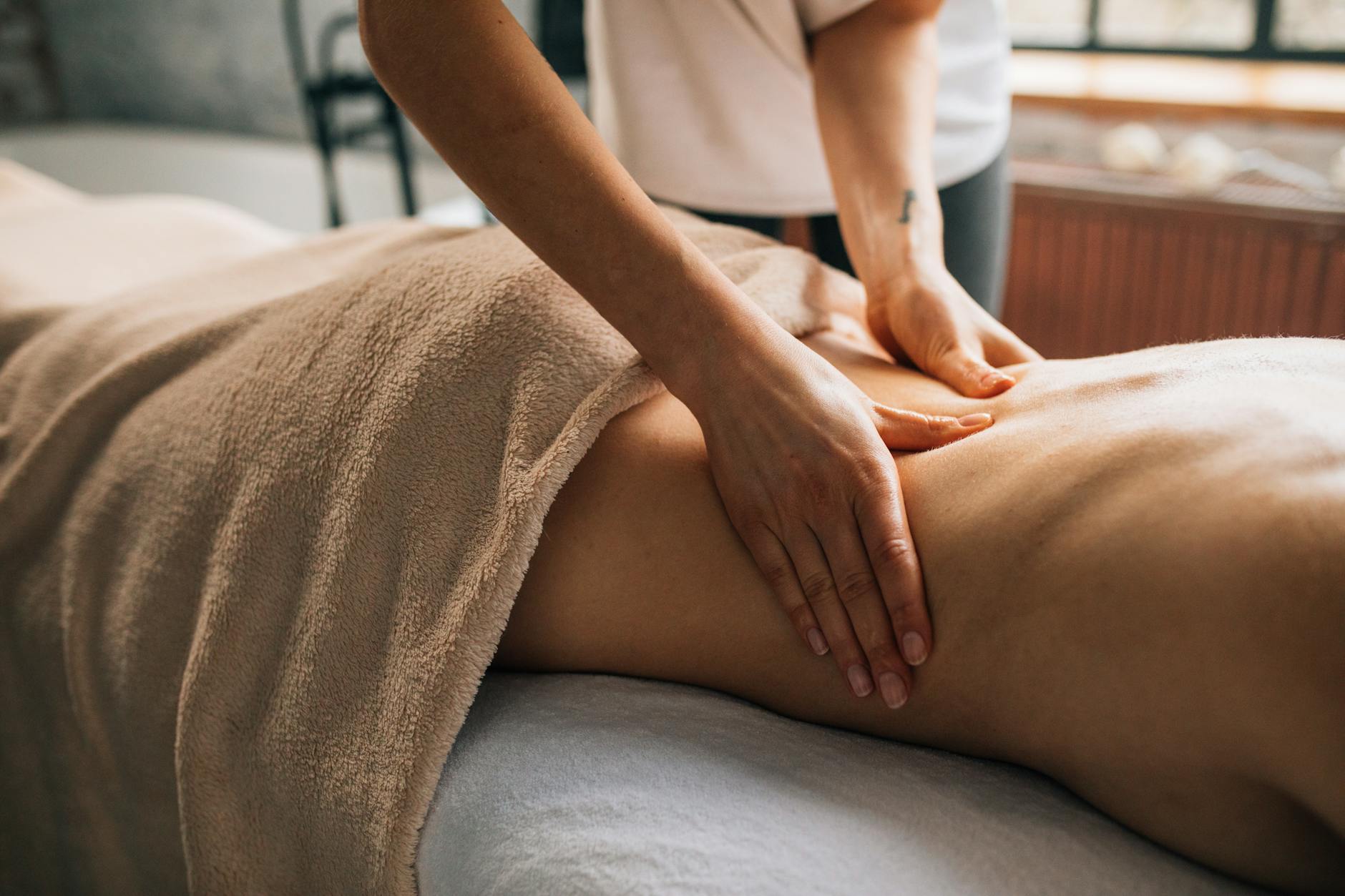
Facial lymphatic drainage is one of the most appreciated treatments among my patients, and one of the least known to the wider public. Often associated with the whole body, lymphatic drainage can also be applied locally to the face and neck, with both aesthetic and therapeutic benefits.
How does the facial lymphatic system work?
The face is richly vascularised and innervated, and has a dense lymphatic network that drains tissue fluid towards the lymph nodes beneath the jaw, in the neck and above the collarbones. When drainage slows, from stress, poor sleep, a salt-heavy diet or certain medications, fluid accumulates in the tissues and causes puffiness, particularly around the eyes and cheeks.
What facial lymphatic drainage does
Reduces puffiness: manual drainage stimulates lymphatic flow and helps clear excess fluid from the tissues. The result: a less swollen face and more defined features.
Brightens the complexion: better lymphatic circulation improves tissue oxygenation and waste removal. The skin looks brighter and healthier.
Deeply relaxing: the movements are slow, rhythmic and very light. They activate the parasympathetic nervous system, the deep-rest response. Many patients fall asleep during the session.
Helps with sinusitis: lymphatic drainage can decongest the sinuses and ease the pain associated with chronic sinusitis.
Supports post-operative recovery: after aesthetic surgery (rhinoplasty, blepharoplasty) or dental procedures, facial lymphatic drainage speeds up the reduction of swelling and improves healing.
What a session looks like
Facial drainage is done lying down in a fully relaxed position. I start by opening the lymphatic pathways at the neck and above the collarbones, an essential first step for the facial work to actually flow.
Then I apply slow, very light circular strokes across the different regions of the face: forehead, temples, around the eyes, cheekbones, jawline. The pressure is minimal, around 30 to 40 mmHg, roughly the weight of a feather on the skin. The rhythm is slow, respecting the natural cadence of lymph.
A facial drainage session lasts 45 to 60 minutes.
Who can benefit?
Facial lymphatic drainage is suited to:
- People with persistent morning puffiness
- Post-operative patients (aesthetic, dental, ENT surgery)
- Those with chronic sinusitis or congestion
- Anyone wanting to brighten their skin and relax deeply
Contraindications are rare but real: active skin infections, ongoing cancer treatment (without medical clearance), venous thrombosis. A brief intake is always carried out before the first session.
If you'd like to try facial lymphatic drainage or learn more, get in touch.