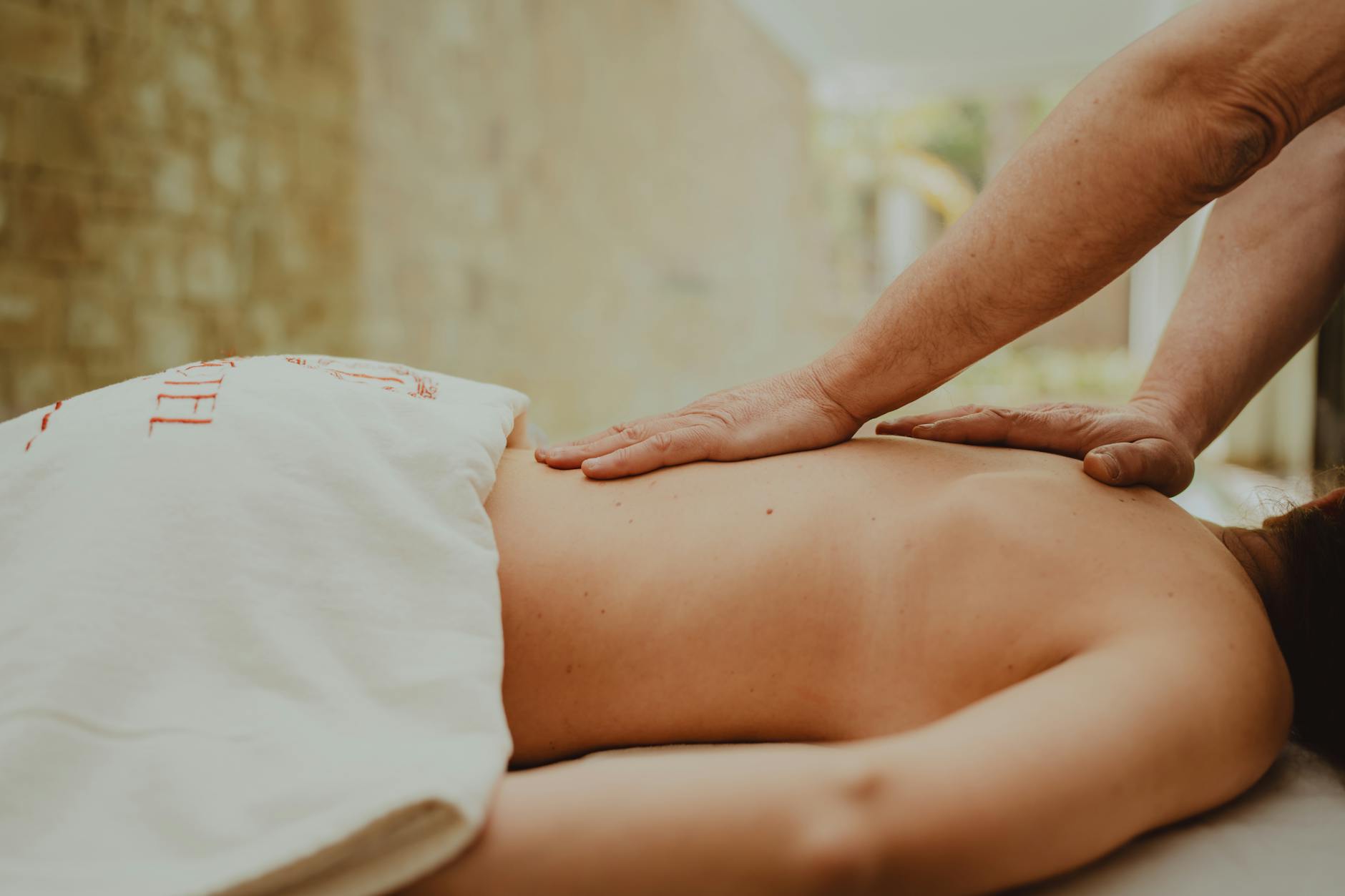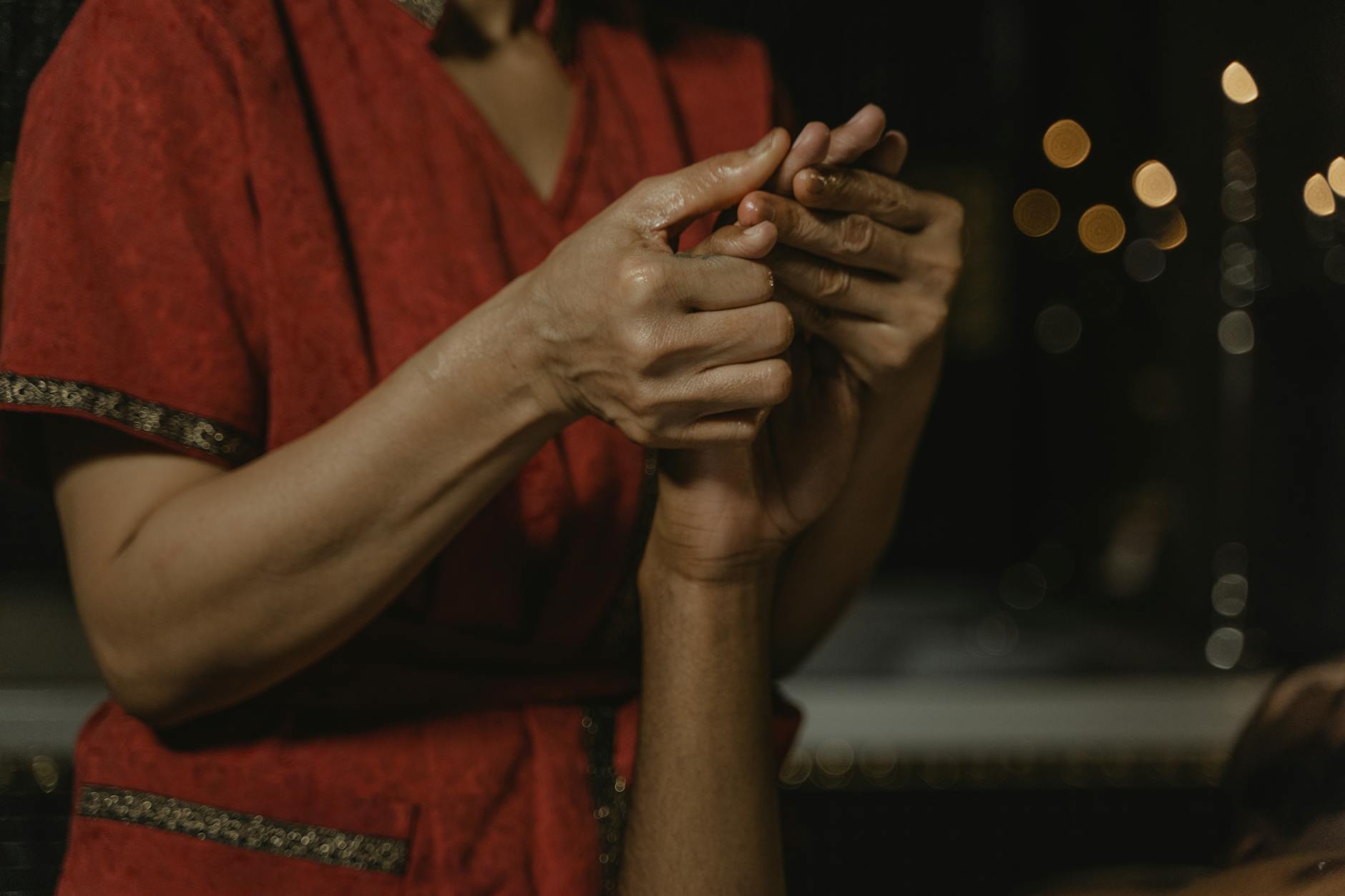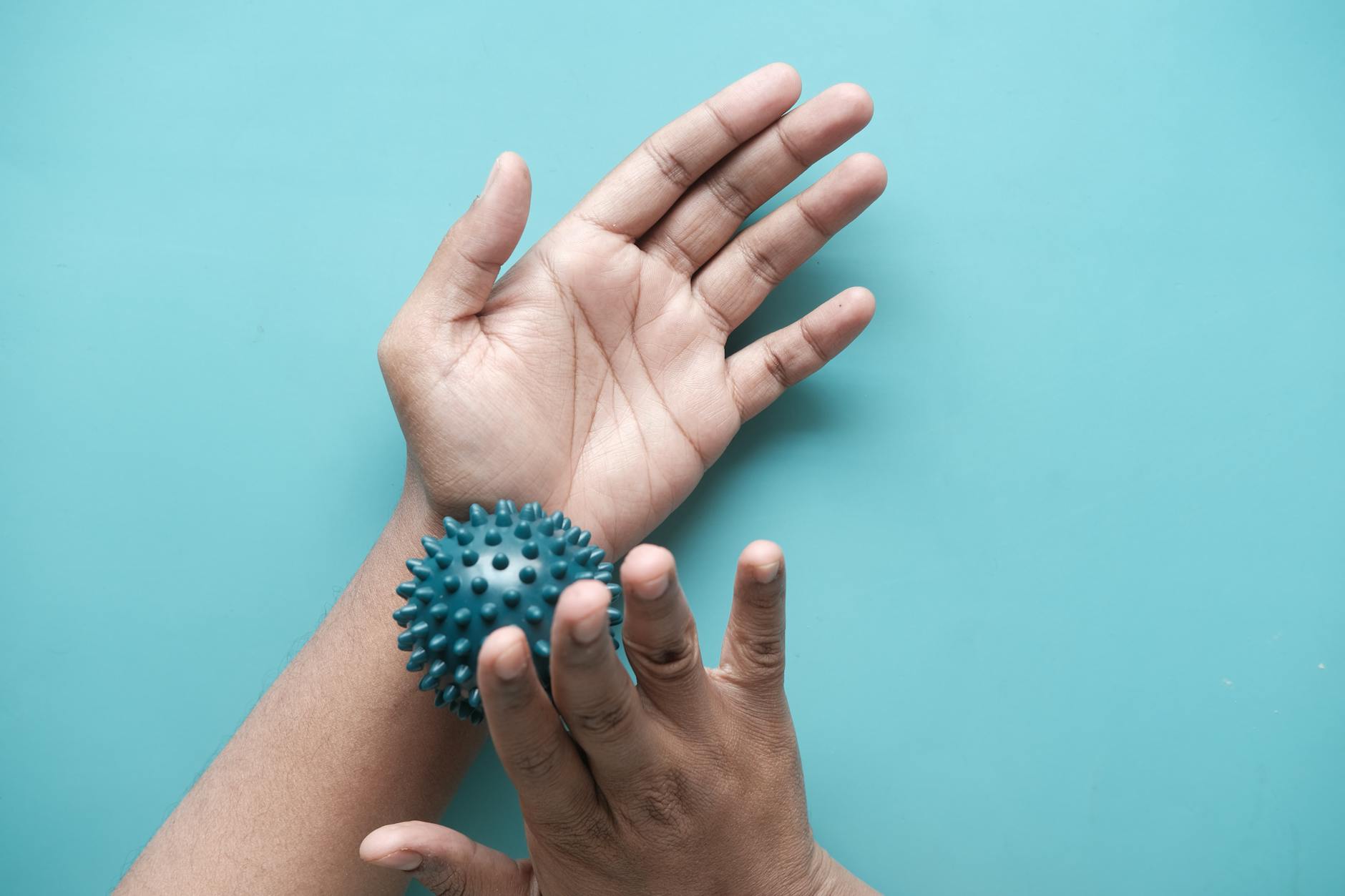
Swedish massage is the reference technique of Western massage therapy. Developed in the 19th century by the physician Per Henrik Ling, it remains the most widely practised form of massage in the world, and for good reason.
The five fundamental strokes
Swedish massage is built on five basic techniques, used in combination:
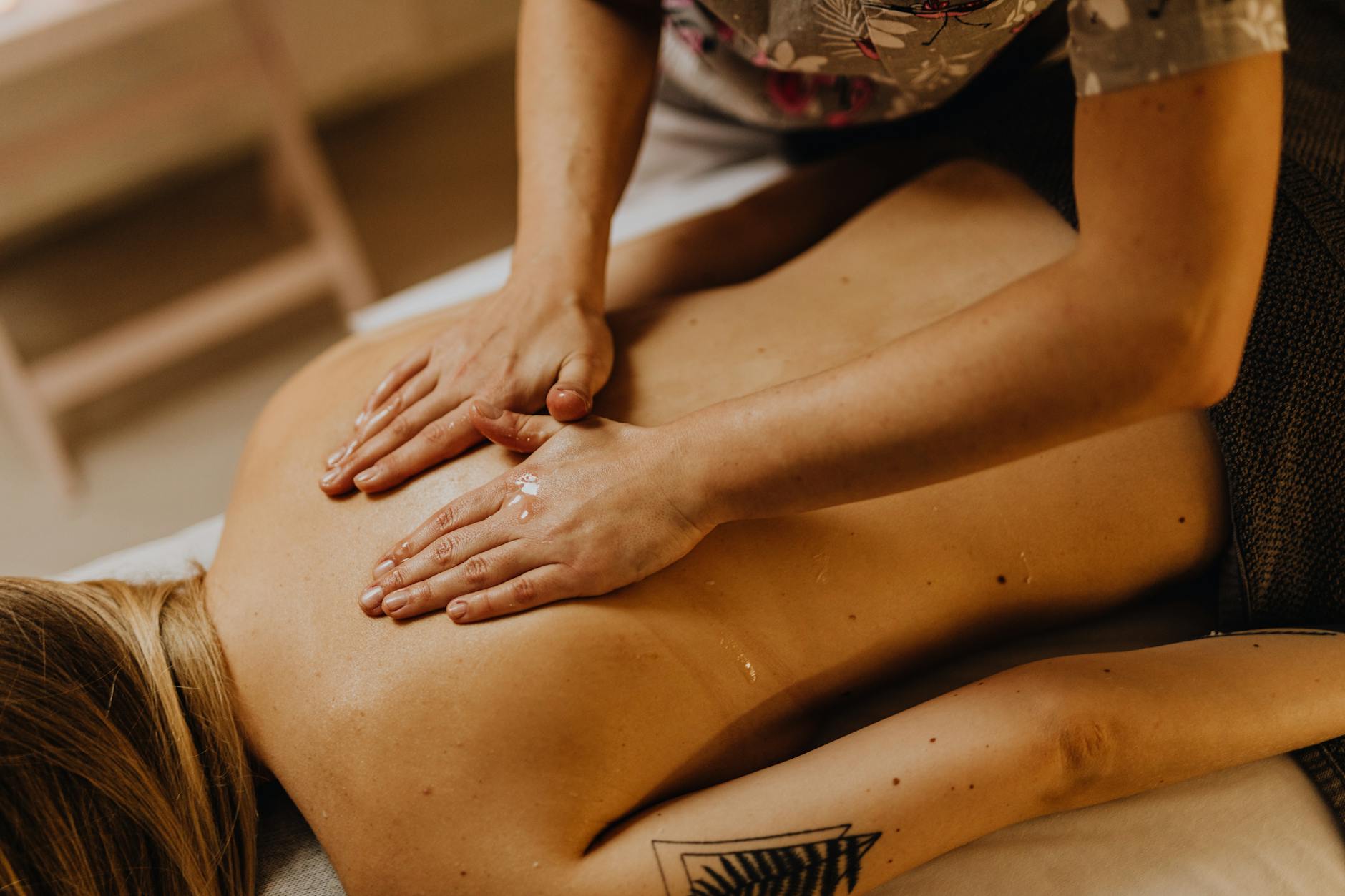
- Effleurage, long, enveloping glides at the start and end of the session to warm the tissues
- Petrissage, kneading and rolling the muscles, like bread dough, to release tension
- Friction, small, deep circular strokes over muscle knots
- Tapotement, rhythmic percussion to tone and stimulate
- Vibration, rapid oscillations to relax tight areas
The benefits
Physical
- Reduction in muscle tension and tightness
- Improved blood and lymphatic circulation
- More supple fascia
- Reduced post-exercise soreness (DOMS)
Nervous system and emotional
- Activation of the parasympathetic nervous system (deep-rest mode)
- Lower cortisol (stress hormone)
- Higher serotonin and dopamine
- Better sleep quality
What a session looks like
The session lasts 60 to 90 minutes. You lie on the table covered with a sheet, and I uncover each area as I work on it. Massage oil allows smooth, pain-free glides.
Pressure is adjusted to your preference and your feedback. Don't hesitate to speak up during the session.
Who is it for?
Swedish massage suits everyone, athletes, professionals under stress, people with chronic tension, or anyone simply looking to relax. It's also an excellent first massage for those who have never had one.