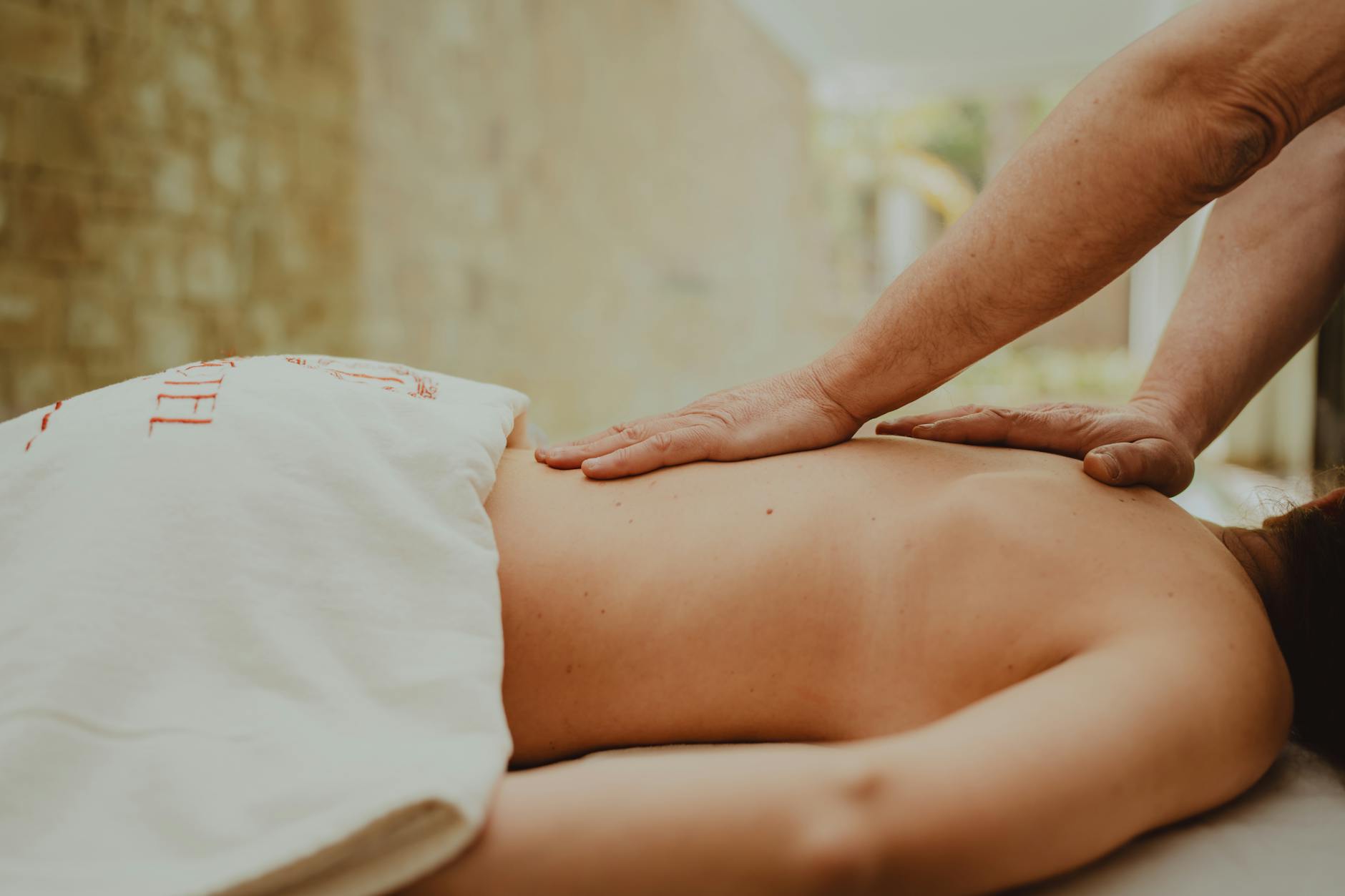
Deep tissue massage is nothing like a classic relaxation massage. It specifically targets the deeper layers of muscle and fascia to release tension that doesn't respond to surface work.
Who is it for?
Deep tissue massage is particularly suited to:
- Athletes who experience recurring tension in specific muscle groups
- People with chronic pain, lower back pain, neck pain, painful shoulders
- Desk-based workers with persistent tightness (trapezius, lumbar area)
- People recovering from injury whose healing has left adhesions behind
The technique
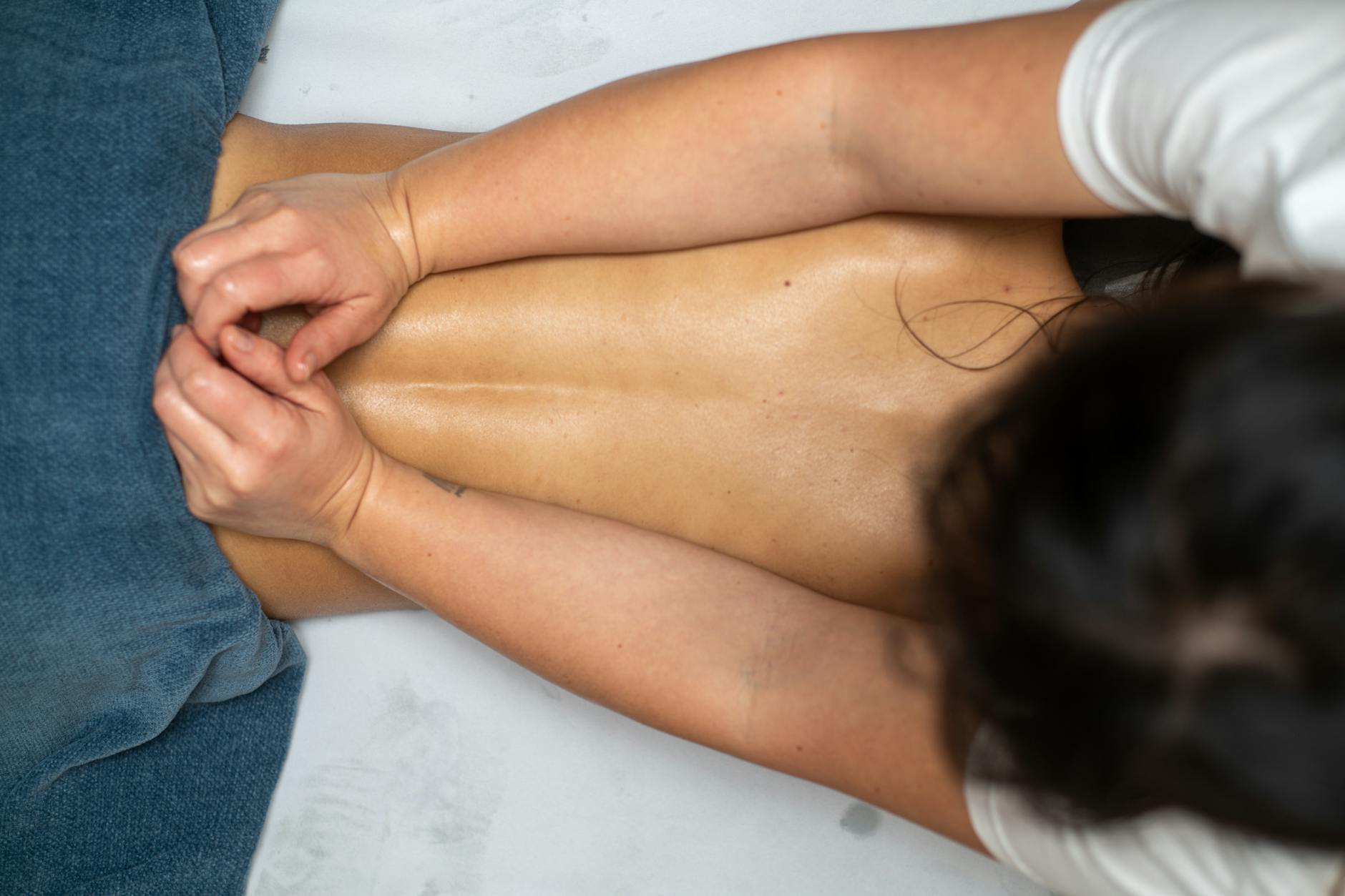
Deep tissue work uses slow, sustained pressure, cross-fibre friction and myofascial release. The aim is to break up adhesions in the fascia and release deep muscular knots (trigger points).
The tools of the trade: thumbs, forearms and elbows, to reach depths the palms alone can't access.
What you might feel
Deep tissue work is more intense than a Swedish massage. Some moderate discomfort during the session is normal and expected. You should never feel sharp pain, if you do, say so straight away.
Within 24 to 48 hours after the session, mild soreness is common, a sign that the tissues have been worked deeply and are recovering. Drink plenty of water.
Deep tissue vs. osteopathy
Deep tissue massage and osteopathy complement each other. Massage targets muscles and fascia; osteopathy also addresses the joints and deeper structures (viscera, cranial membranes). I often combine both within the same session for the best results.