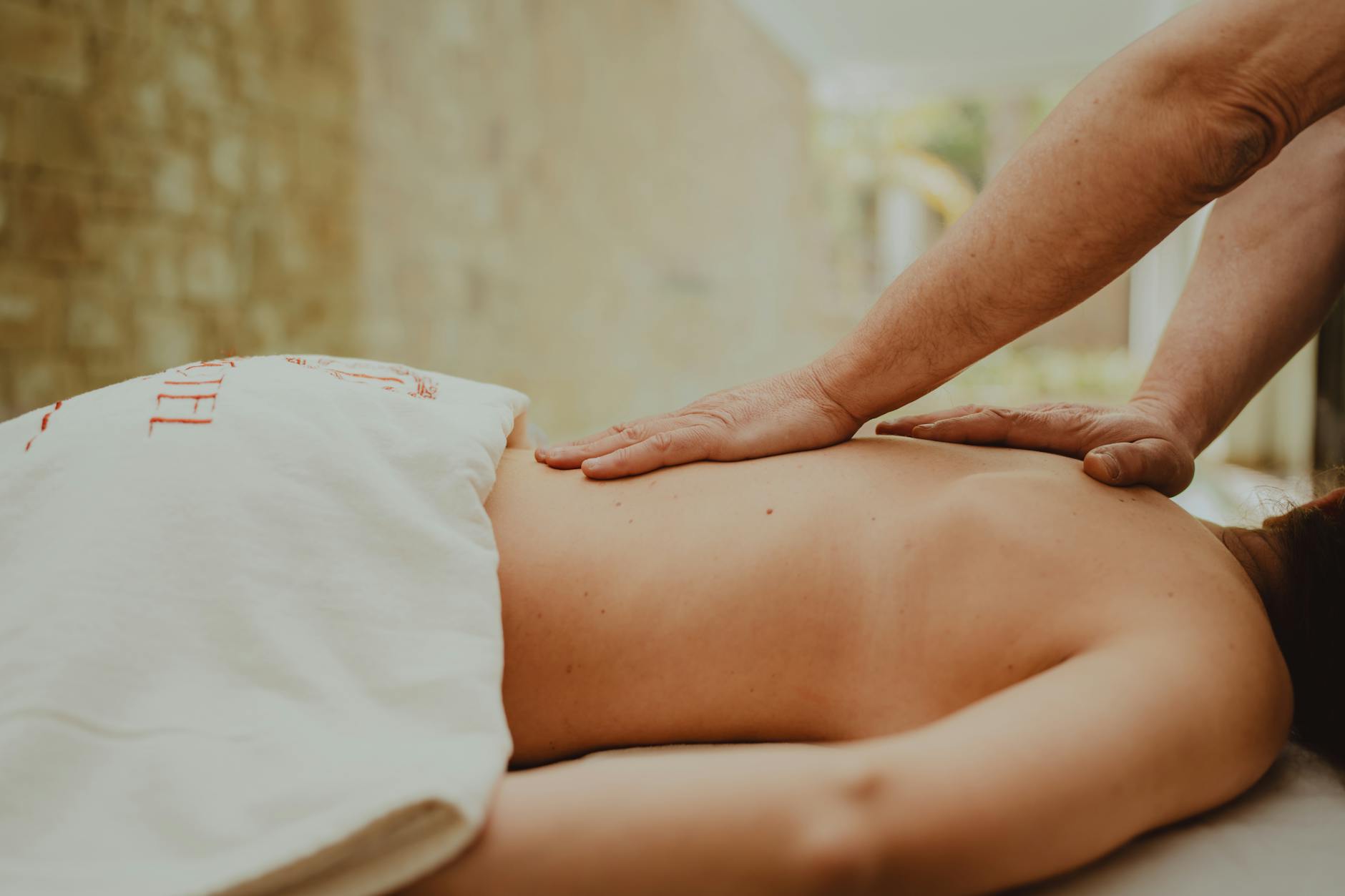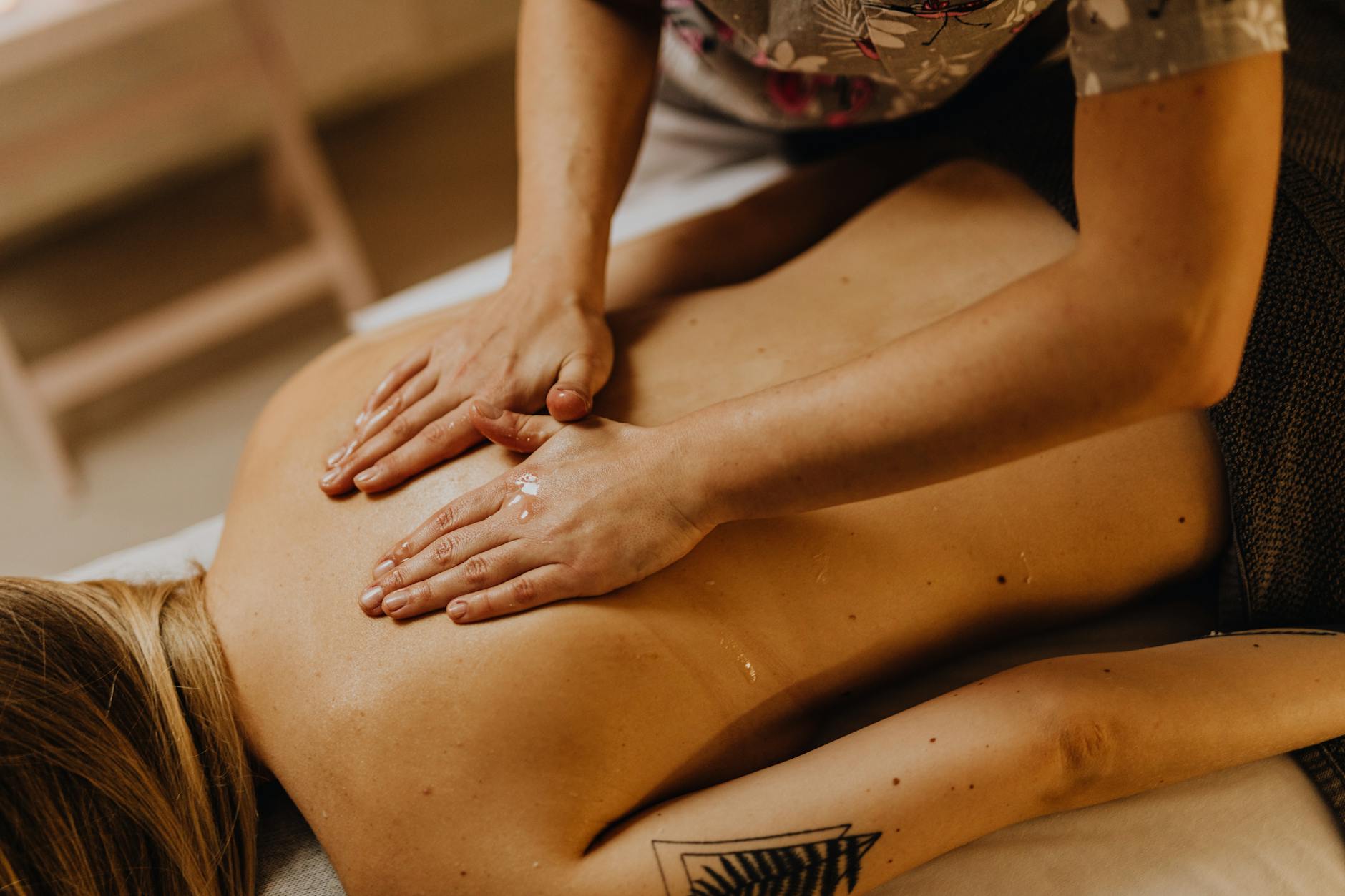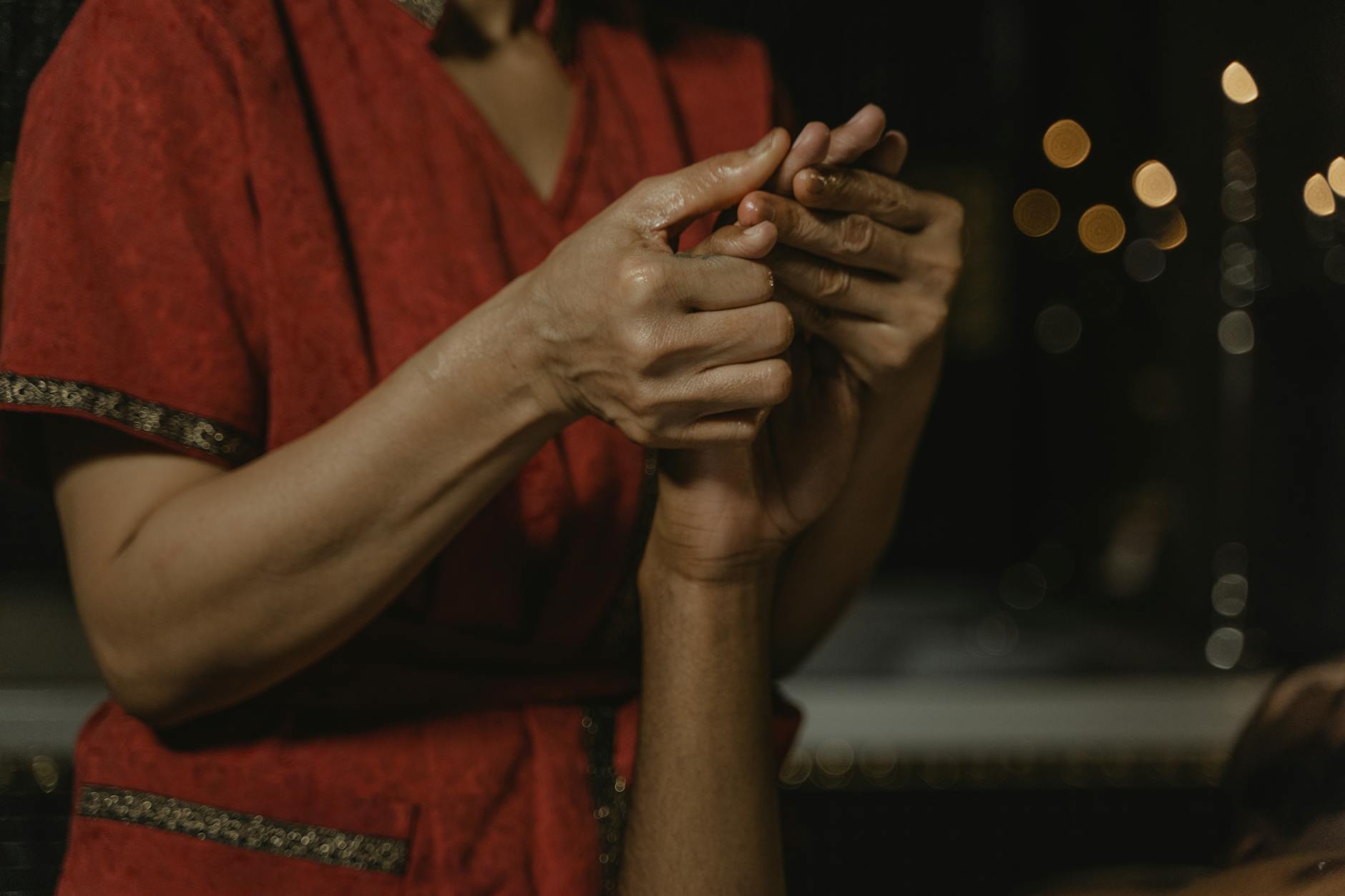
Joint pain affects millions of people and is one of the leading reasons for coming in to my Tel Aviv practice. Osteoarthritis, tendinitis, arthritis, post-traumatic pain, the origins vary, but in many cases therapeutic massage can bring significant relief.
How does massage work on joints?
A painful joint is rarely isolated. It's surrounded by tight muscles, irritated tendons, compressed ligaments and connective tissue (fascia) that has lost its suppleness. That surrounding stiffness worsens joint pain by limiting mobility and increasing the mechanical load on the joint.
Massage works on several levels:
- Muscle relaxation: releasing contracted muscles around the joint reduces the mechanical pressure on it.
- Better circulation: massage boosts local microcirculation, improving the supply of nutrients and the clearance of metabolic waste, reducing local inflammation.
- Fascial mobilisation: myofascial techniques work directly on connective tissue, restoring glide between structures and recovering mobility.
- Nervous-system effects: massage modulates pain perception through complex neurophysiological mechanisms (gate control, endorphin release).
Main indications
Osteoarthritis: osteoarthritis is progressive cartilage wear. Massage doesn't regenerate cartilage, but it eases pain by relaxing the surrounding muscles and improving overall mobility. Knees, hips, neck and lower back are the most commonly treated areas.
Tendinitis: tendinopathy of the knee, shoulder, tennis elbow or Achilles tendon responds well to deep transverse friction (Cyriax) and gentle mobilisation. The goal is to support tendon healing and reduce irritation.
Shoulder pain: the shoulder is the most mobile joint in the body, and one of the most vulnerable. Subacromial impingement and rotator-cuff tendinopathy benefit from work on the cuff, the pectorals and the rhomboids.
Knee pain: patellofemoral syndrome, knee osteoarthritis, post-surgical adhesions, massage of the quadriceps, hamstrings and IT band can significantly reduce pain and improve function.
Hands and wrists: craftspeople, musicians, physiotherapists and screen-based workers often develop hand and wrist pain (carpal tunnel, finger arthritis). Forearm and hand massage bring quick relief.
Massage alone, or combined with osteopathy?
For joint pain of mechanical origin (without severe acute inflammation), massage on its own can be enough. In many cases, though, I combine massage with osteopathic techniques to address both the soft tissues and the joint restrictions.
Osteopathy lets me mobilise the joint directly, correct the postural imbalances contributing to the problem, and work on other areas whose restrictions can affect the painful joint from a distance.
What I recommend outside sessions
In-office work should be supported by practical advice: maintenance exercises, tweaks to working postures, use of heat or cold depending on the phase, and sometimes nutritional adjustments (anti-inflammatory diet).
If you suffer from chronic joint pain, I'd encourage you to come in for an assessment. The aim is lasting relief and giving you the tools to maintain your progress day to day.