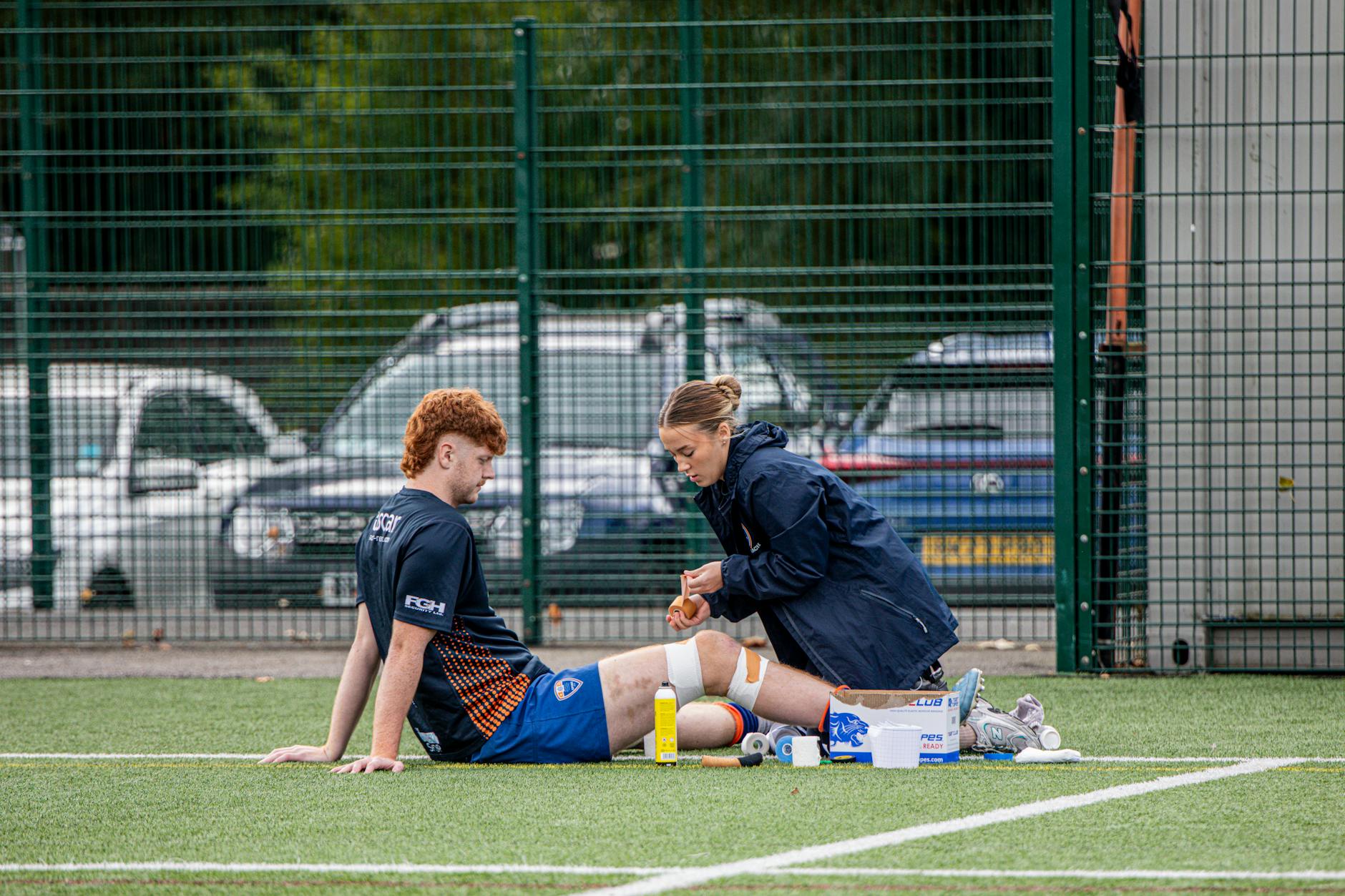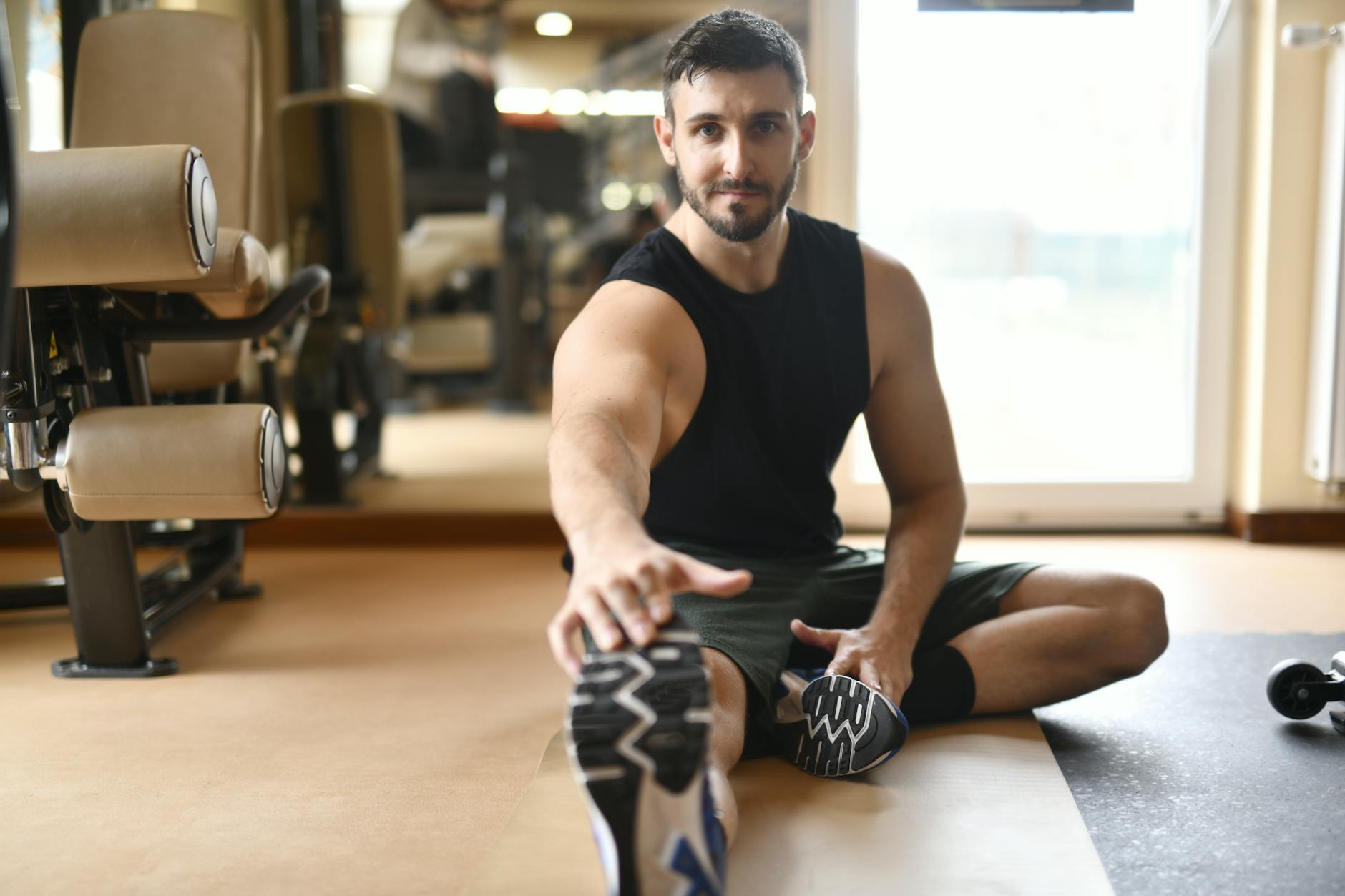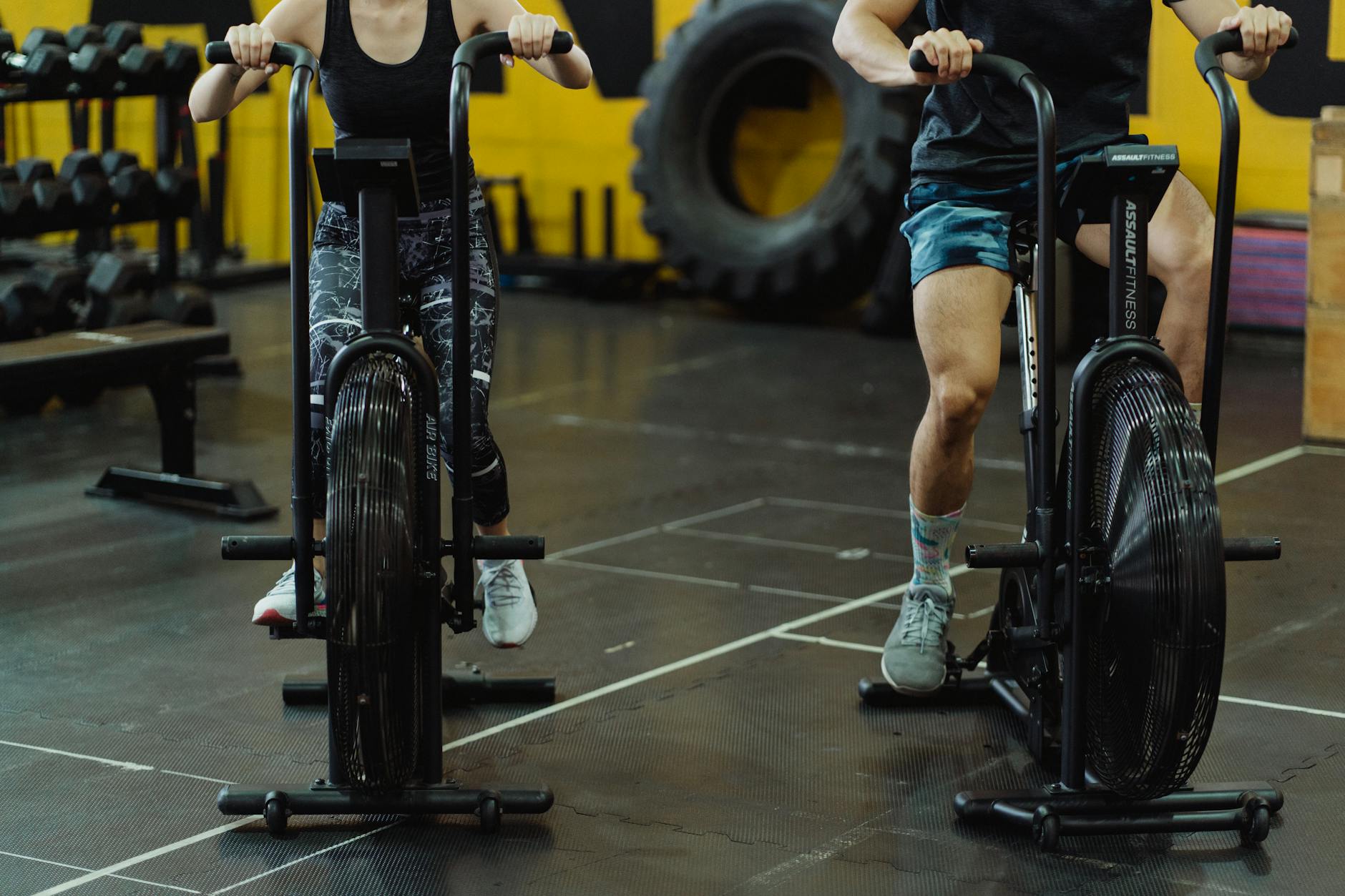
Cross-training, practising several complementary sports, was once reserved for elite athletes or those coming back from injury. It's now recognised as a smart approach for anyone who moves. Here's why.
The idea behind cross-training
An athlete who sticks to a single discipline builds repetitive motor patterns. Over time, that repetition creates muscular imbalances, postural compensations and eventually overuse injuries. Varying activities loads the body from different angles, keeps the joints healthy, and develops a broader range of physical qualities.
Real-world benefits
Injury prevention: overuse injuries (tendinitis, shin splints, iliotibial band syndrome) are typically linked to overloading the same muscle groups. Cross-training spreads the workload across the whole body.
Maintaining fitness through injury: if a runner hurts their foot, they can keep their cardio up with swimming or cycling. That continuity matters for holding on to the fitness you've built.
Better performance in your main discipline: a runner who lifts and does yoga improves posture, stability and running economy. A footballer who swims strengthens the shoulders and core without joint impact.
Sustained motivation: doing the same thing every day gets old. Mixing sports keeps training enjoyable.
Effective combinations
Running + swimming: swimming is an ideal complement for runners. Low-impact, it builds cardiovascular capacity while working the upper body, often neglected in running.
Strength training + team sports: strength work improves explosive power, impact tolerance and joint stability, all crucial in team settings.
Yoga or Pilates + high-intensity sport: the flexibility and body awareness developed here translate into better technique, less tension and lower injury risk.
Cycling + running: cycling builds cardio and quadriceps without the impact of running, perfect for high-volume weeks or recovery phases.
My approach
As a sports coach and osteopath, I help patients build cross-training plans that actually fit their goals and lifestyle. The point isn't to burn yourself out across five sports, but to pick two or three disciplines that complement each other and keep the process enjoyable.
Osteopathy fits naturally into this approach: it helps detect the imbalances different sports create, treats tension before it becomes injury, and speeds up recovery between sessions.
Getting started
If you're new to cross-training, begin by identifying your gaps: short on flexibility? Power? Endurance? Then pick a complementary activity that addresses it. One or two extra sessions a week are enough to feel the benefits.
Feel free to get in touch to build a plan tailored to your situation, whether you're an amateur or a competitor.