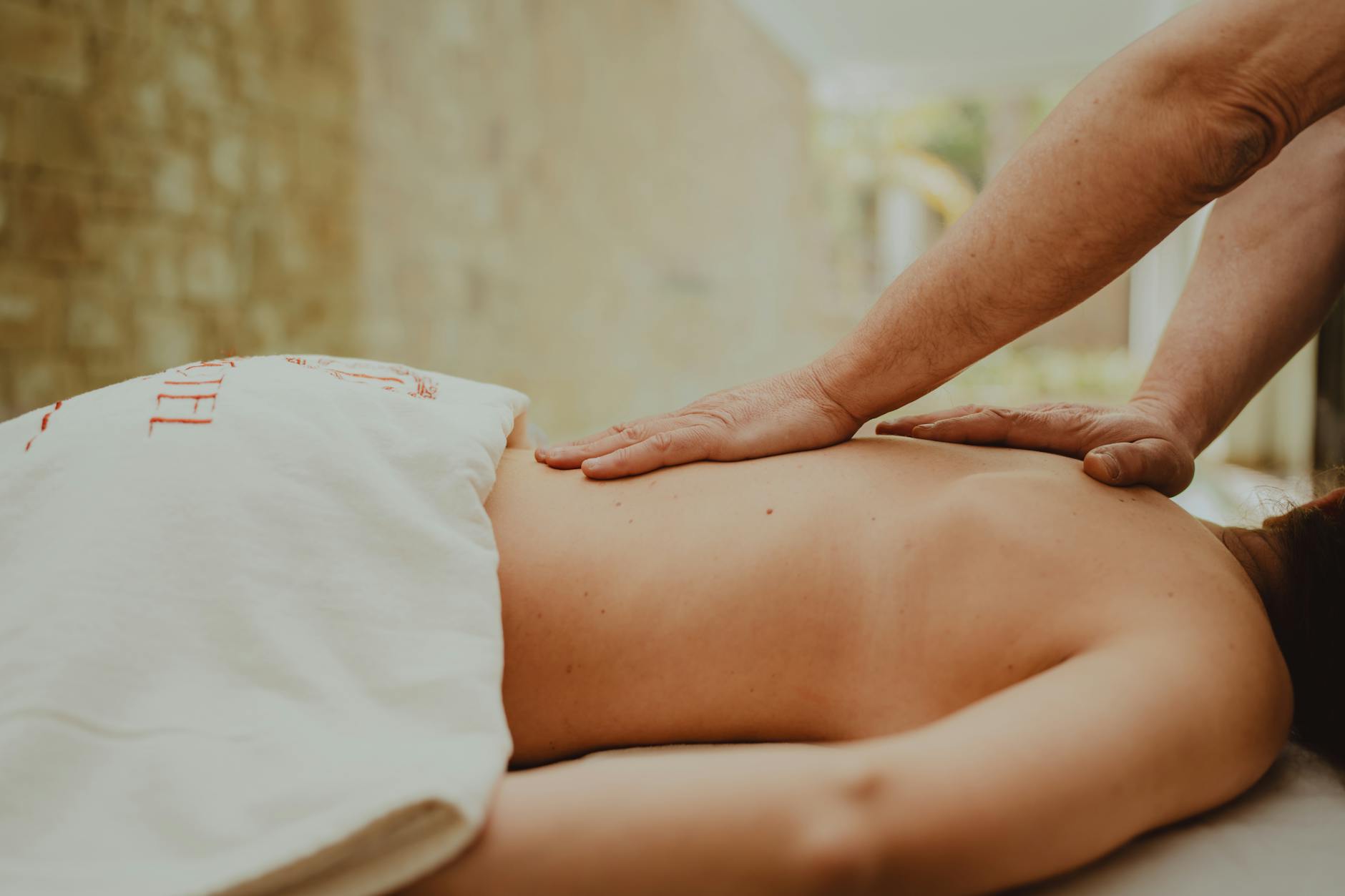
Manual lymphatic drainage (MLD) is one of the gentlest therapeutic techniques there is, and yet one of the most effective. Developed in the 1930s by Emil and Estrid Vodder, it is now recognised across a wide range of medical and therapeutic indications.
The lymphatic system in brief
Lymph is a clear fluid that flows through vessels running alongside the blood system. It carries cellular waste, toxins and immune cells towards the lymph nodes, where pathogens are filtered out and destroyed.
When this system is sluggish, due to stress, a sedentary lifestyle, surgery or illness, lymph stagnates, causing swelling, fatigue and a weakened immune response.
Why is lymphatic drainage so gentle?
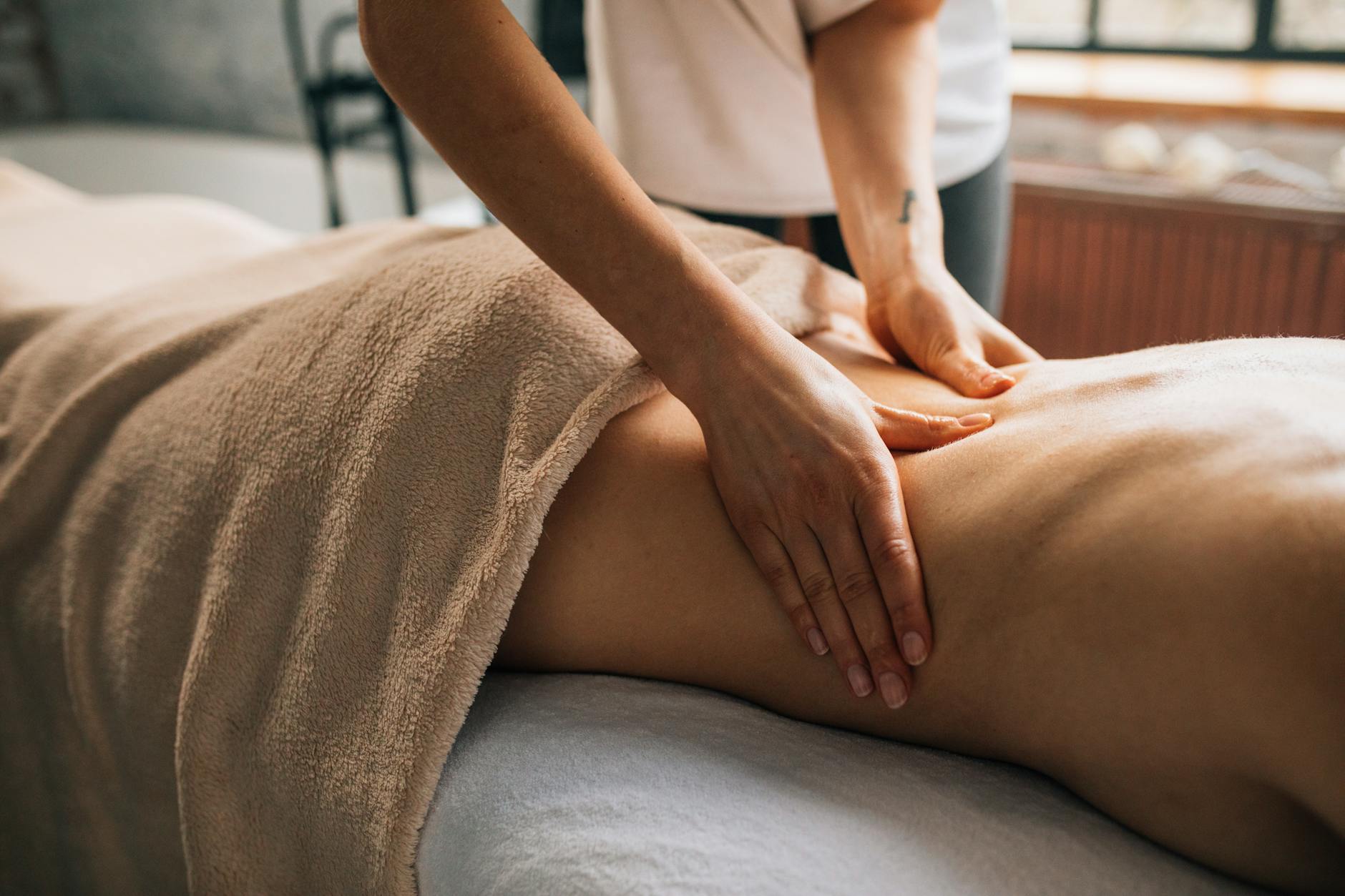
Lymph moves slowly, around 20 times slower than blood. Drainage must respect that natural rhythm. The pressures used are extremely light (30 to 40 g/cm², roughly the weight of a feather) and the movements are slow and rhythmic.
Pressing too hard would be counterproductive: it would collapse the lymphatic vessels and actually reduce flow.
Indications
- Oedema following surgery, trauma or linked to venous insufficiency
- Lymphoedema, chronic swelling after lymph node removal
- Scars, improves quality and reduces adhesions
- Chronic fatigue and low immunity
- Pregnancy, heavy legs, swollen ankles
- Wellness, deeply relaxing, brightens the complexion
What a session looks like
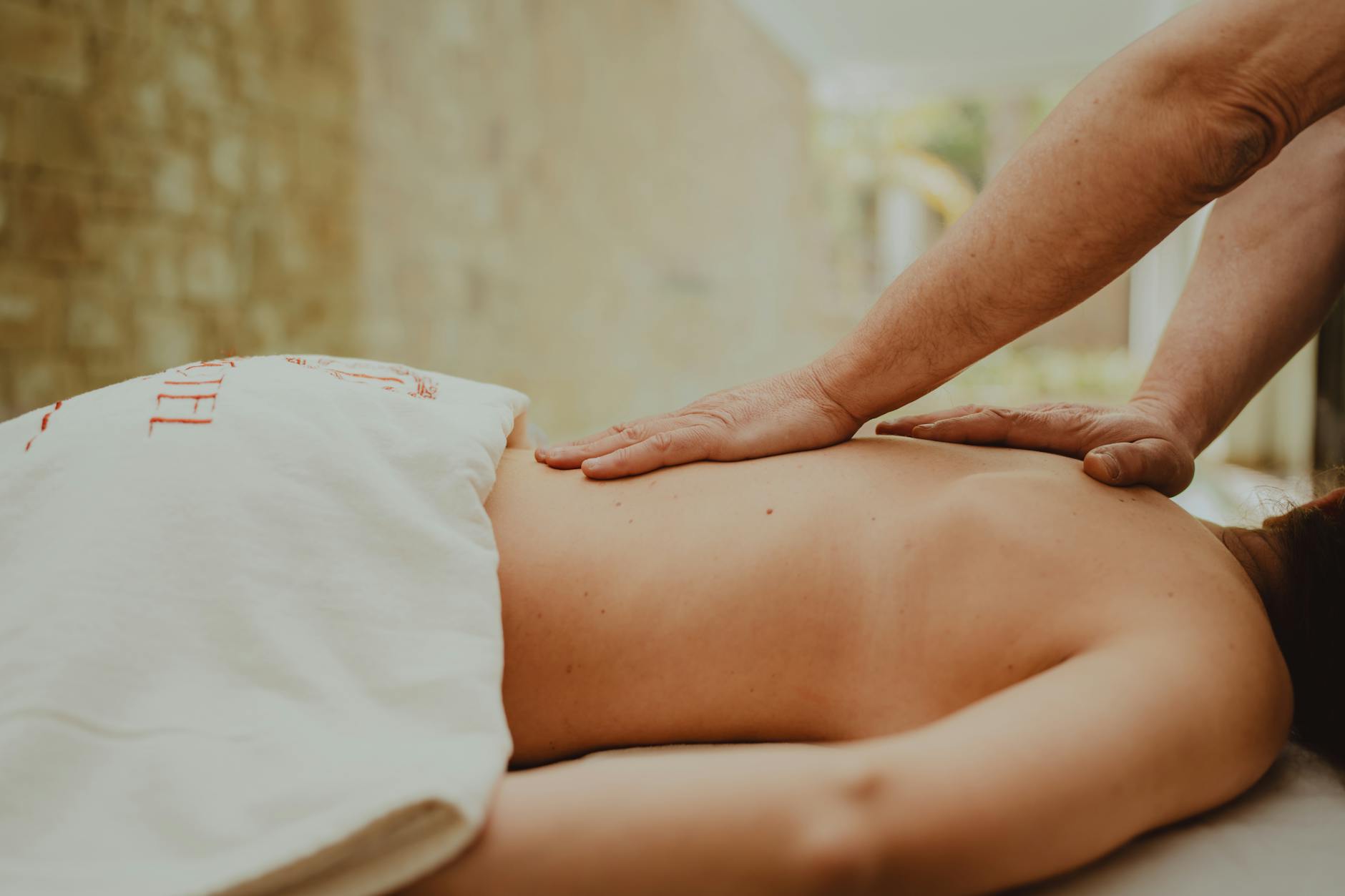
A session lasts 60 to 90 minutes. It always begins at the neck and key lymph nodes in order to "open" the drainage pathways before working on swollen areas. The direction of work is always centripetal, from the extremities towards the trunk.