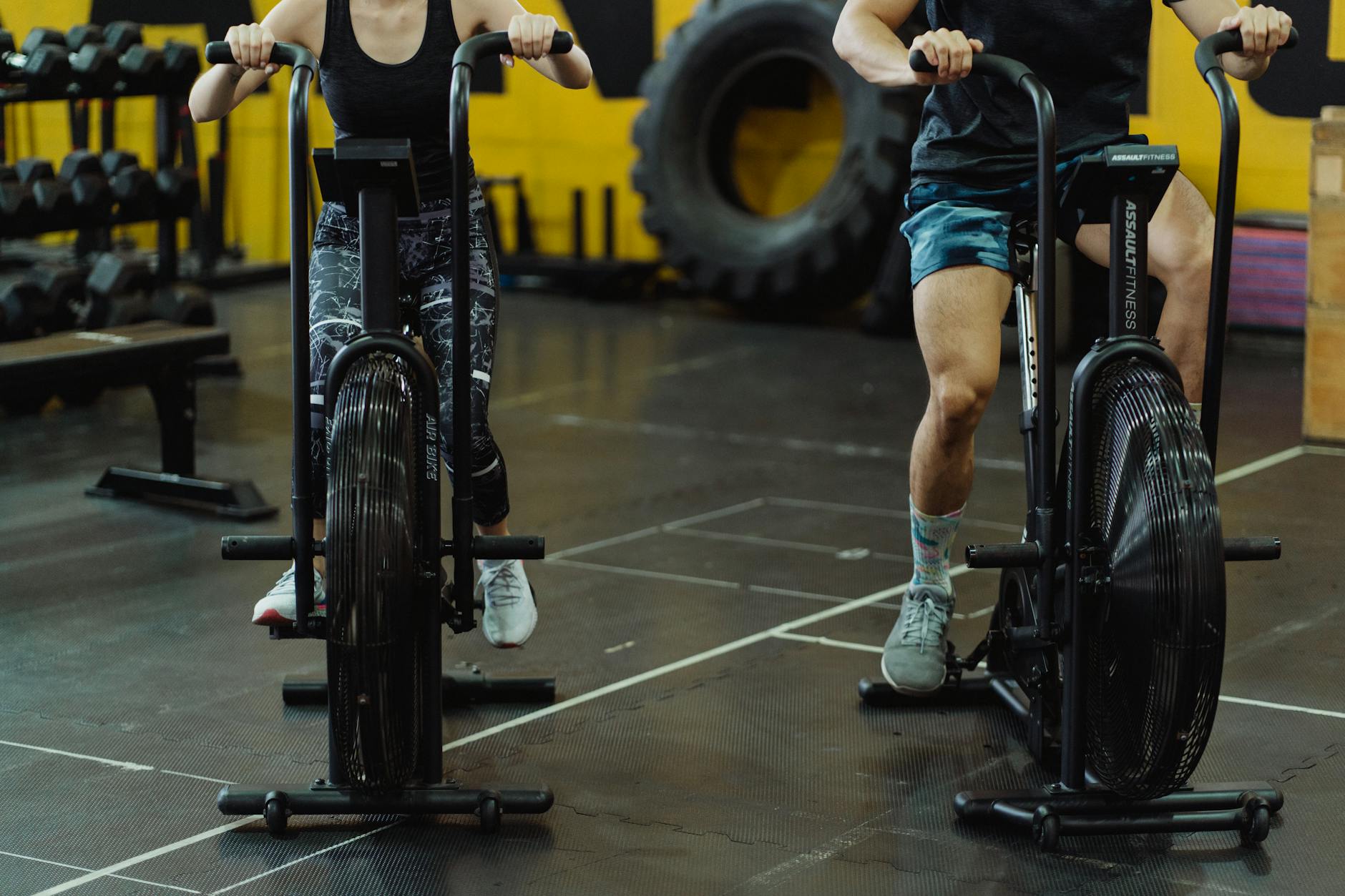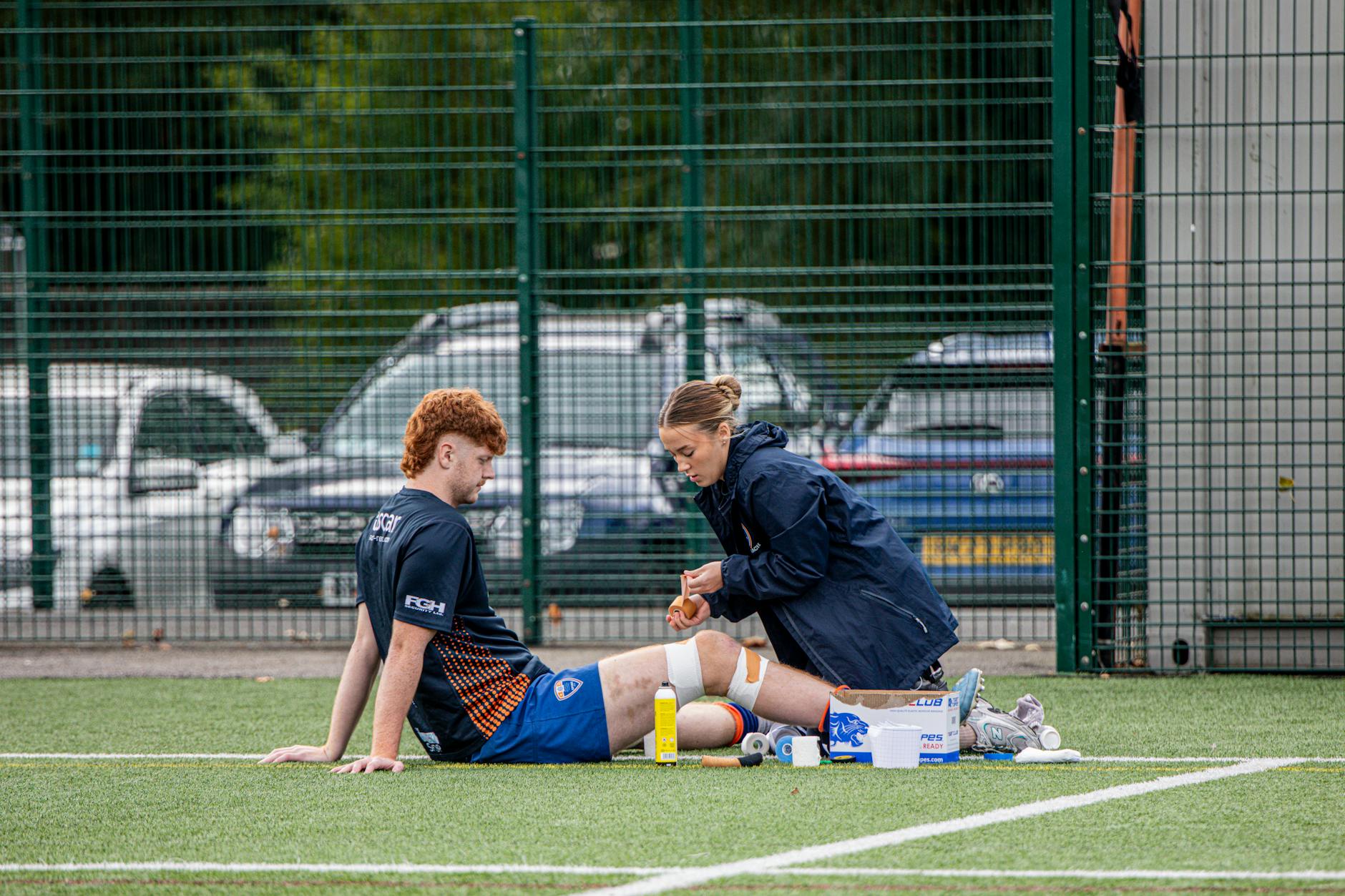
You train during the effort, but you progress during recovery. That's when muscle fibres repair, stores are replenished, the nervous system resets. Neglecting recovery is sabotaging your own progress.
The pillars of recovery
Sleep, the top priority
It's during deep sleep that growth hormone is released. It drives muscle repair, strengthens tendons and supports nervous-system recovery. 7 to 9 hours a night is the minimum for a regular athlete.
Post-exercise nutrition
The metabolic window in the 30 to 60 minutes after training is crucial. Pairing carbs and protein (for instance: banana + Greek yoghurt, or a protein shake + fruit) optimises glycogen resynthesis and muscle rebuilding.
Hydration
Even mild dehydration (1 to 2% of bodyweight) reduces performance and slows recovery. Drinking steadily before, during and after effort is non-negotiable.
Manual therapies
Recovery massage
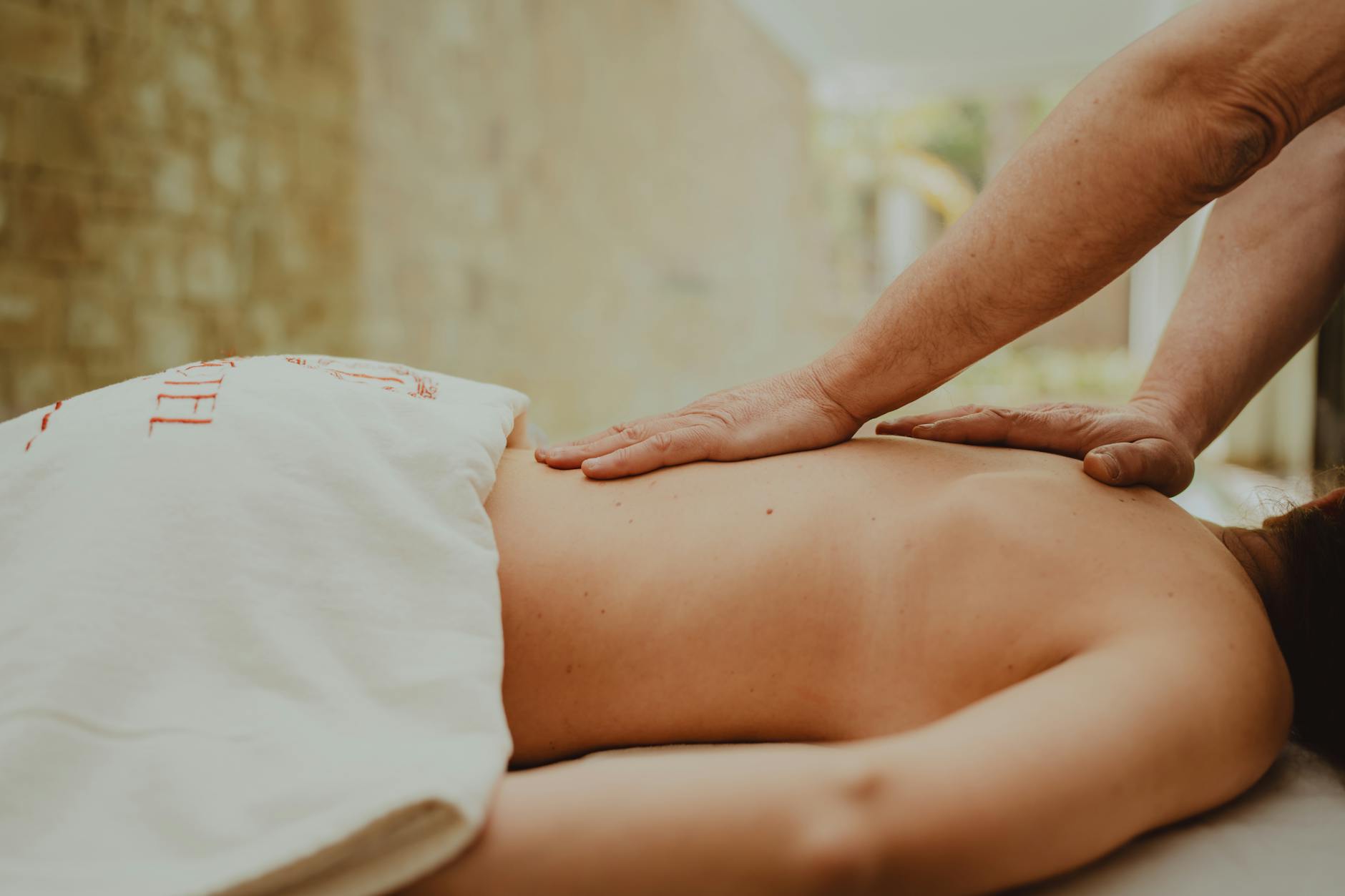
A post-effort massage boosts blood and lymphatic circulation, clears metabolic waste (lactate, H+ ions) and reduces delayed onset muscle soreness (DOMS). A session within 24 to 48 hours after intense effort is ideal.
Osteopathy
Alongside massage, osteopathy releases joint and myofascial restrictions created by the effort. It reaches depths massage alone cannot.
Cupping therapy
Cups create suction that improves microcirculation and releases fascial adhesions. Very popular among swimmers and cyclists.
Active recovery techniques
- Active recovery, light walking or easy cycling the day after hard effort
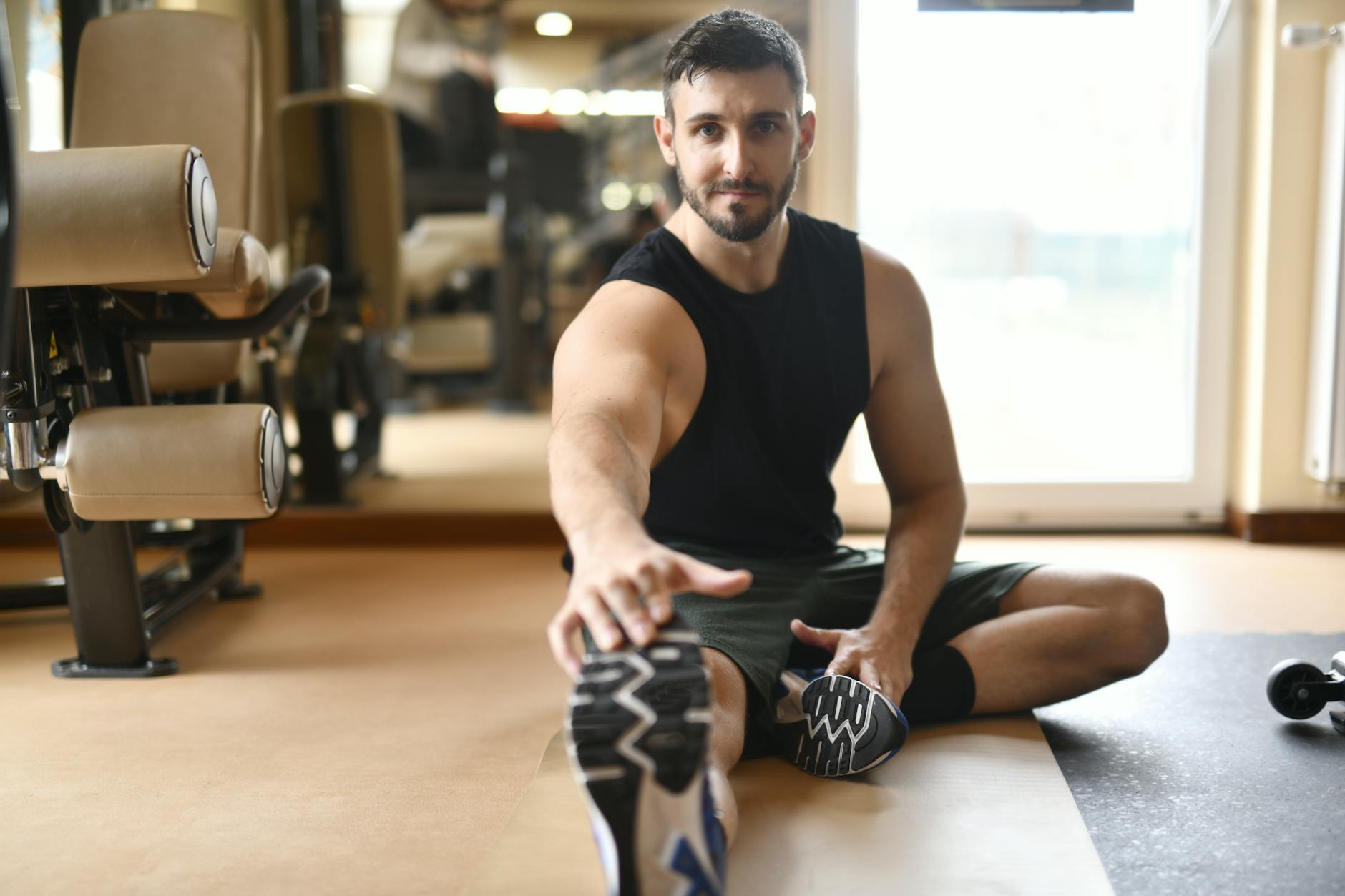
- Gentle stretching, 15 to 20 minutes after the session, without forcing
- Cold baths or contrast hot/cold, reduces local inflammation and muscle fatigue
Recovery is a skill, something that can be learned and refined. Investing in recovery is investing in your future performances.