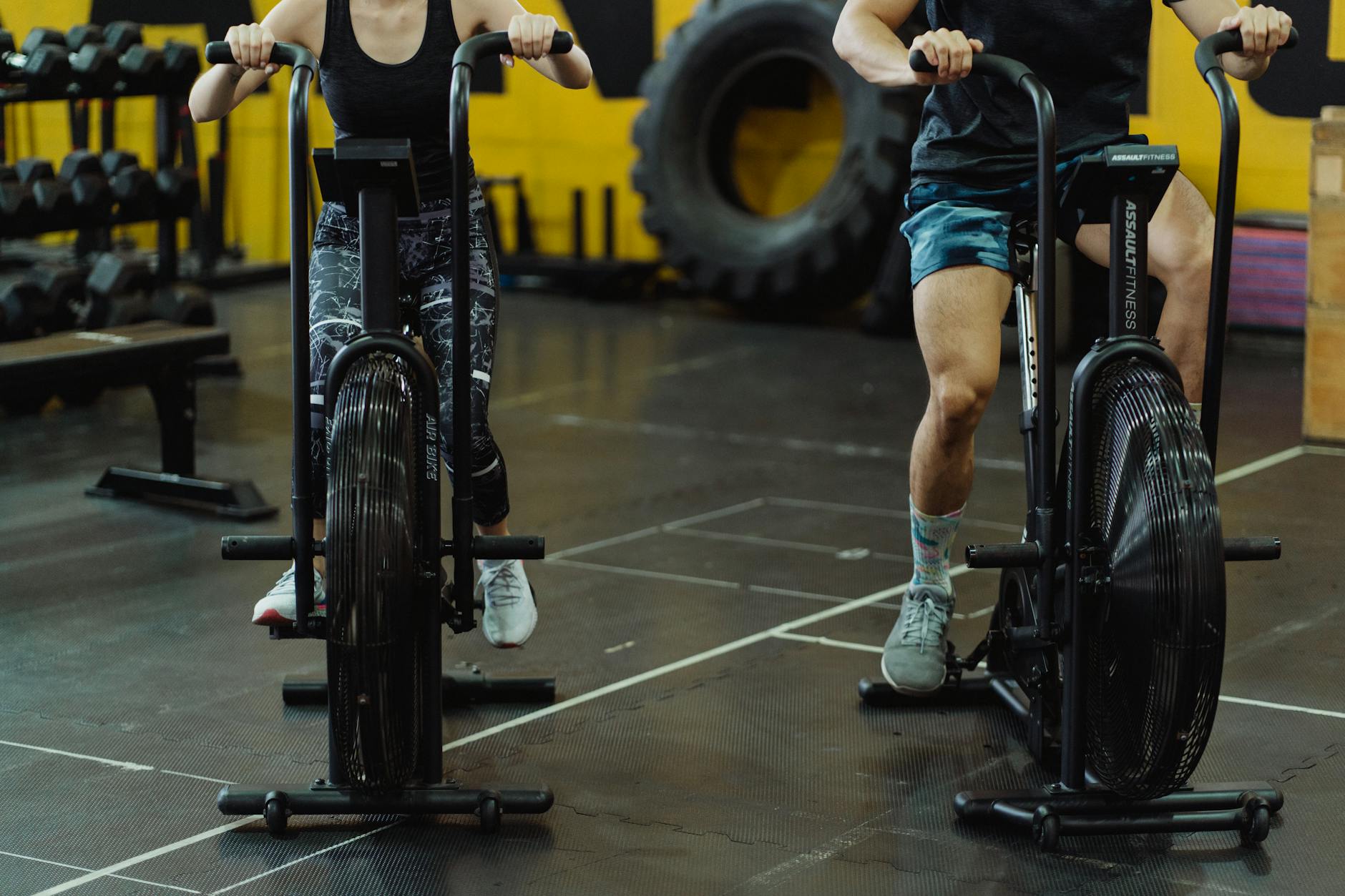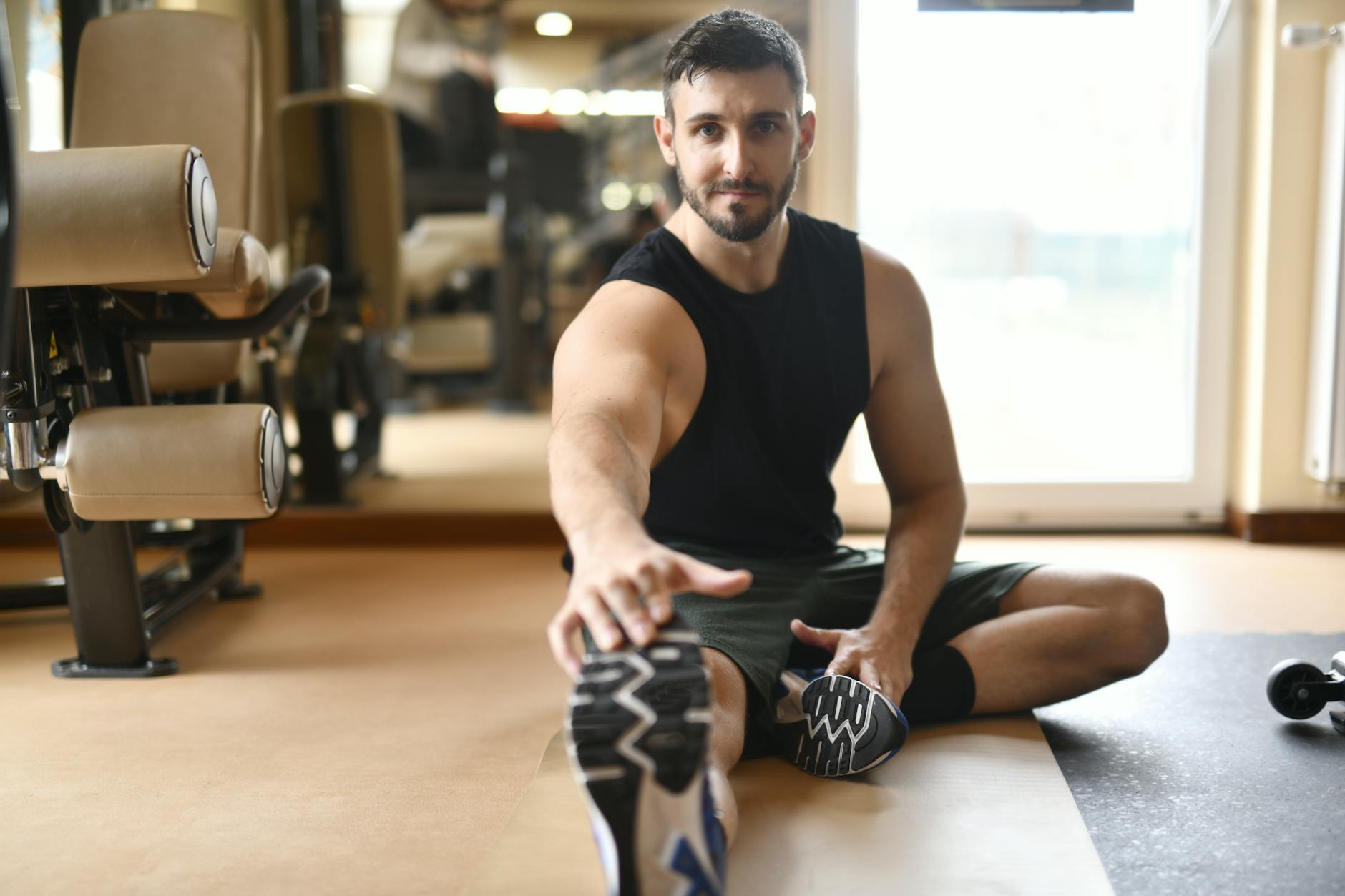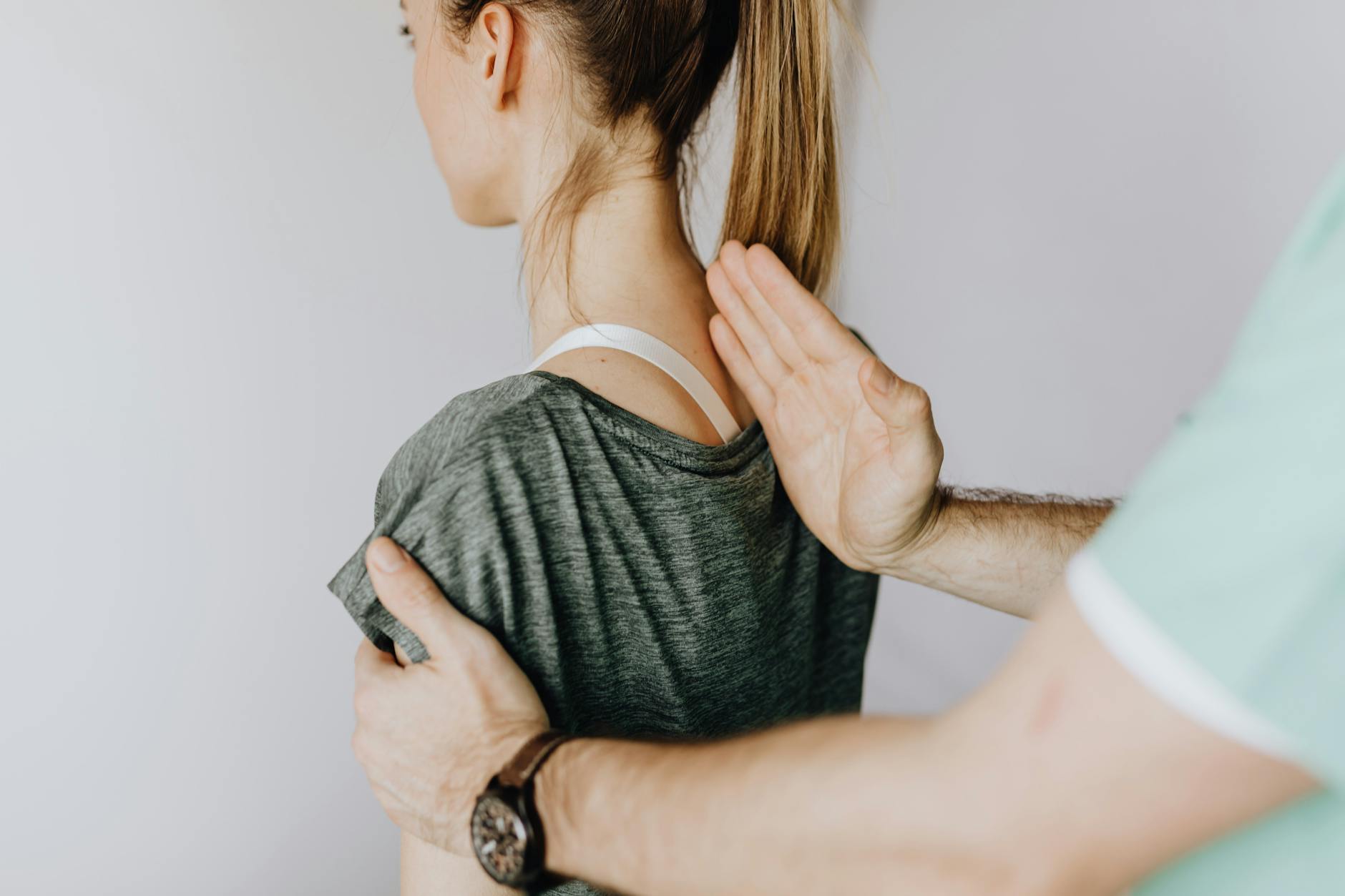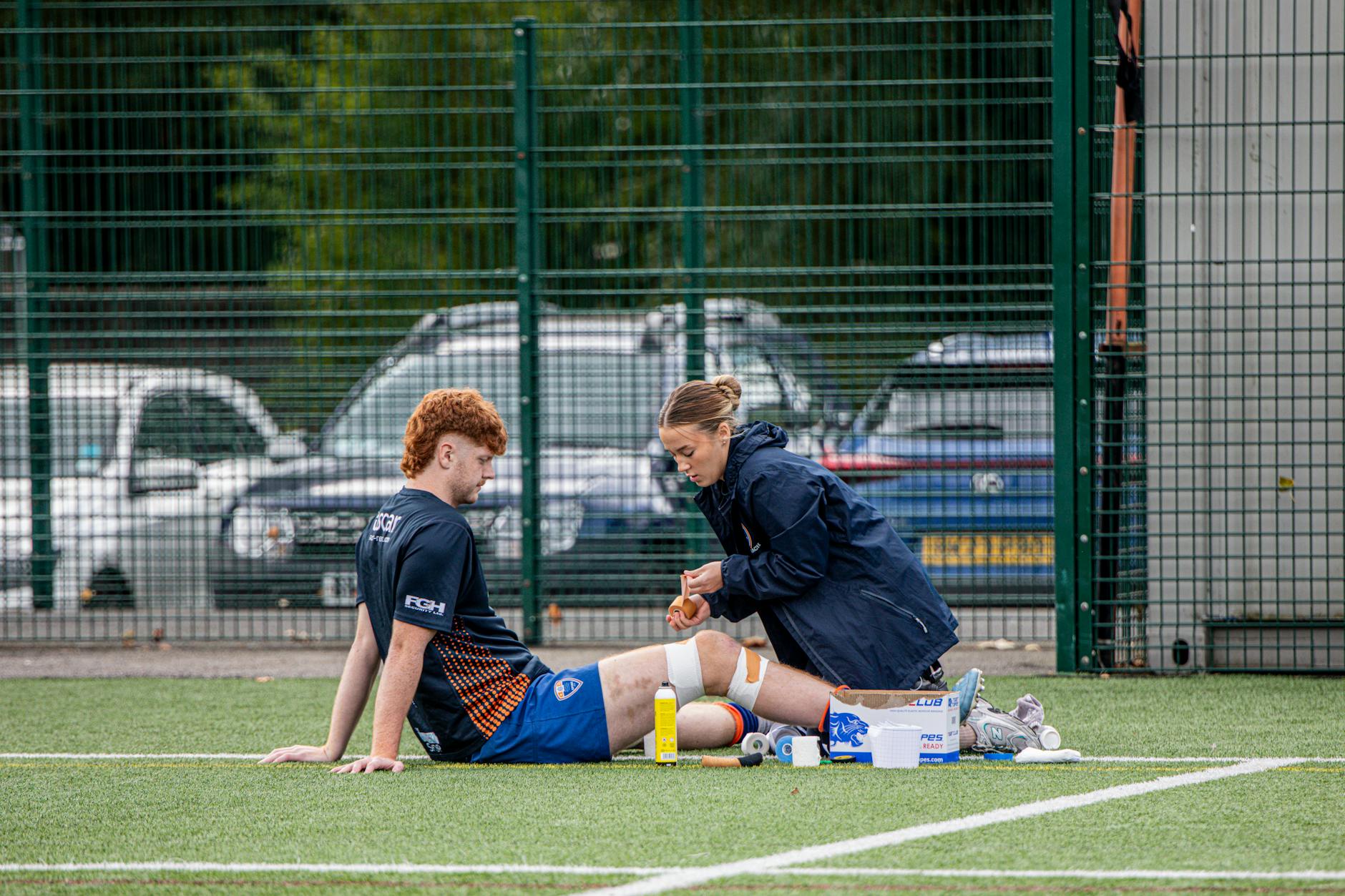
Whether you're a Sunday runner or a competitive athlete, the body takes on significant loads. Osteopathy has become a staple of modern sports care, for good reason.
The athlete and the body
Regular training brings positive adaptations (stronger muscles, better cardiovascular fitness) but also imbalances:
- Overuse of certain muscle groups, at the expense of others that are underused
- Repeated micro-trauma, which accumulates and eventually leads to injury
- Joint restrictions, which limit range of motion and force technique compensations
- Poorly integrated scars, from past injuries, they alter how forces are transmitted
What osteopathy brings to the athlete
Injury prevention
A regular osteopathic check-up (2 to 4 times a year depending on training load) lets us catch imbalances before they become injuries. I identify restriction patterns that compensate elsewhere and create hidden overloads.
Performance optimisation
When the body is free to move and well balanced, it spends less energy compensating. A well-aligned pelvis, free shoulders, a mobile spine, all of these improve the economy of the sporting gesture.
Faster recovery
After hard sessions or competition, osteopathy helps the body recover faster by:
- Releasing accumulated muscle tension
- Stimulating blood and lymphatic flow
- Rebalancing the autonomic nervous system
Common injuries I treat
- Ankle sprains (recent or old)
- IT band syndrome (runners)
- Tendinopathies (Achilles, patellar, shoulder)
- Athlete's lower back pain
- Shoulder pain (swimmers, handball players)
See someone as soon as an unusual pain appears, early care often saves weeks of being sidelined.