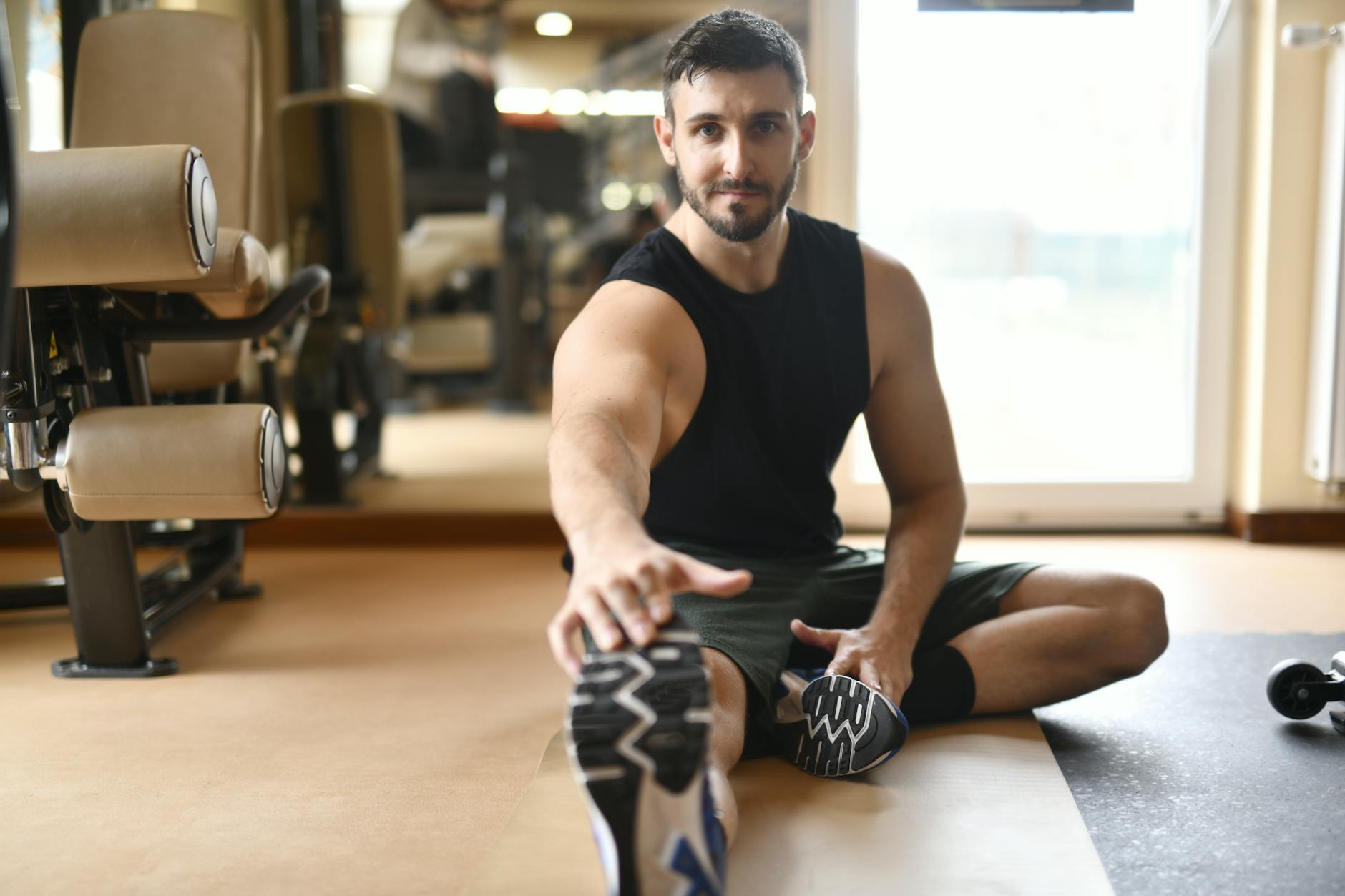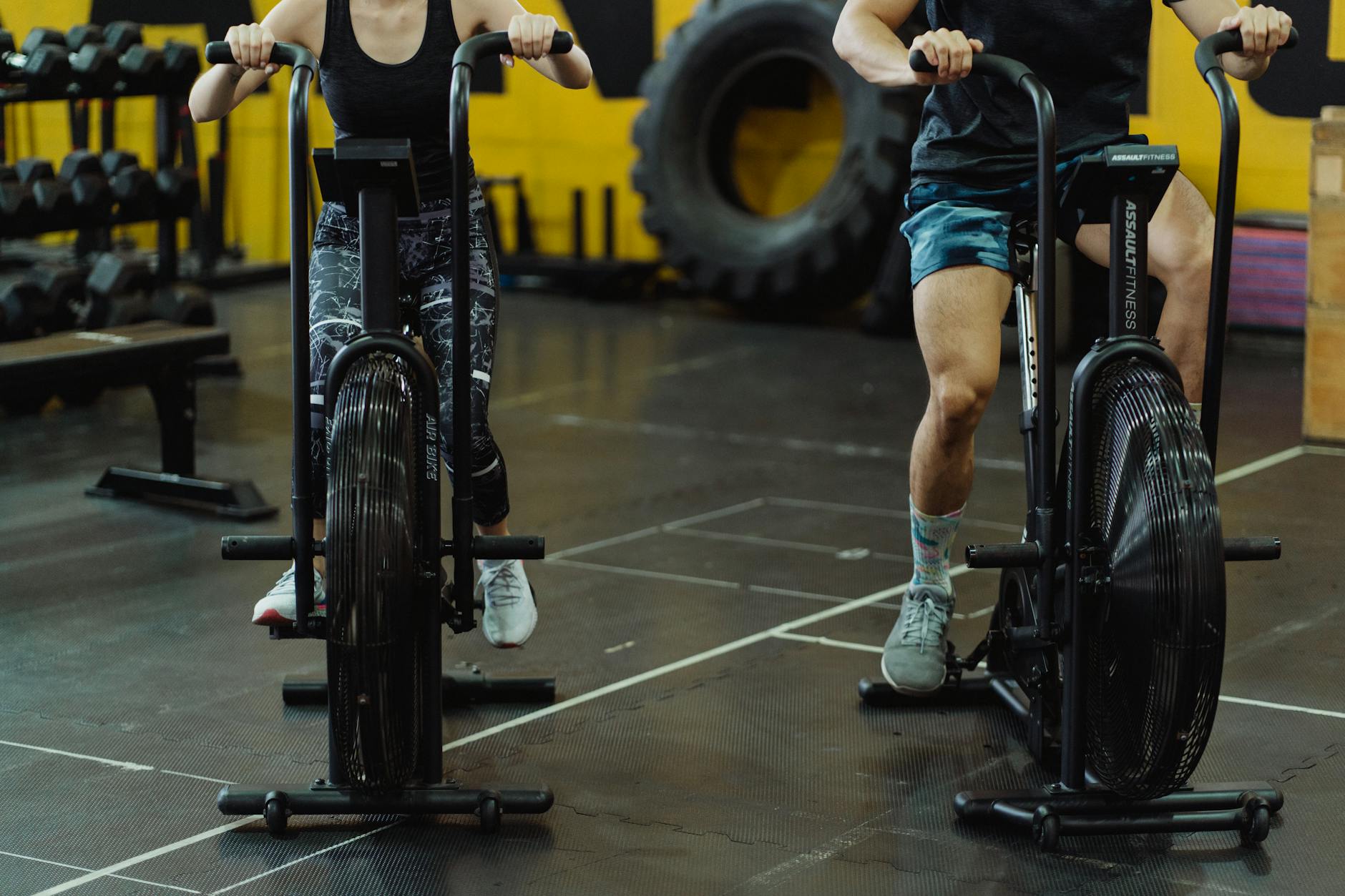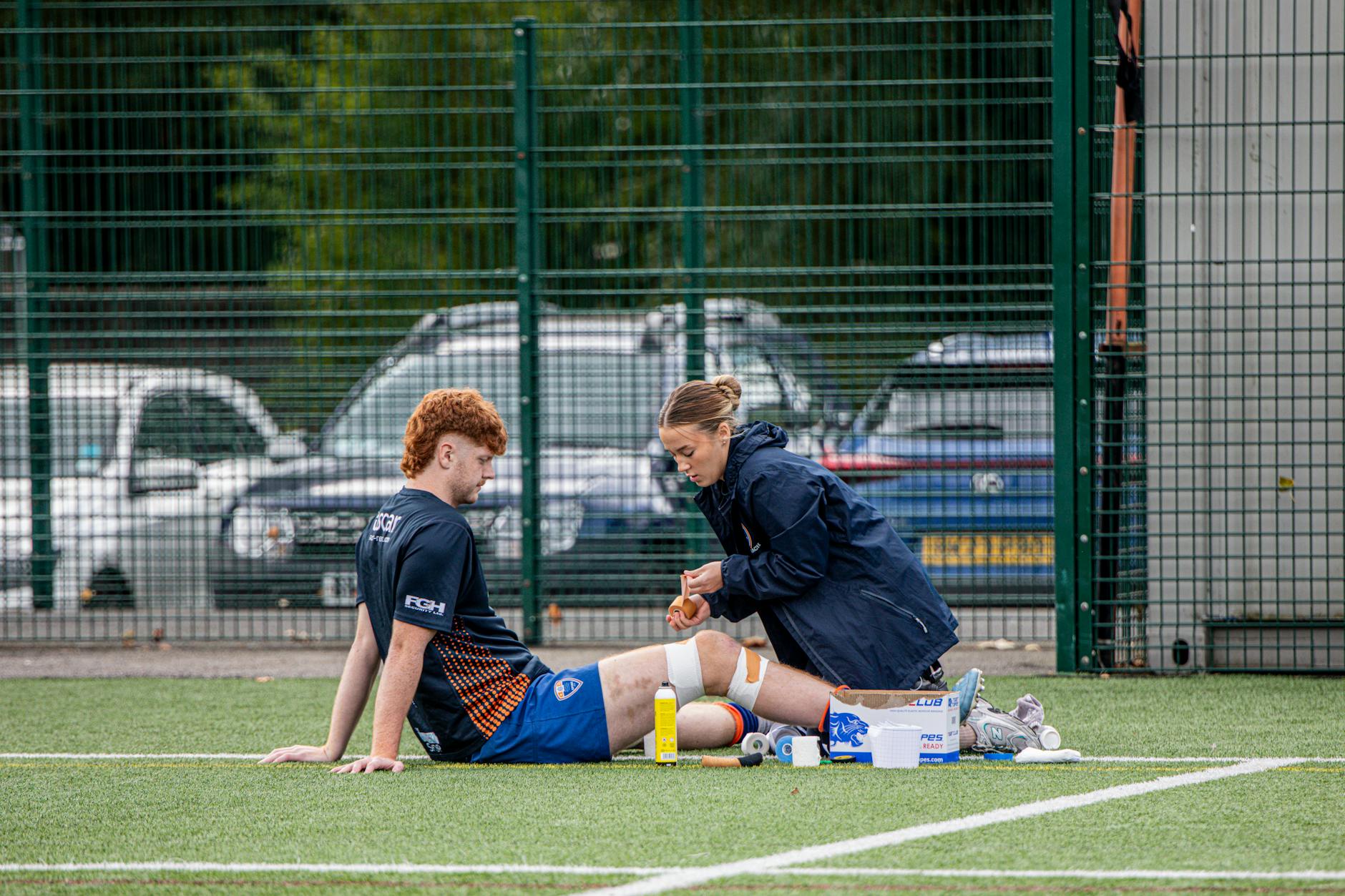
Athletic performance doesn't come from training alone. What you eat, and when you eat it, directly shapes your energy, endurance and recovery. Here are the fundamentals I regularly cover with my athletic patients.
The essential macronutrients
Carbohydrates are the muscle's primary fuel. Pasta, rice, wholegrain bread, sweet potato: these foods supply the glycogen you need for intense effort. An athlete who neglects carbs is cutting off their main energy reservoir.
Protein is essential for muscle repair. After exercise, muscle tissue carries micro-tears that need amino acids to rebuild. Meat, fish, eggs, legumes, aim for 1.6 to 2.2 g per kg of bodyweight per day depending on training load.
Fats play a role in hormone synthesis and vitamin absorption. Favour unsaturated fats (olive oil, avocado, oily fish). Don't cut them out: a very low-fat diet hurts both performance and health.
Timing matters
Before training: eat a carb-rich meal 2 to 3 hours before. If time is short, a small snack (banana, wholegrain toast) 30 to 45 minutes prior is enough.
During training: beyond 60-90 minutes, refuel. Gels, dried fruit, isotonic drinks, the aim is to supply glucose and sustain intensity.
After training: the recovery window is critical in the 30 to 60 minutes post-session. Combine carbs and protein (yoghurt + fruit, protein shake + banana). That's when your muscles are most receptive to nutrients.
Hydration, often underestimated
Dehydration of just 2% of bodyweight reduces performance by 10 to 20%. Drink steadily before, during and after effort. In Tel Aviv summers, where temperatures can exceed 35°C, hydration becomes even more critical.
Micronutrients to watch
Some deficiencies are common in athletes:
- Iron: essential for oxygen transport. Chronic fatigue in athletes often ties back to iron-deficiency anaemia.
- Magnesium: involved in more than 300 enzymatic reactions. A deficit causes cramps and irritability.
- Vitamin D: important for bone health and muscle function. Despite Tel Aviv's sun, many patients come up short.
My approach with athletes
As both a sports coach and osteopath, I often weave nutritional guidance into the care I provide. Nutrition isn't a separate discipline from treatment, it's part of it. A well-nourished athlete recovers faster, trains smarter and gets injured less often.
Whether you're a Sunday runner or a competitor, optimising your nutrition is one of the most accessible levers for progress. Feel free to come in for a personal review.