Osteopathy is gaining ground in Israel, but many patients still arrive without really knowing what to expect. What does an osteopath actually do? What is it for? How does a session unfold? Here's everything you need to know before booking in Tel Aviv.
What is osteopathy?
Osteopathy is a form of manual medicine founded in the late 19th century by American physician Andrew Taylor Still. Its founding principle: the body has an innate capacity to heal itself, and mobility restrictions in the tissues (muscles, fascia, joints, organs) disrupt that capacity.
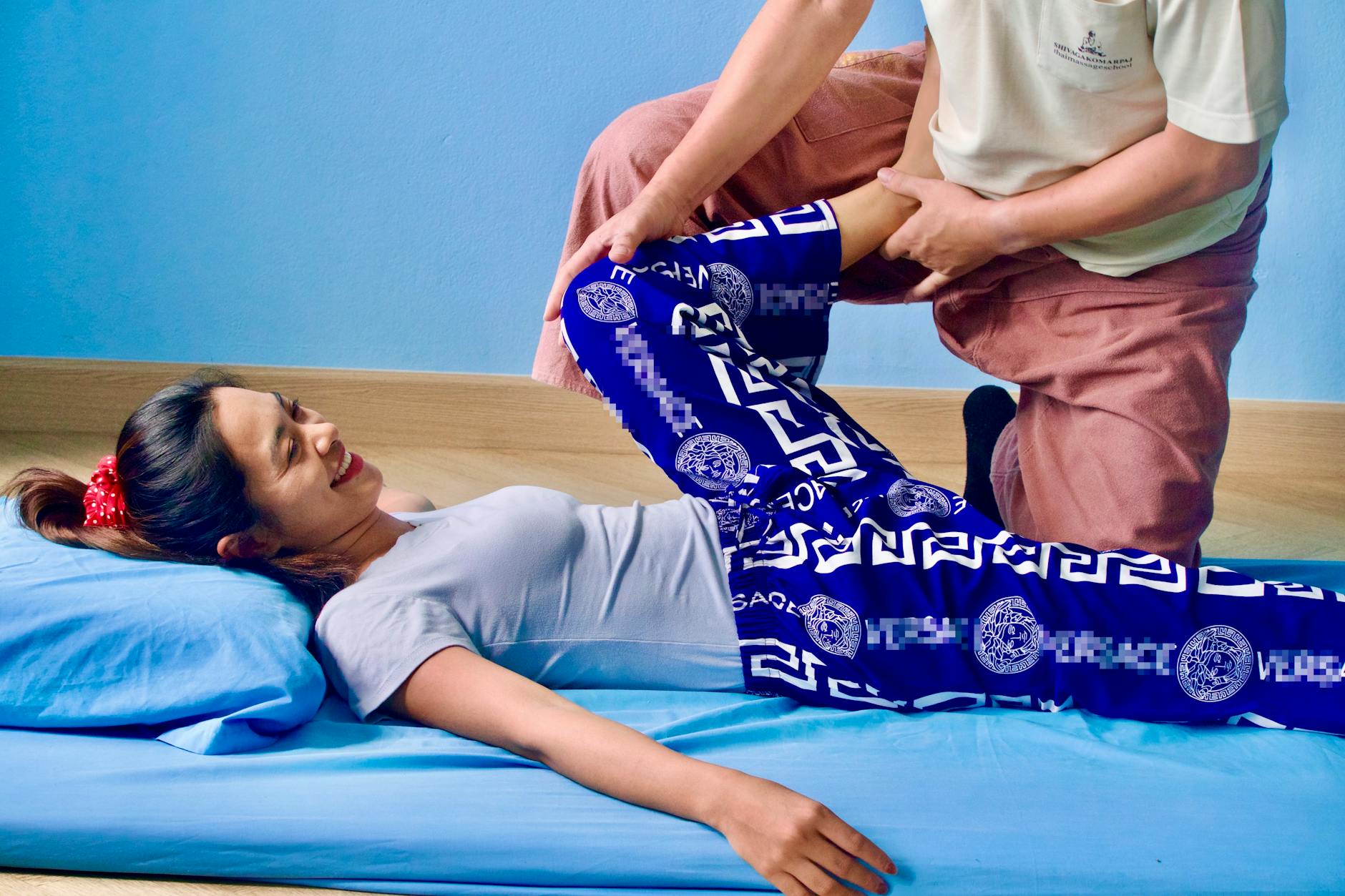
The osteopath identifies these restrictions through palpation and releases them using a variety of manual techniques: joint manipulation, mobilisation, myofascial work, cranial osteopathy. The aim is to restore mobility and help the body find its balance again.
Most common reasons for consultation
The patients I see in Tel Aviv mostly come in for:
- Musculoskeletal pain: back pain, neck pain, low back pain, shoulder, knees
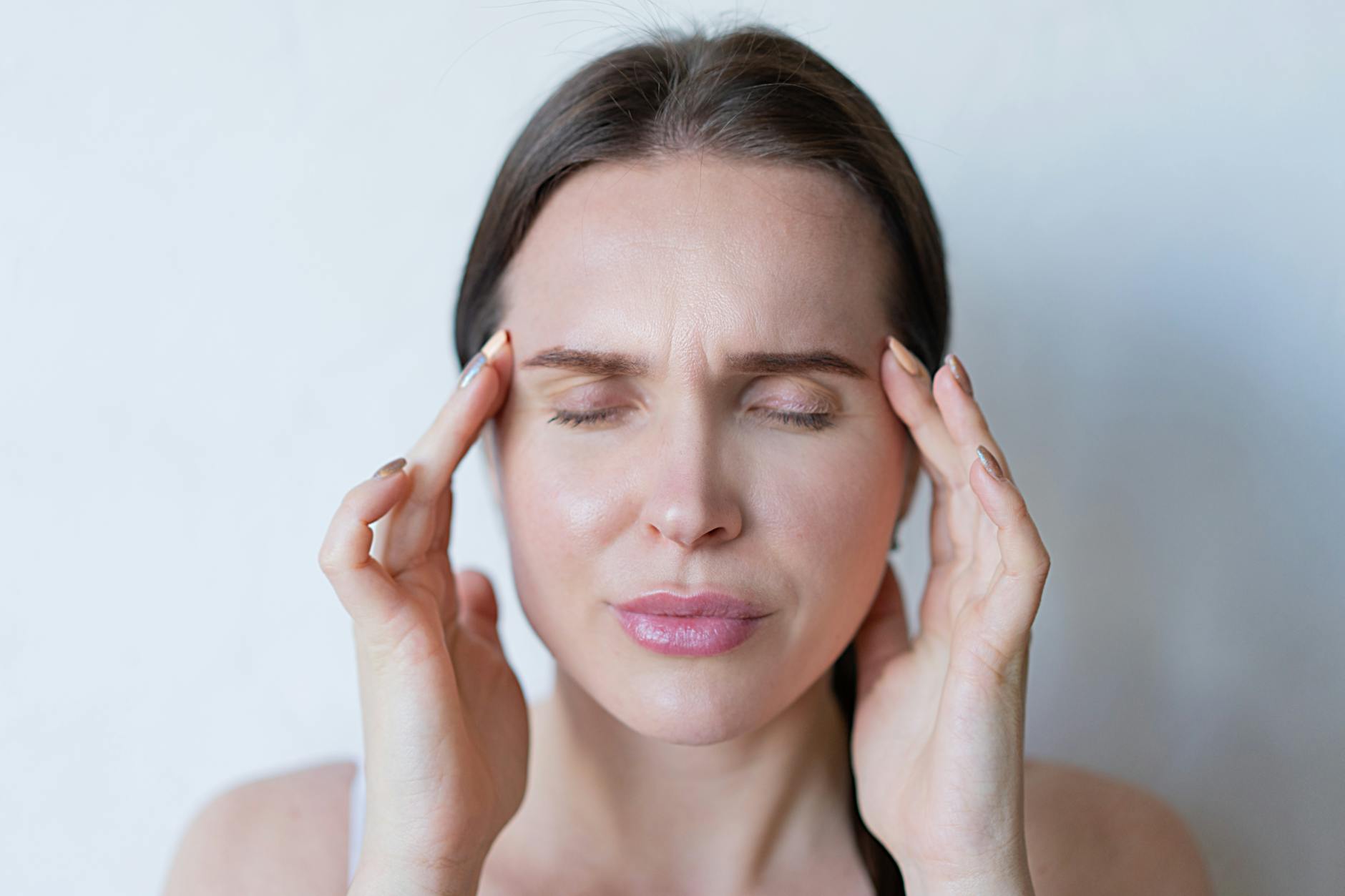
- Headaches and migraines: often linked to cervical or cranial tension
- Stress and chronic tension: craniosacral osteopathy has a marked effect on the autonomic nervous system
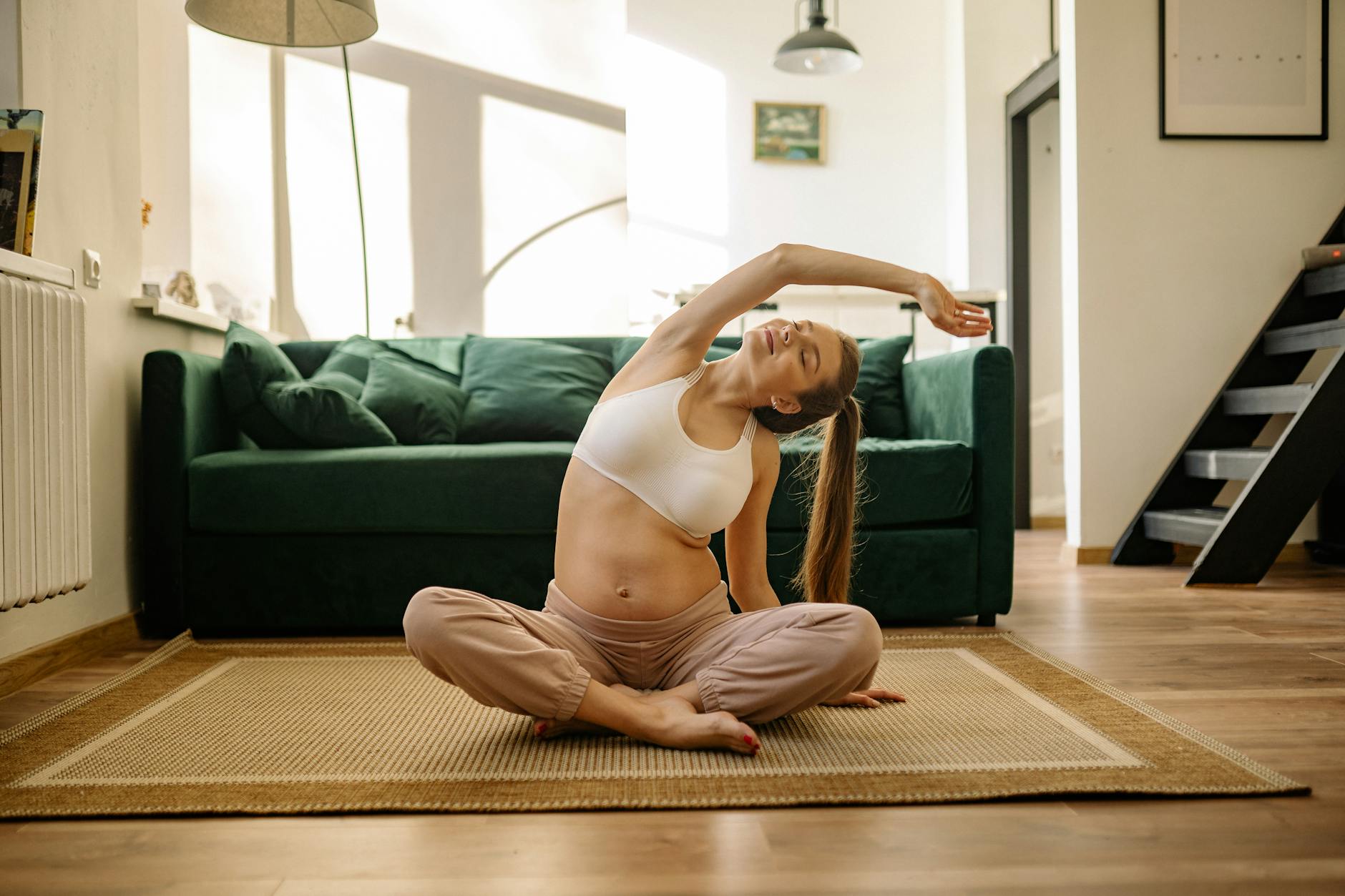
- Pregnancy care: postural adaptation, birth preparation, postpartum
- Sports follow-up: prevention, recovery, injury treatment
- Infants: sleep issues, colic, plagiocephaly
How a consultation unfolds
History taking (15 minutes): we start with an in-depth conversation. I ask about your pain, its history, your medical background and lifestyle. This step is essential, understanding the broader context is crucial for effective osteopathic care.
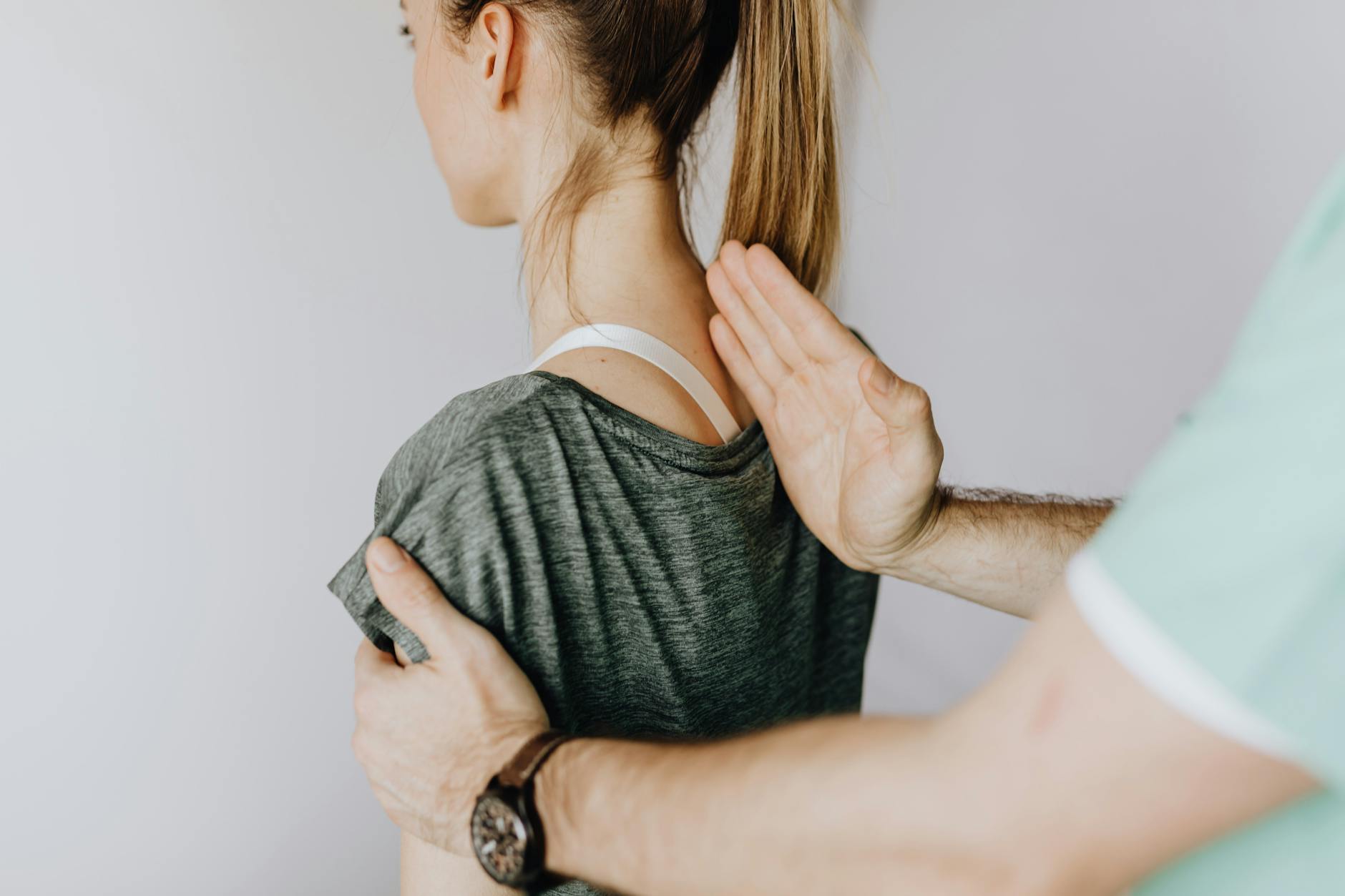
Clinical examination (10 minutes): standing then lying down, I assess your posture, joint mobility and tissue quality. Palpation lets me identify restricted areas.
Treatment (20 minutes): based on my findings, I apply the appropriate techniques. Some are direct (manipulations), others gentler (cranial, myofascial). I explain what I'm doing and why.
Summary and advice (5 minutes): at the end of the session I share my observations and give you advice, exercises, postures, lifestyle recommendations where needed.
How many sessions will you need?
It depends on the nature and age of the problem. For a recent acute issue, 1 to 3 sessions are often enough. For chronic pain that has been there for years, longer follow-up is needed. I prefer to be honest and transparent about this from the first consultation.
Osteopathy and conventional medicine
Osteopathy isn't an alternative to medicine, it's a complement. I work alongside doctors, physiotherapists and other healthcare professionals. If imaging (MRI, X-ray) or a specialist consultation is needed, I refer you without hesitation.
Coming to see me in Tel Aviv
My practice is at 6 Hovevei Tsion, Tel Aviv, a few minutes' walk from the sea. I consult Sunday to Friday, 9:30am to 8:30pm. Whether you speak French, English or Hebrew, we can communicate in your language.
Book directly through the contact form or via WhatsApp, I try to reply within 24 hours.