More people than ever are turning to osteopathy, and for good reason. As a hands-on, whole-body approach to health, osteopathy addresses not just symptoms but their underlying causes. If you've never tried it, or if you're wondering whether it's right for you, here's what you need to know.
What makes osteopathy different?
Osteopathy was founded in the late 1800s by American physician Andrew Taylor Still, based on a simple but powerful idea: the body has an innate capacity to heal itself, and when mobility is restricted in any tissue, muscle, joint, fascia, or organ, that capacity is compromised.
Unlike conventional medicine, which often treats symptoms in isolation, osteopathy takes a global view. An osteopath examines the whole body, looking for interconnections between areas of restriction and areas of pain. Your lower back pain may be linked to a stiff hip. Your headaches may stem from neck tension that began after a minor car accident years ago.
This systemic thinking is what sets osteopathy apart.
What can osteopathy treat?
Osteopathy is evidence-supported for a range of conditions:
Musculoskeletal pain, back pain, neck pain, shoulder pain, sciatica, joint pain. These are the most common reasons patients come to see me.
Headaches and migraines, many headaches have a cervical component. Releasing tension in the neck and cranial structures can provide lasting relief.
Stress and chronic tension, the osteopathic approach includes craniosacral techniques that have a calming effect on the nervous system, helping to reduce the physical manifestations of chronic stress.
Sports injuries and performance, osteopathy helps athletes recover faster, maintain better biomechanics, and reduce the risk of re-injury.
Pregnancy and postpartum, the body undergoes significant structural changes during and after pregnancy. Osteopathy supports adaptation and recovery.
Infants, colic, sleep issues, plagiocephaly (asymmetric head shape) and feeding difficulties can all respond well to gentle osteopathic treatment in newborns.
What to expect during a session
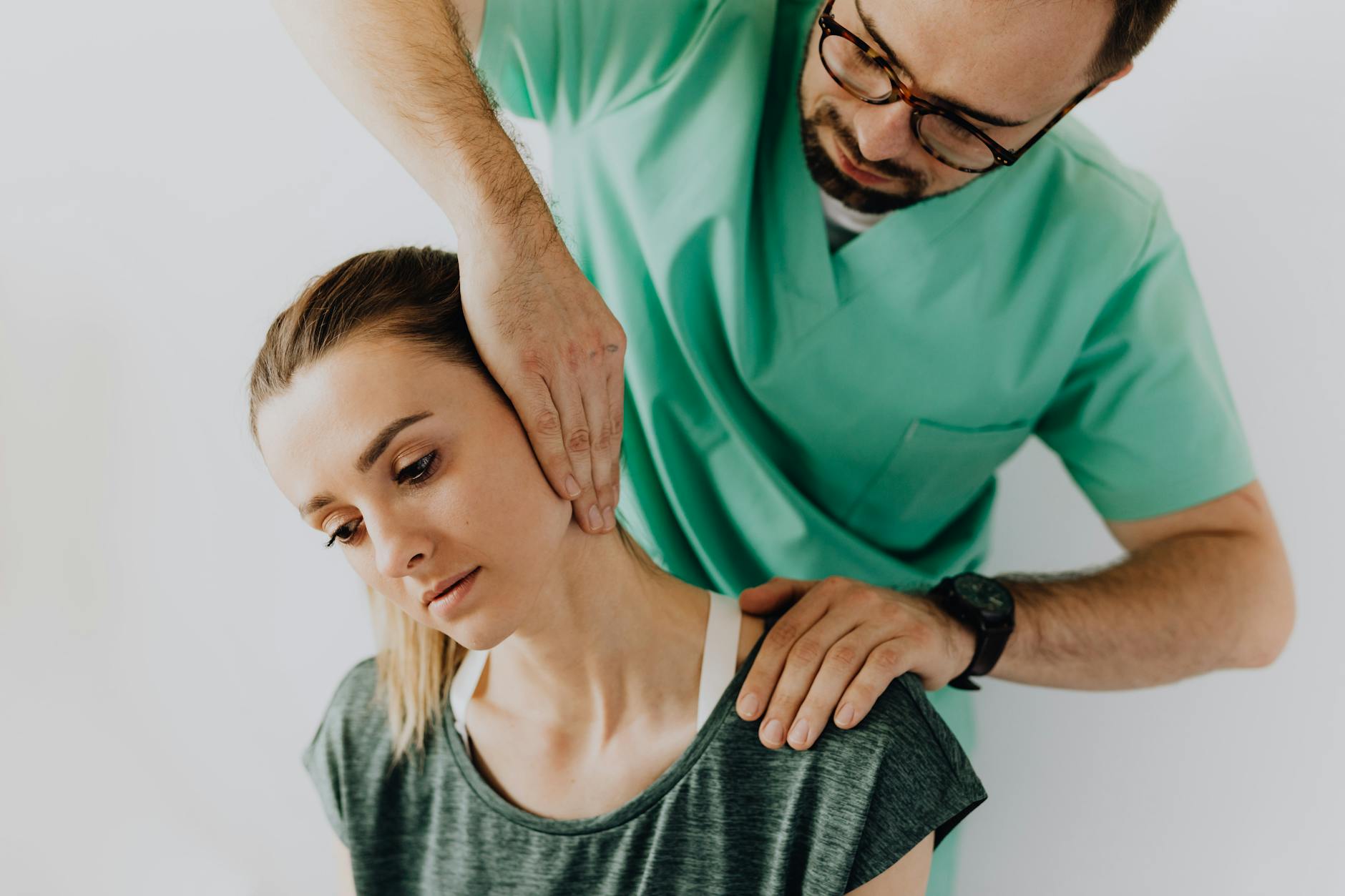
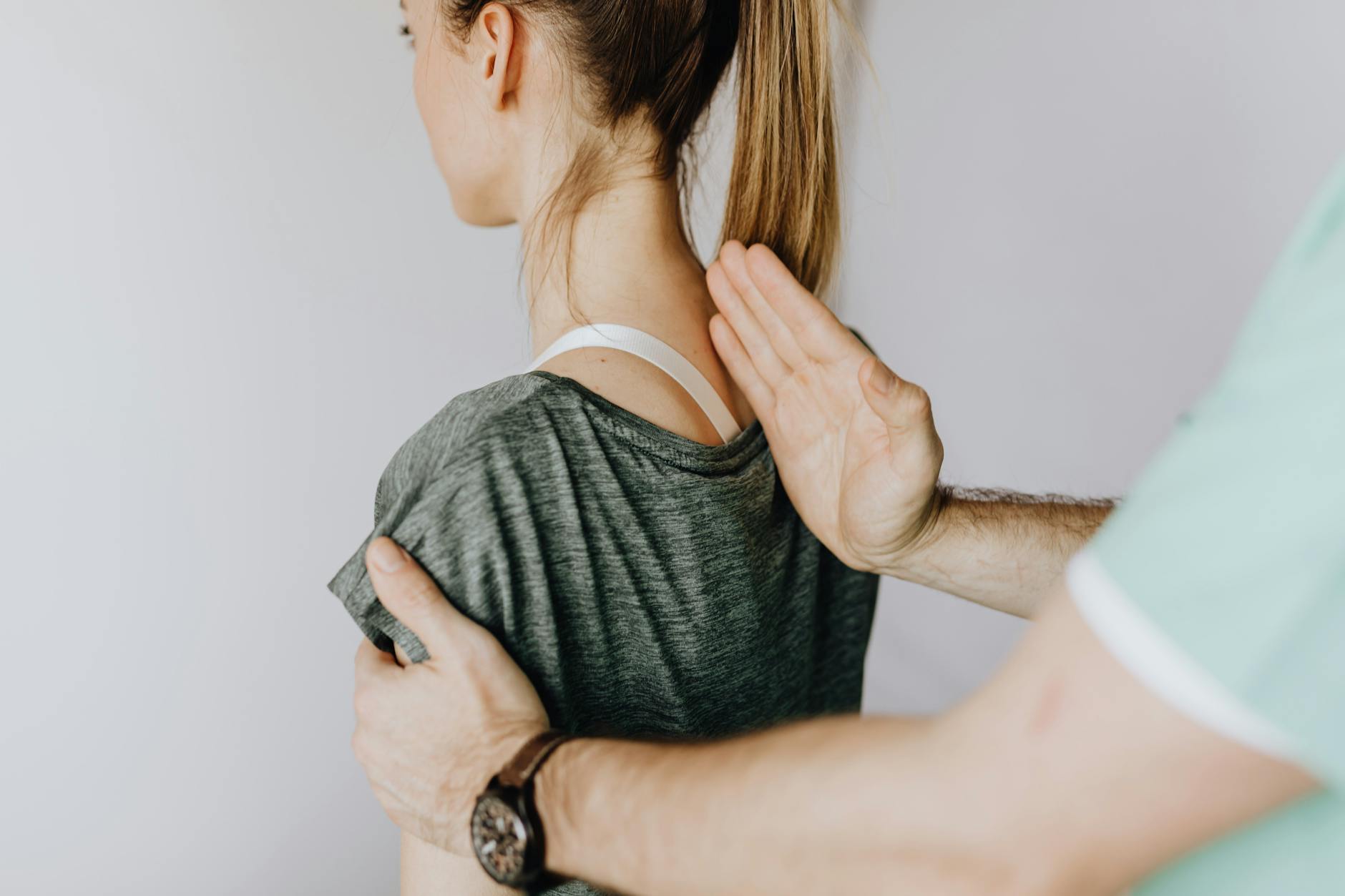
A first consultation typically lasts 45 to 60 minutes. We begin with a detailed conversation about your health history, lifestyle, and goals. Then I perform a physical examination, observing your posture, testing your mobility, and palpating tissues to identify areas of restriction.
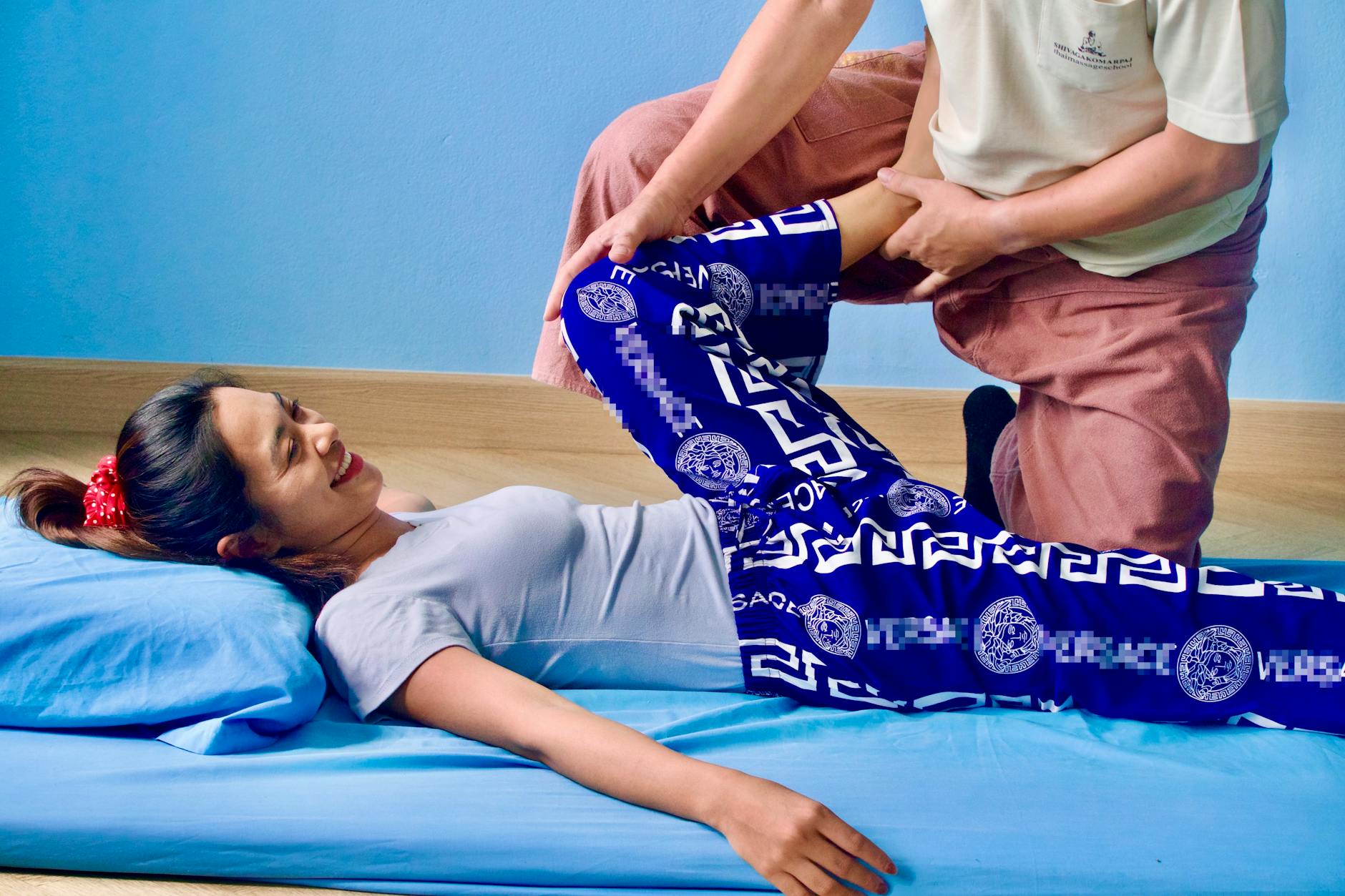
The treatment that follows is adapted to your specific findings. It may include joint mobilization, soft tissue release, myofascial techniques, or craniosacral work. Some techniques are dynamic; others are extremely subtle and gentle.
You may feel immediate relief, or a mild soreness that resolves within 24-48 hours. Most patients report feeling lighter, more mobile, and less tense after a session.
How many sessions do you need?
For acute problems (recent injury, sudden onset pain), 1 to 3 sessions is often sufficient. Chronic conditions, pain that has been present for months or years, typically require more sessions, spaced out over a longer period. I always discuss realistic expectations at the first appointment.
Osteopathy and conventional medicine
Osteopathy works best as a complement to conventional medicine, not a replacement. I work alongside GPs, physiotherapists, and other healthcare providers. If I believe you need imaging or a specialist referral, I will say so directly.
Ready to book?
My practice is located at 6 Hovevei Tsion, Tel Aviv. I see patients Sunday through Friday, 9:30 AM to 8:30 PM. Sessions are conducted in French, English, or Hebrew, depending on your preference.
If you have questions or want to discuss whether osteopathy is right for your specific situation, feel free to reach out via WhatsApp or the contact form. I'm happy to help.