Back pain is one of the most common complaints in medicine. It reaches people of every age and profession. Yet it's often still poorly understood, and therefore poorly treated.
Understanding your pain
Before any treatment, it helps to tell the different kinds of back pain apart:
- Common lower back pain, pain in the lumbar area, the most frequent form
- Acute pain, sudden onset, often after a bad movement
- Chronic pain, present for more than three months, requires a comprehensive approach
- Radiating pain, pain that travels down the leg, a possible sign of sciatic nerve irritation
The most common causes
Back pain rarely has a single cause:
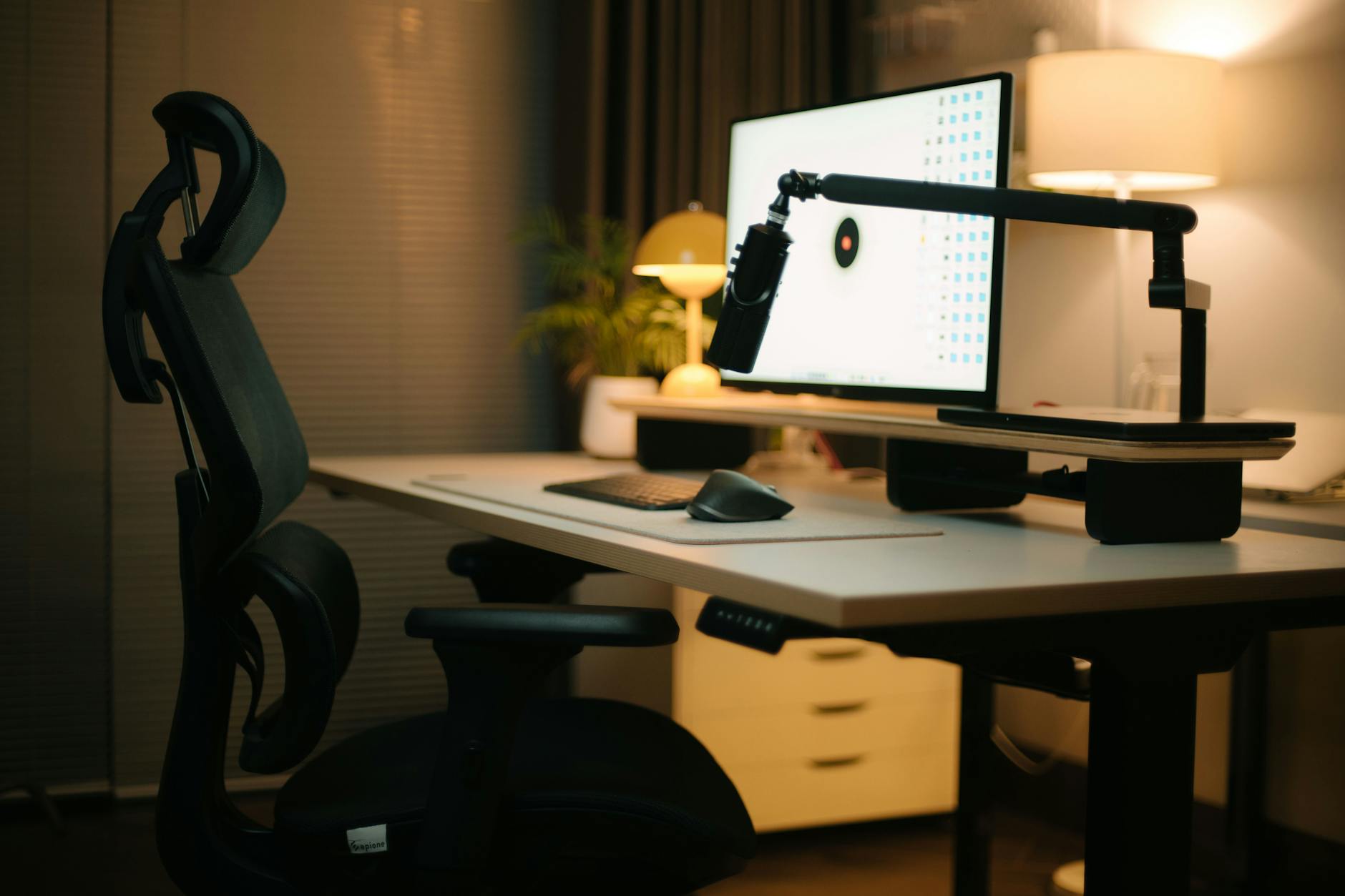
- Posture, long hours seated, poorly positioned screens
- Sedentary lifestyle, weak musculature, stiff fascia
- Stress, emotional tension drives involuntary muscle contraction
- Mechanical imbalance, misaligned pelvis, joint restrictions
The osteopathic approach
Osteopathy doesn't only treat the painful area, it looks for the cause of the cause.
During the consultation I assess your overall posture, the mobility of your spine and pelvis, and the state of the soft tissues. Treatment combines gentle manipulation, myofascial work and, if needed, dry needling for deeper pockets of tension.
What you can do day to day
- Move regularly, avoid sitting for more than 45 minutes
- Strengthen your core, it supports the back from within
- Sleep well, a good position and a suitable mattress change everything
How many sessions?
For recent pain, 1 to 3 sessions are usually enough. For chronic lower back pain, follow-up over several weeks is needed. Don't wait for pain to settle in before seeking help.