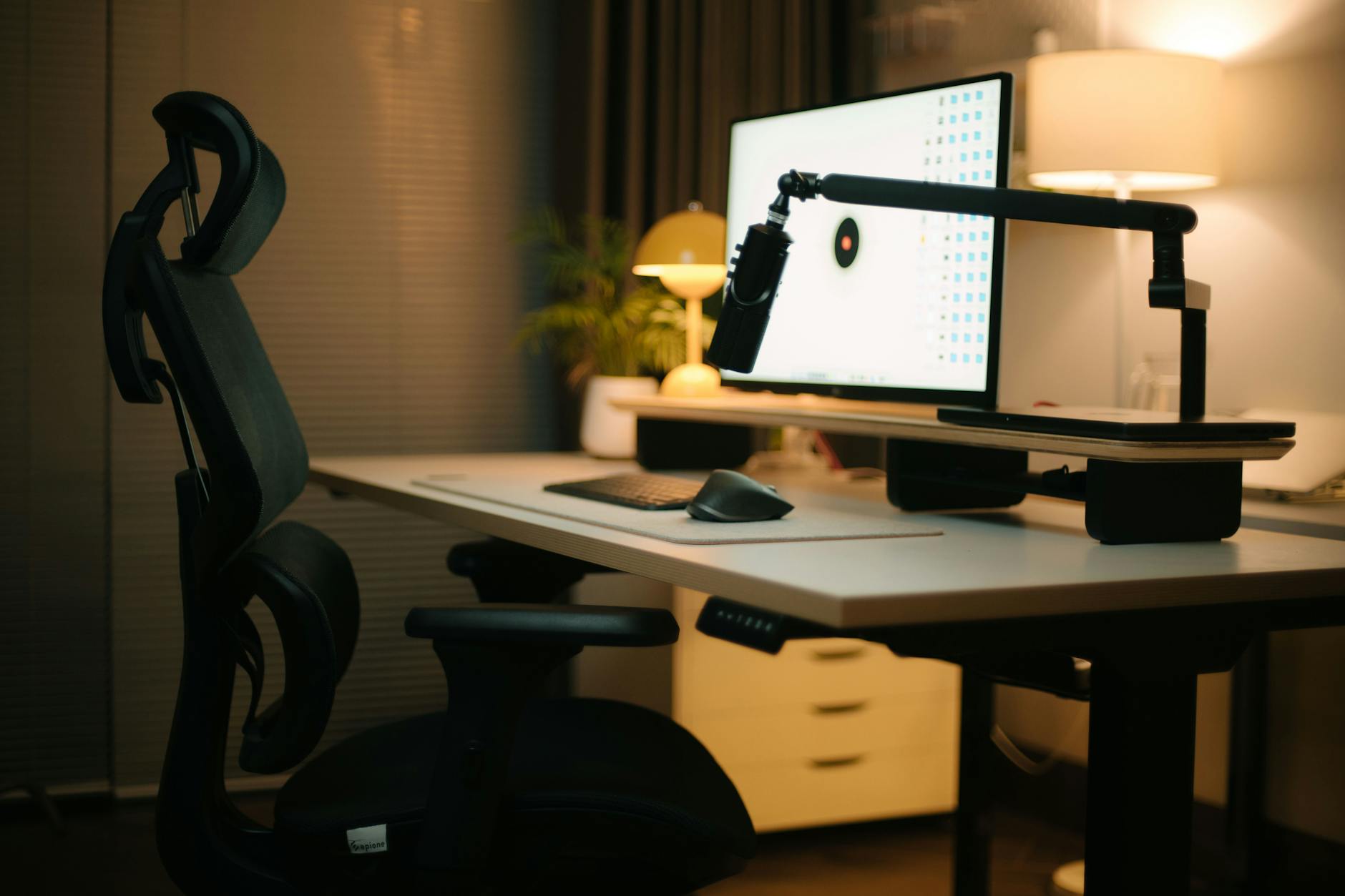
Neck pain affects a large share of the working population, particularly people who spend their days in front of a computer. Often brushed aside as minor, cervical pain can become genuinely disabling.
Why the neck is vulnerable
The cervical spine is the most mobile region of the spine: it carries the weight of the head (around 5 kg) while allowing an impressive range of motion. That mobility comes at a cost, a susceptibility to tension and restrictions.
Common causes of neck pain:
- Forward-head posture, chin tilted toward a screen
- Stress, the trapezius and suboccipital muscles tighten under emotional strain
- Poor sleeping position, pillow too high or too low
- Trauma, whiplash, falls, direct impacts
- Cervical osteoarthritis, gradual wear on discs and joints
The osteopathic assessment
During the consultation, I assess:
- Your range of motion in each direction
- The quality of each cervical segment on palpation
- The state of the trapezius, scalenes and suboccipital muscles
- The relationship between the neck, the skull and the shoulders
This full picture helps pinpoint the real source of your pain.
Techniques used
- Gentle mobilisation of the cervical vertebrae
- Myofascial work on the neck and shoulder muscles
- Passive stretching to lengthen tight muscle chains
- Cranial osteopathy for associated headaches
Workstation tips
- Your screen should be at eye level, not lower
- Elbows should be supported and relaxed
- Take a break every 45 minutes to move your neck
- Perform gentle neck rotations several times a day
Neck pain usually responds very well to osteopathy. Two or three sessions are often enough for a recent issue.