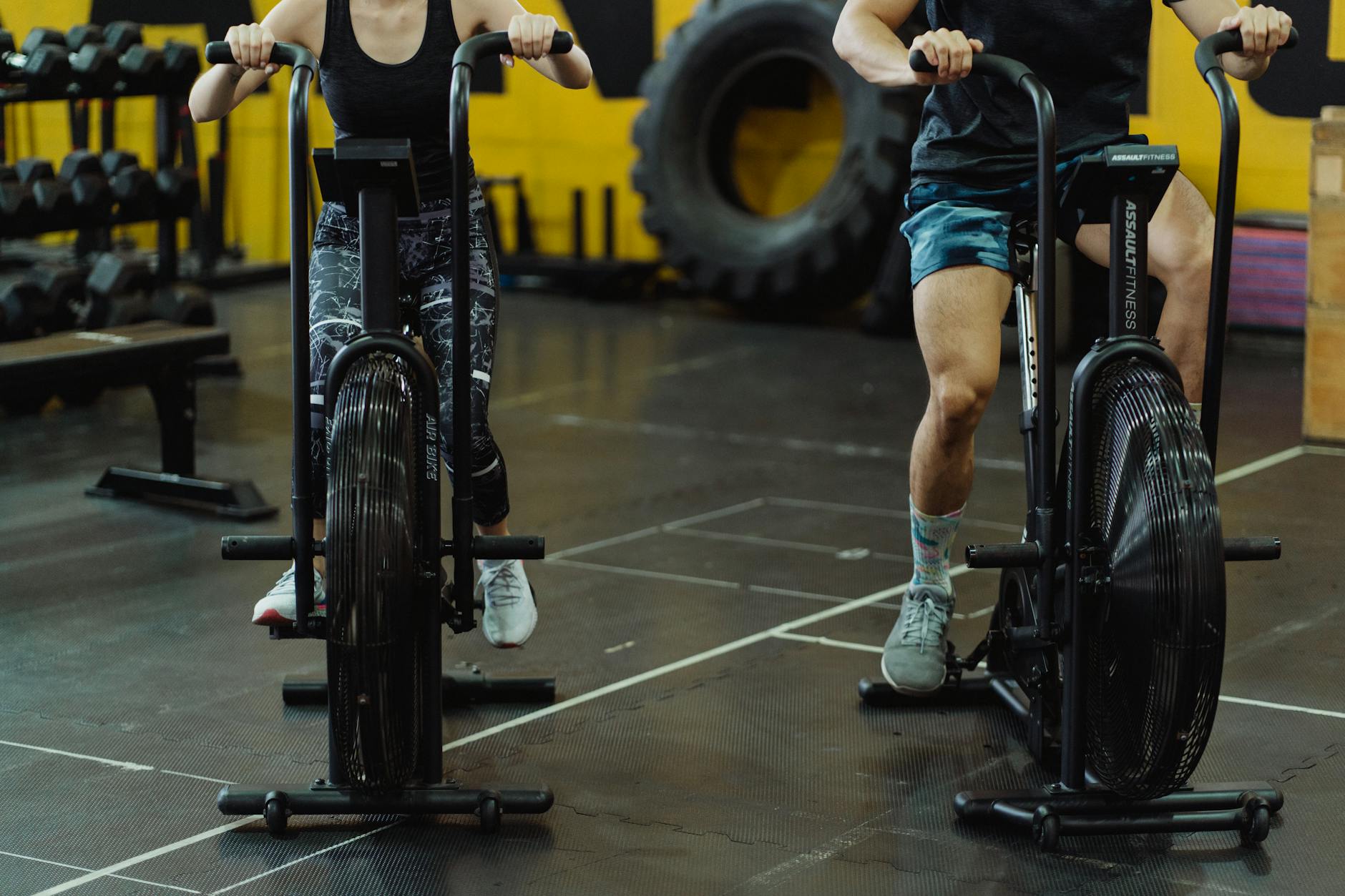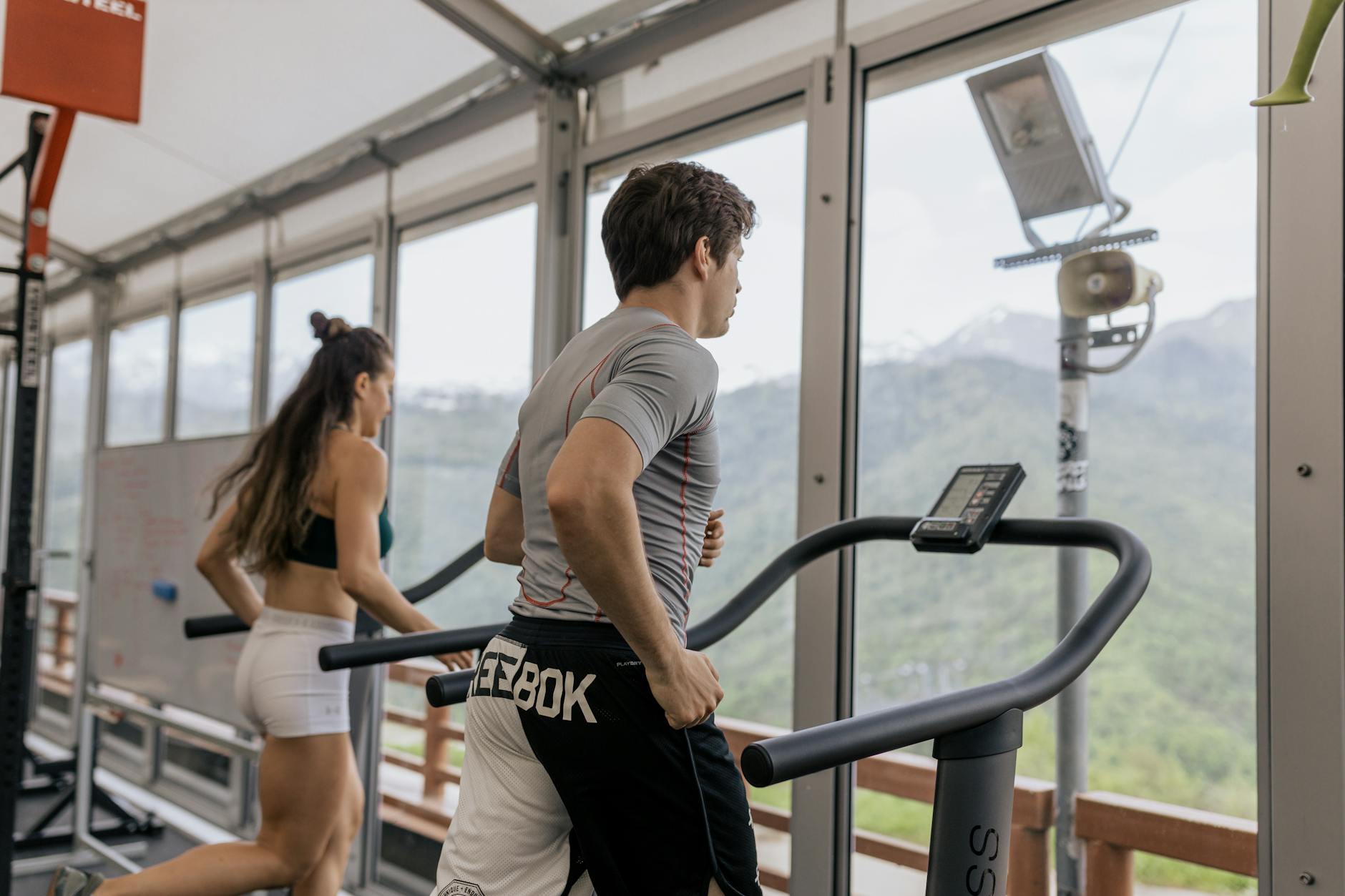
Endurance may be the most fundamental physical quality of all: it underpins cardiovascular health, your ability to sustain effort, and even longevity. Yet many athletes push too hard, too fast, and end up injured. Here's how to build endurance intelligently.
Understanding the aerobic system
Endurance rests on the body's ability to use oxygen to produce energy. The higher your VO2max (maximal oxygen uptake), the longer you can sustain intense effort.
VO2max improves with targeted, progressive training. But it's not just about running longer, quality and variety matter as much as volume.
The three intensity zones
Zone 1, Low intensity (60-70% HRmax): the "easy run". This is where your aerobic base is built. 80% of your training time belongs here. You should be able to hold a conversation while running.
Zone 2, Moderate intensity (70-80% HRmax): tempo territory, uncomfortable but sustainable. Useful but overused, researchers call this the "grey zone": too intense to recover from easily, not intense enough to drive maximal adaptation.
Zone 3, High intensity (>85% HRmax): intervals. Short, demanding sessions that boost VO2max. The remaining 20% of training should live here.
The 10% rule
To avoid overuse injuries (shin splints, runner's knee, plantar fasciitis), never raise your weekly volume by more than 10% from one week to the next. The body needs time to adapt, bones, tendons and ligaments take much longer to strengthen than the cardiovascular system.
Running in Tel Aviv: local specifics
Heat is a major factor in Tel Aviv. Running in 32°C in July is nothing like 18°C in December. Hydrate generously, run early morning or in the evening, and slow your pace on hot days, your heart rate will naturally run higher.
How osteopathy supports endurance
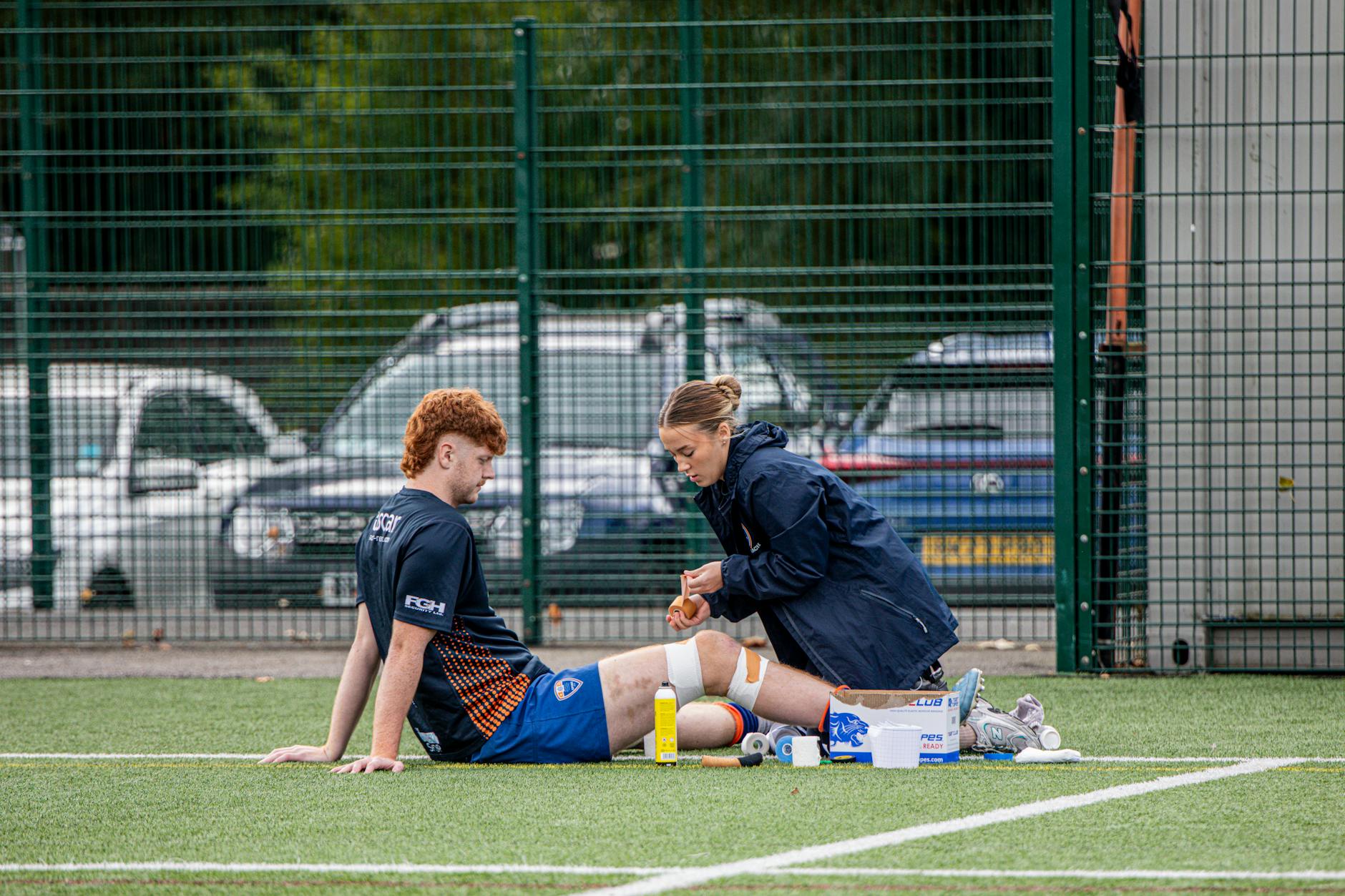
Endurance athletes are especially exposed to overuse injuries. Running generates repetitive impact that can create muscle-chain tension, joint restrictions or postural compensation.
I regularly see runners with:
- Knee pain (IT band syndrome, chondropathy)
- Achilles tendinopathy
- Shin splints
- Lower back pain
Regular osteopathic follow-up helps spot these imbalances before they turn into injury, optimises running biomechanics, and speeds up recovery between sessions.
Combining endurance with strength
A classic runner's mistake: neglecting strength work. Weak glutes, unstable hips or poorly proprioceptive feet are behind many injuries. Adding 2 strength sessions a week improves running economy and cuts injury risk.
If you have a running goal, 10K, half-marathon, marathon, I'd be glad to help you build a suitable programme and follow you osteopathically throughout your preparation.