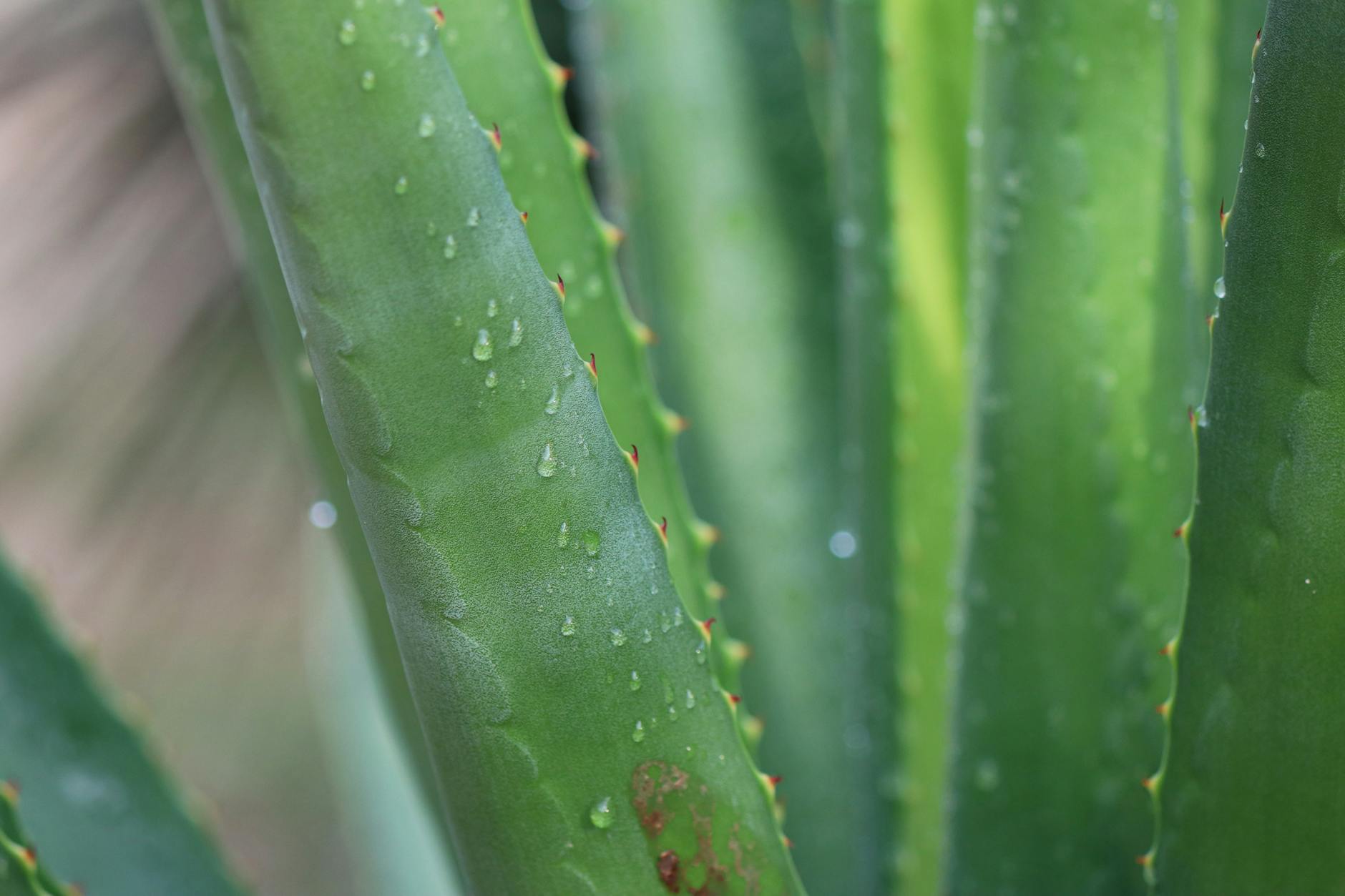
Aloe vera is well known for skin care and digestion. But a team of researchers has now turned their attention to what this plant might do for the brain, and the early findings are intriguing.
Beta-Sitosterol: A Quiet Compound with Unexpected Properties
Aloe vera contains hundreds of active molecules. Among them, beta-sitosterol, a natural plant compound also found in nuts, seeds, and certain oils, has caught researchers' attention.
Using advanced computer modelling, they discovered that this molecule interacts strongly with two enzymes specifically linked to Alzheimer's disease: enzymes that play a central role in breaking down connections between neurons and driving cognitive decline.
In plain terms: beta-sitosterol appears to "latch onto" the very mechanisms that damage memory, and block them.
What the Modelling Shows (and What It Doesn't Yet Prove)
This research relies on computational molecular modelling. It is not yet a clinical trial in humans: scientists are simulating, on a computer, how two molecules interact.
This type of approach is now standard in pharmacology for identifying promising candidates before moving on to biological tests and then human trials. Beta-sitosterol demonstrated:
- Solid molecular stability in simulations
- Strong binding affinity with both target enzymes
- Favourable safety indicators, with no obvious toxic signals
This does not mean that eating Aloe vera prevents Alzheimer's, we are far from that. But it opens a serious and relatively accessible research avenue, since beta-sitosterol is present in many everyday foods.
Why This Matters to Me as an Osteopath
You may be wondering why an osteopath based in Tel Aviv is interested in Alzheimer's research.
The answer is simple: my approach is holistic. The nervous system, brain health, inflammation, posture, everything is connected. I regularly see patients who worry about their cognitive health, who struggle with sleep disorders or chronic stress, or who are caring for loved ones with neurodegenerative diseases.
Keeping up with research allows me to better advise my patients and to place every pain and tension in a broader context.
Osteopathy does not treat Alzheimer's, that goes without saying. But it can contribute to:
- Improving craniosacral circulation and cerebrospinal fluid drainage
- Reducing cervical tension that can affect cerebral blood flow
- Supporting a more balanced nervous system, less overwhelmed by chronic stress
What We Can Take Away Today
Science advances in steps. This discovery about beta-sitosterol in Aloe vera is an encouraging first step, not a definitive solution.
What we can draw from it right now:
- The plant world still holds biologically active molecules we don't yet fully understand
- A diet rich in phytosterols (nuts, seeds, vegetables, olive oil) is associated with numerous benefits for brain and cardiovascular health
- Preventing neurodegenerative disease also involves movement, stress management, and quality sleep, areas where osteopathy can play a supportive role
If you'd like to take care of your overall health, body and nervous system alike, I invite you to book a consultation in Tel Aviv. Together, we can build a preventive, personalised approach.