Why Some Pain Lingers for Months: The Brain's Hidden Chronic Pain Switch
Researchers have identified a small brain region — the CGIC — that may act as a switch deciding whether pain fades or becomes chronic. Here's what it means for your body and your care.
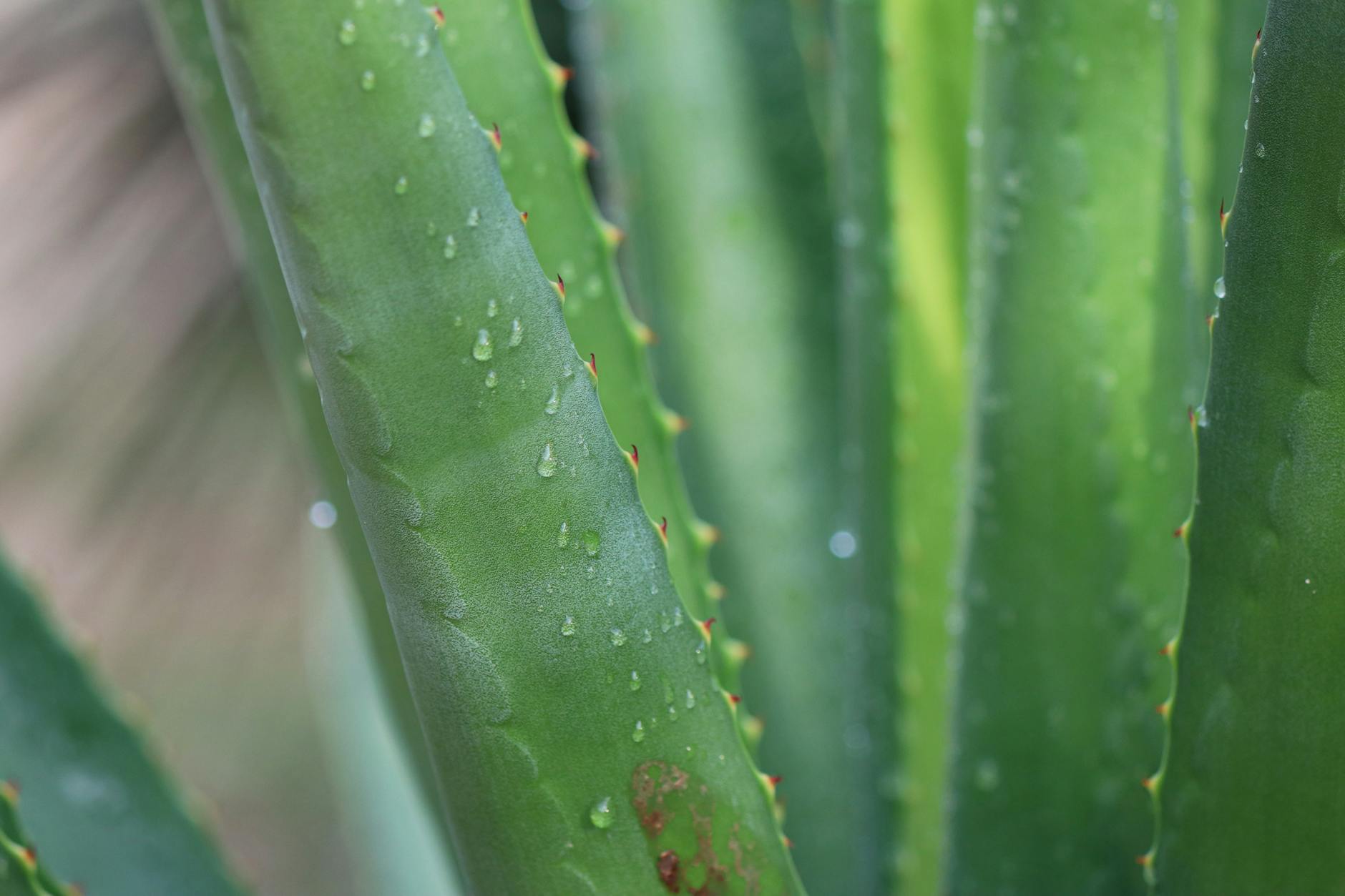
Aloe Vera and Alzheimer's: What Science Is Beginning to Uncover
Researchers have identified a natural compound in Aloe vera — beta-sitosterol — that may interact with key enzymes involved in memory loss. A promising, still early-stage discovery.
Chronic Pain Has a Neural Switch: What the Latest Brain Science Teaches Us
Scientists have identified Y1 receptor neurons in the brain that can override chronic pain signals when survival instincts take over — a breakthrough with real implications for pain treatment.
A Drug-Free AI Implant for Chronic Pain: What the Latest Research Means for You
Engineers at USC and UCLA have developed a wireless, battery-free AI-powered implant that reads brain signals and delivers real-time pain relief — with no opioids required.
Psilocybin and Chronic Pain: What New Brain Research Reveals
A new study shows a single dose of psilocybin may calm brain circuits linked to both pain and depression — with no addiction risk. A promising window into chronic pain.
The Brain's Chronic Pain Switch: What New Neuroscience Means for Osteopathy
Scientists have identified a tiny brain region that decides whether pain fades or becomes chronic — a finding that reshapes how we understand and treat long-term pain.