When a joint is injured, knee, hip, shoulder, the body triggers an inflammatory response to start healing. But sometimes, that inflammation never switches off. It lingers, cycles, and slowly damages cartilage from within. This is one of the central mechanisms behind osteoarthritis. Researchers at the University of Alabama in Huntsville have just published an encouraging finding: low-intensity continuous ultrasound may be able to "reprogram" the immune cells driving this destructive spiral.
What Macrophages Do Inside Your Joints
Macrophages are immune cells found throughout the body. In a joint, they play a critical, but double-edged, role.
Simplifying somewhat, they exist in two main states:
- The inflammatory state (often called M1): macrophages attack, release pro-inflammatory molecules, and can damage surrounding tissue if this process goes on too long.
- The repair state (often called M2): macrophages promote wound healing, tissue rebuilding, and the calming of inflammation.
After a joint injury or in early arthritis, the balance too often tips toward the inflammatory side, and stays there. That's where this new technology steps in.
Ultrasound as a Reset Button
The researchers applied continuous low-intensity ultrasound to inflamed joints and observed something remarkable: macrophages locked in a pro-inflammatory state began transitioning toward a repair-promoting profile.
In practical terms, this means the joint, instead of continuing to self-destruct, receives a signal to start rebuilding.
This treatment is:
- Non-invasive, no needles, no incisions
- Painless, patients feel only a mild warmth or vibration
- Targeted, applied directly to the affected area
The published results are still based on laboratory studies, but they open a very concrete clinical pathway for the early management of osteoarthritis.
Why Early Intervention Changes Everything
One of the most important aspects of this research is the word early. Ultrasound treatment appears particularly promising for intervening before arthritis is fully established, right after a joint injury, or at the first signs of chronic inflammation.
We've known for a long time that a knee or ankle injury, even one that appears well-treated, significantly raises the risk of arthritis in the years that follow. I see this regularly in my practice: patients who come in for something else and, on questioning, reveal an old sprain that was never fully rehabilitated.
If therapeutic ultrasound could one day be used routinely to stop residual inflammation after injury, it would represent a genuine paradigm shift in musculoskeletal prevention.
Osteopathy in This Context: Restoring Mobility to Limit Inflammation
Even if this technology isn't yet in routine clinical use, it fits perfectly into a philosophy I deeply share: act early, address the root cause, and don't wait for pain to become chronic.
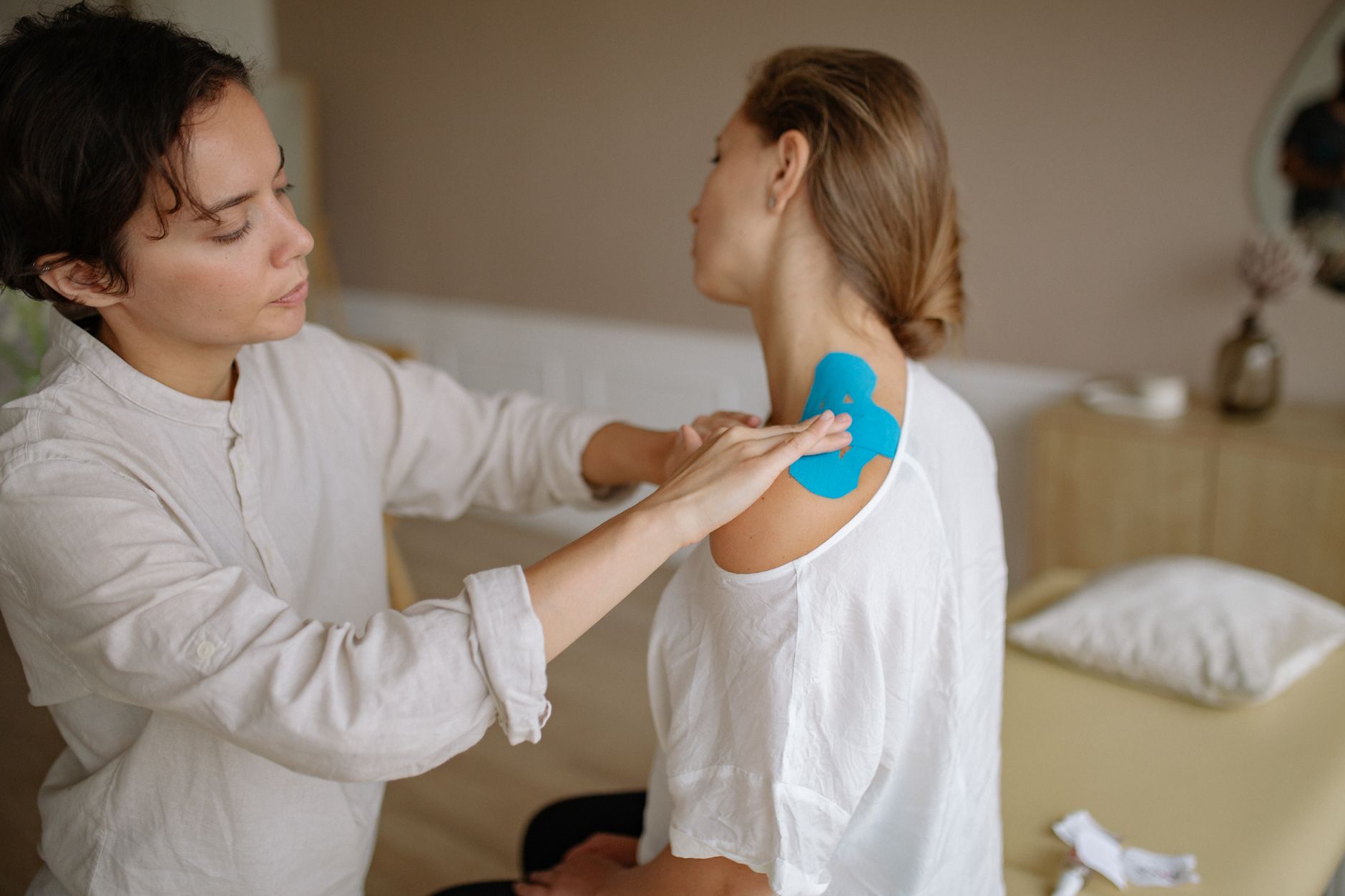
In osteopathy, my work is precisely to identify restricted joint mobility, areas where movement is limited, where tissues are under abnormal tension, and to release those restrictions before they sustain persistent inflammation.
Several mechanisms converge here:
- A joint that moves well is better vascularised and better nourished.
- Chronic fascial tension can maintain a local inflammatory state.
- Restoring normal mobility supports the natural work of repair cells, like those M2 macrophages.
Therapeutic ultrasound and osteopathy are not in competition. They work on complementary levels of the same problem.
Taking Care of Your Joints Before It's Too Late
Osteoarthritis affects hundreds of millions of people worldwide, yet it's still widely seen as an inevitable consequence of aging. Research is progressively showing us that it isn't inevitable, it's often the result of poorly managed inflammation over time.
Whether you've had a recent injury, feel diffuse joint aches, or simply want to protect your joints from the effects of time, there are practical, gentle approaches to take action now.
If you'd like to assess your joint mobility and explore what osteopathy can do for you, I welcome you for a consultation in Tel Aviv. Together, we can build a preventive strategy tailored to your body and your lifestyle.