Osteoarthritis is often presented as inevitable: cartilage wears down, pain sets in, and surgery eventually becomes unavoidable. But a recent discovery from Stanford Medicine researchers is challenging that assumption. By blocking a specific protein linked to cellular aging, they managed to reverse cartilage loss and prevent arthritis from developing after a knee injury.
As an osteopath, I follow this kind of research closely. It reinforces what I observe every day in my practice: the body has far greater repair capacity than we give it credit for.
What the Researchers Found
The study, conducted in aged animal models and injured joints, showed that by inhibiting an aging-related protein, it was possible to:
- Restore healthy, shock-absorbing cartilage
- Significantly improve joint movement and function
- Prevent arthritis progression following a knee injury
Researchers also tested human cartilage samples from knee replacement surgeries. The results were similar: cartilage cells began to regenerate when the protein was blocked.
This is not yet a clinically available treatment, but the pathway is promising, and the implications for millions of patients worldwide are considerable.
Why This Matters for Understanding Osteoarthritis
Osteoarthritis is not simply mechanical wear and tear. It is a complex biological process influenced by:
- Local joint inflammation
- Cellular aging (senescence) that prevents cells from renewing properly
- Load imbalances on cartilage, worsened by poor posture or old injuries
This study highlights the key role of cellular aging in cartilage degradation. By targeting this mechanism, it may become possible to stop, or even reverse, the arthritic process.
What Can Be Done Right Now
While these treatments are still being developed, several approaches have already proven effective for preserving and supporting cartilage:
- Regular, adapted movement nourishes cartilage by circulating synovial fluid, its only nutritional source
- Reducing joint overload through correct alignment of the pelvis, hips and knees
- Strengthening stabilizing muscles around the joint to reduce cartilage stress
- Natural anti-inflammatory habits: quality sleep, stress management, and a balanced diet all have a real impact on joint inflammation
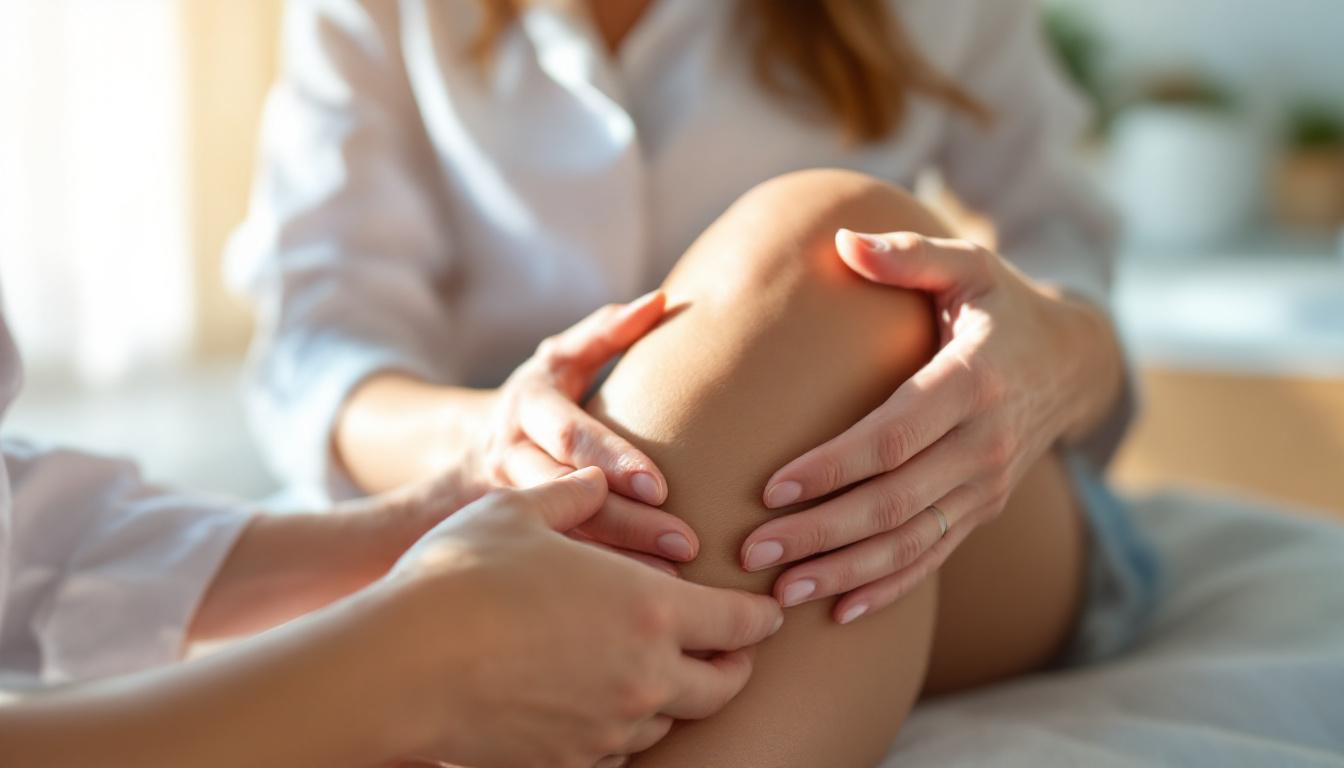
Osteopathy works directly on the mechanical imbalances and mobility restrictions that accelerate cartilage degradation. Restoring smooth, harmonious movement across joint chains means protecting cartilage surfaces over the long term.
What This Changes in My Practice
This research reinforces a core belief of mine: treating osteoarthritis means acting early and comprehensively.
Waiting until pain becomes unbearable, or until a radiologist reports advanced arthritis, means allowing the window for action to slowly close. Working at the first signs, morning stiffness, discomfort going down stairs, an asymmetrical gait, can significantly slow the progression.
Patients I see in Tel Aviv for knee or hip pain receive a full mechanical assessment. I evaluate compensations, address mobility restrictions, and guide them toward exercises adapted to their specific situation.
Taking Care of Your Joints Is an Investment in Your Future Mobility
Cartilage regeneration through science is the future. But taking care of your joints today is entirely possible, and it is the best insurance for staying mobile tomorrow.
If you are experiencing joint pain, persistent stiffness, or would simply like to assess the state of your joints before symptoms worsen, I invite you to book a consultation at my practice in Tel Aviv. An osteopathic assessment can make a real difference.