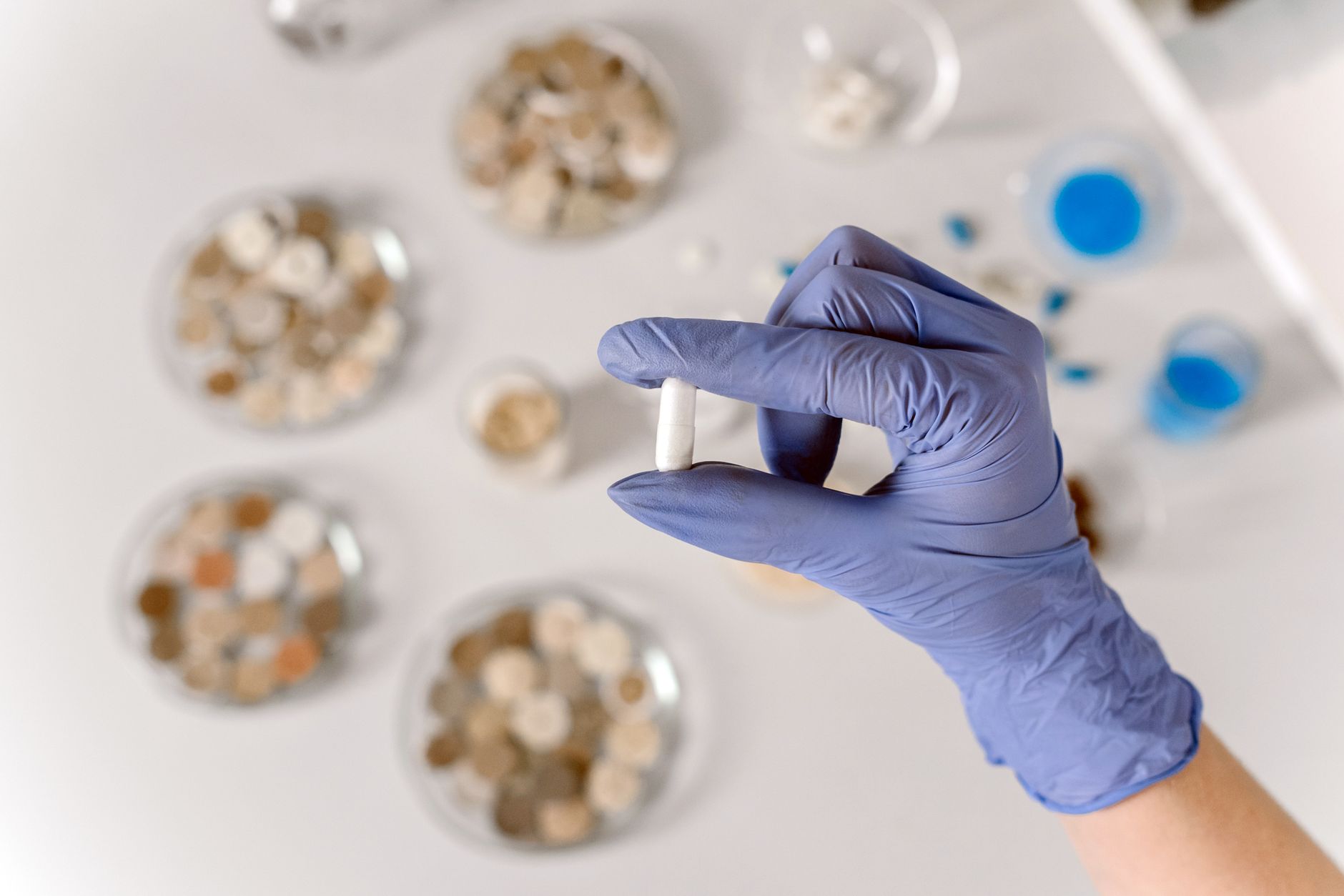
Osteoarthritis affects hundreds of millions of people worldwide, and managing its pain remains a daily challenge. Anti-inflammatory drugs offer temporary relief but do nothing to slow the disease itself. A new development from SereNeuro Therapeutics opens a promising path: a reprogrammed stem cell therapy designed to absorb pain signals directly within the affected joint.
How Does This Therapy Work?
Researchers developed a therapy called SN101, using nociceptive cells derived from induced pluripotent stem cells (iPSCs). These lab-grown cells work like biological pain sponges.
Rather than blocking pain pathways throughout the whole body, as conventional painkillers do, with their well-known side effects, these cells are injected into the joint and locally absorb the inflammatory molecules responsible for pain.
The key distinction: they capture pro-inflammatory factors without themselves sending pain signals to the brain. Beyond this sponge-like role, they also release regenerative molecules, which may help slow cartilage breakdown.
What the Preliminary Results Show
The results presented are still at an early stage, but are encouraging on several fronts:
- Reduced pain perception in experimental osteoarthritis models
- Protection of cartilage tissue, with an observed slowdown in its degradation
- No impairment of normal sensations, unlike classical analgesics that can blunt other perceptions
- A potential to be both a pain reliever and a disease modifier, an extremely rare combination in this indication
This is described as a first-in-class approach, meaning no comparable treatment currently exists on the market.
Why This Matters for My Patients
As an osteopath, I regularly see patients suffering from osteoarthritis of the knee, hip, or spine. Their journey often follows the same pattern: anti-inflammatories, cortisone injections, hyaluronic acid infiltrations, and anxious waiting before surgery.
What strikes me about this research is the idea that chronic joint pain could one day be treated at its source, without systemic side effects, while simultaneously acting on the biology of the disease.
While we await these therapeutic breakthroughs, osteopathy remains a concrete, immediately available approach to:
- Improve joint mobility and reduce postural compensations
- Relieve muscular tension around affected joints
- Support a return to physical activity, which remains the most powerful long-term treatment
- Integrate a holistic view of the body, moving beyond a purely mechanical understanding of arthritis
What This Discovery Changes in Our Understanding
This cell therapy reflects a broader trend in chronic pain research: the goal is less and less about globally "switching off" pain, and more about acting in a targeted, local, and biological way.
This vision aligns with osteopathy's approach: rather than masking a symptom, seek to understand what is happening in the tissue, in the joint, in the nervous system, and act where the body truly needs it.
Pain is not inevitable. And science, like manual therapy, continually reminds us that the body retains a remarkable capacity to adapt and heal when given the right support.
Book a Consultation in Tel Aviv
If you suffer from osteoarthritis or chronic joint pain and would like to explore what osteopathy can do for you, I welcome you to my practice in Tel Aviv.
Together, we will assess your situation, your range of motion, your compensatory patterns, and build a care plan adapted to your body and your daily life. Book an appointment; I would be delighted to support you on this journey.