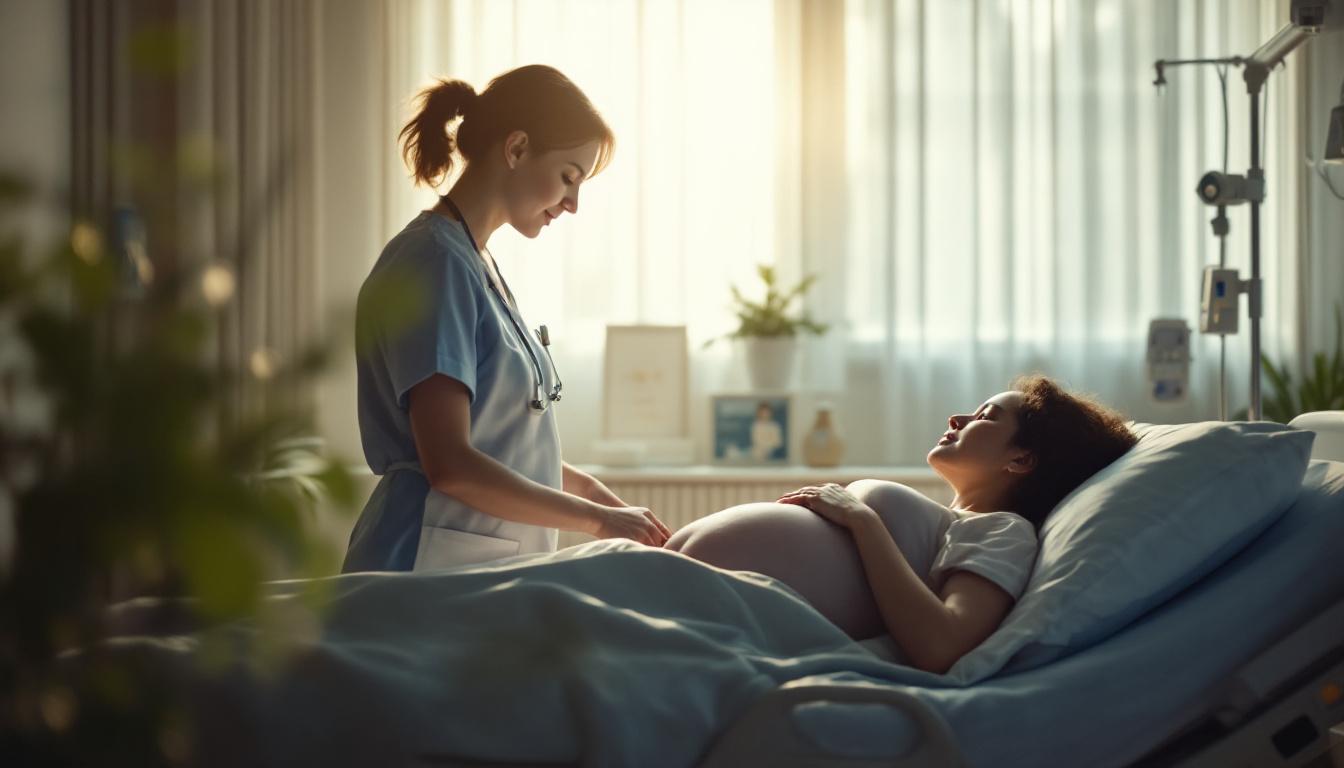
Severe perineal tears during childbirth remain one of the most feared complications, and yet they are still too often poorly anticipated. A recent Swedish study has introduced a new risk-prediction method based on the baby's birth weight and other clinical factors. As an osteopath working with pregnant women in Tel Aviv, this research speaks directly to what I see in my practice every day.
What the Study Found
According to the researchers, high birth weight is the leading risk factor for severe anal sphincter injuries in the birthing person.
Their new method combines several clinical data points to estimate individual risk before delivery. The goal is straightforward: help obstetric teams better prepare for birth, tailor their approach, and reduce the most serious injuries.
These tears, classified as third- and fourth-degree tears, involve the deep perineal muscles and sometimes the anal sphincter itself, potentially causing long-term functional consequences: incontinence, chronic pain, and sexual difficulties.
Why Perineal Preparation Matters
The perineum is a network of muscles and fascia that supports the pelvic organs and plays a central role in childbirth. The more supple, well-vascularised, and coordinated these tissues are, the better they withstand the intense stretching involved in the baby's passage.
Here's what we know influences perineal resilience:
- Tissue flexibility: restrictive fascia increases the risk of tearing
- Neuromuscular coordination: voluntarily releasing the muscles during pushing is a skill that can be learned
- Pelvic mobility: a free sacrum and coccyx allow the pelvis to open more effectively
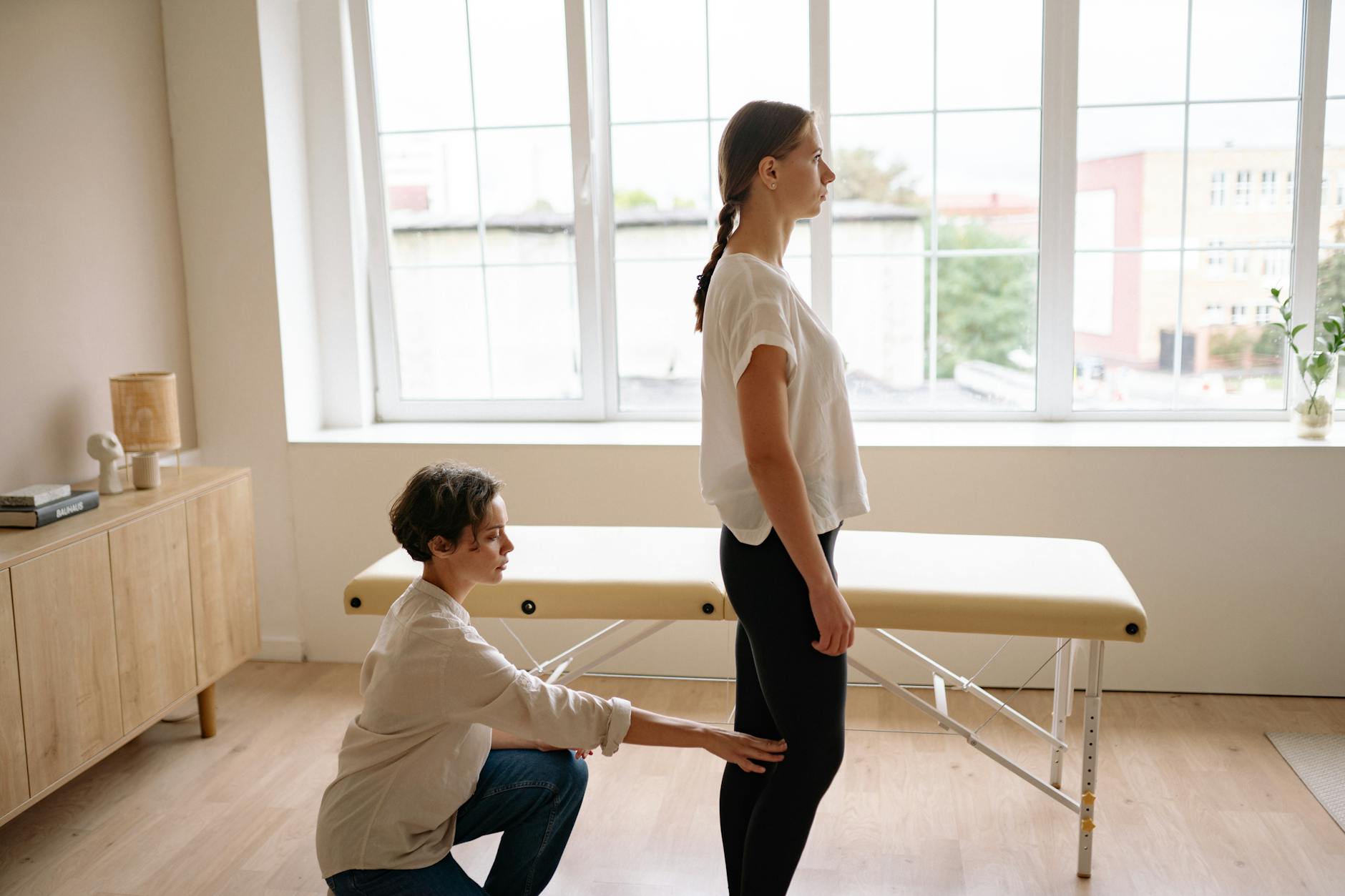
- Overall posture: postural compensations during pregnancy can create chronic pelvic tension
These are precisely the areas where osteopathy can make a meaningful difference before birth.
What Osteopathy Can Offer
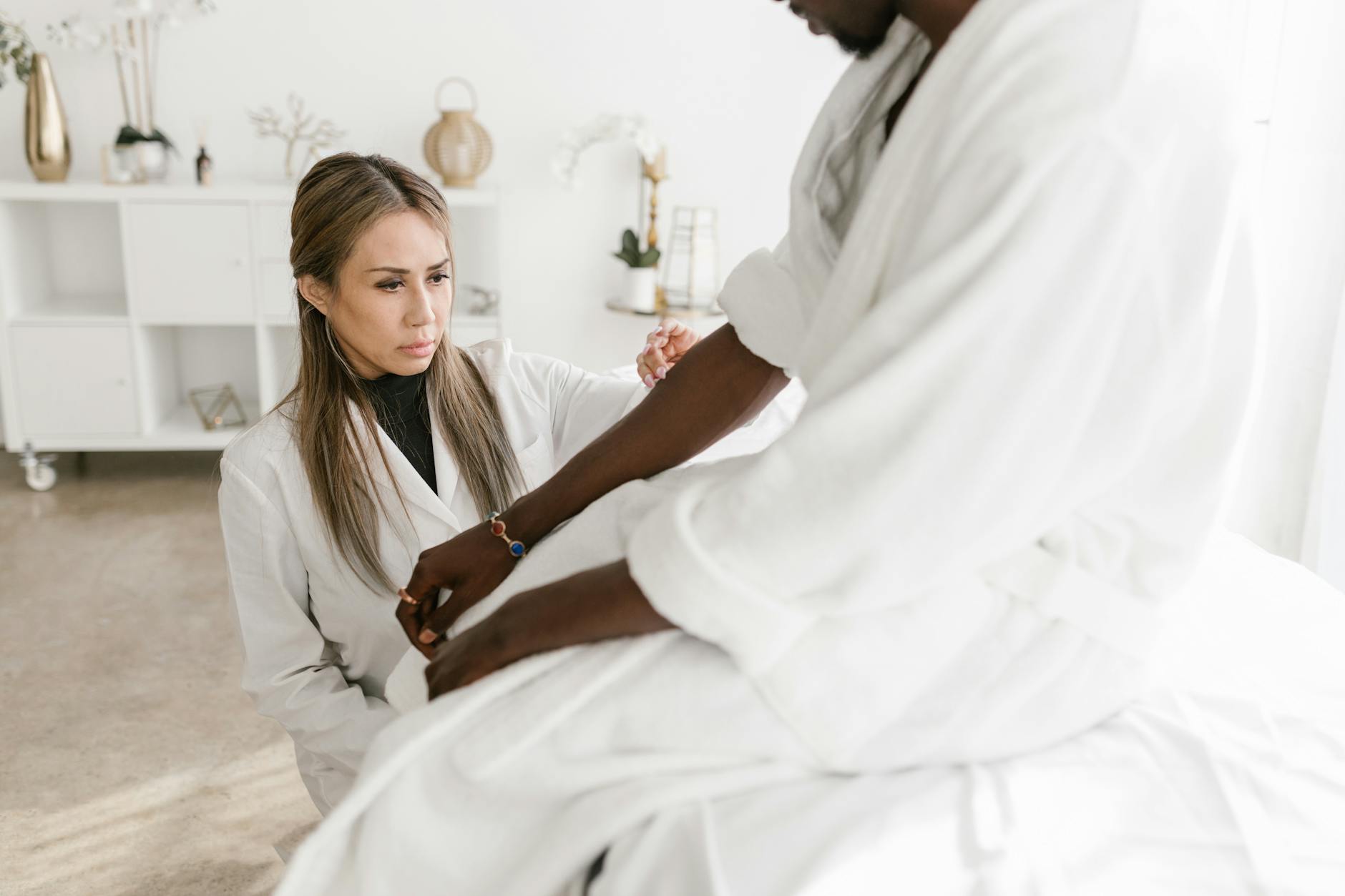
During pregnancy, especially in the third trimester, I regularly work with my patients on pelvis and perineum preparation.
In practice, this may include:
- Mobilising the sacrum and iliac bones: to release articular restrictions and maximise pelvic opening during labour
- Working on uterine ligaments: the round, broad, and uterosacral ligaments directly influence foetal positioning and the strain placed on the perineum
- Releasing deep pelvic fascia: using gentle techniques to improve tissue flexibility in high-risk areas
- Postural and breathing guidance: to maintain good thoraco-pelvic coordination and prepare for pushing efforts
This preparation doesn't replace obstetric care, it complements it.
Before and After: Osteopathy Supports the Full Journey
It's worth emphasising that preventing perineal complications doesn't stop at delivery. The postpartum period is equally critical.
After birth, the perineal tissues have undergone intense mechanical stress. Whether the delivery went smoothly or not, gentle osteopathic care can:
- Support recovery of the pelvic floor muscles and fascia
- Reduce pain related to scars (episiotomy, tears)
- Help restore functional pelvic balance
- Prepare the body for pelvic floor physiotherapy
I typically recommend a first postpartum session around 6 to 8 weeks after delivery, or sooner if significant tension is felt.
A Holistic Approach for a Calmer Birth
This study reinforces what I observe in my practice: identifying risks earlier means preparing better. And preparation involves the body, free tissues, a mobile pelvis, and a woman who arrives at labour in the best possible physical condition.
If you're pregnant and would like to prepare your pelvis for childbirth, or if you've recently given birth and are experiencing persistent tension, I invite you to book an appointment at my practice in Tel Aviv. Together, we'll tailor the care to your situation, trimester by trimester.